21 Small Home Decor Ideas to Maximize Every Corner
Small spaces can feel surprisingly spacious when every corner has a purpose.
The right details can completely change how your home looks and works.
These small home decor ideas are designed to help you make the most of limited space without making your rooms feel crowded. From floating shelves and hidden storage to flexible furniture and clever wall displays, each idea focuses on practical ways to improve both style and function. You do not need a major renovation or a huge budget to create a better layout. Sometimes, one thoughtfully chosen piece can solve an everyday problem. Often, the biggest difference comes from using overlooked areas that were previously doing nothing.
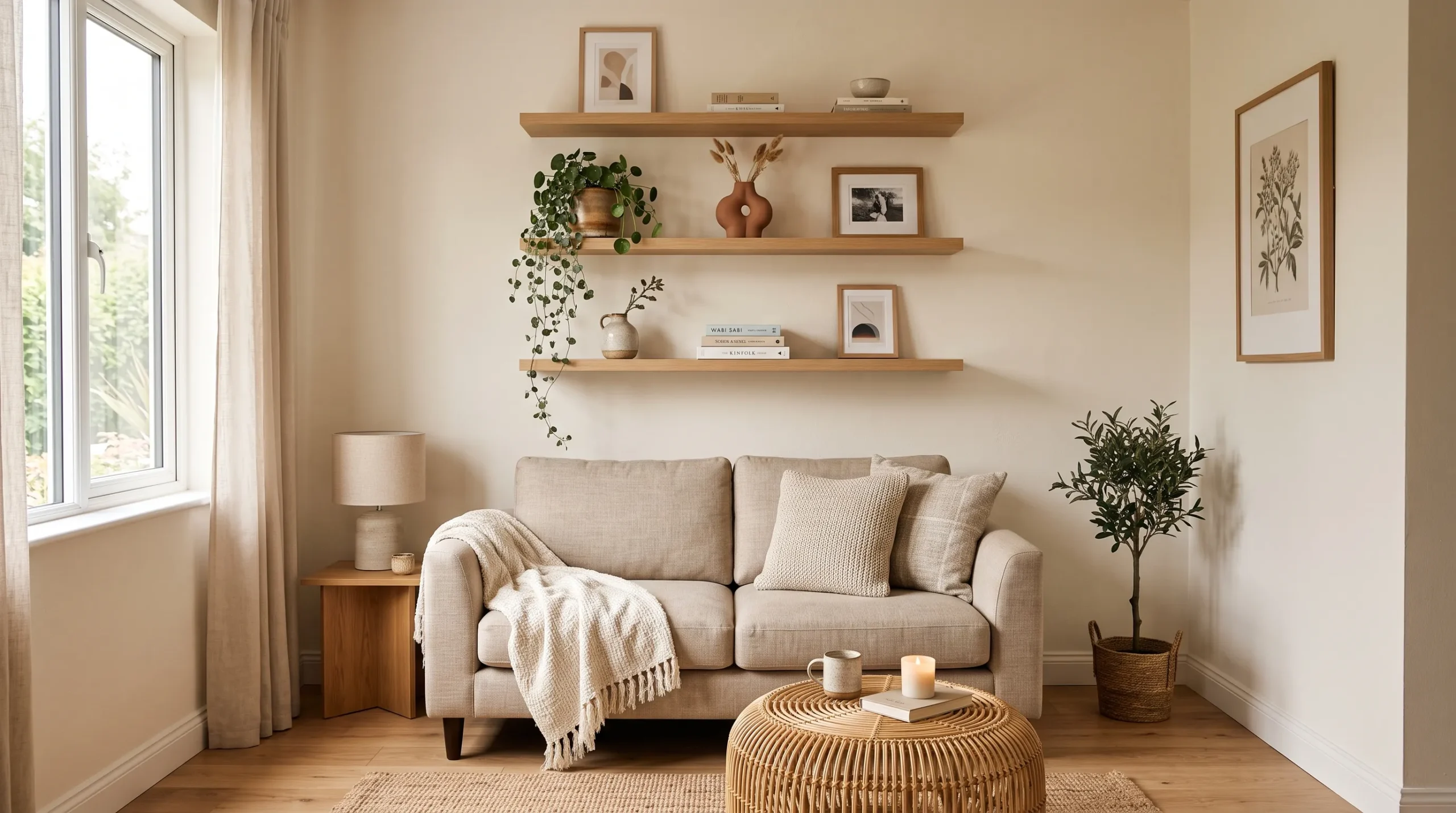
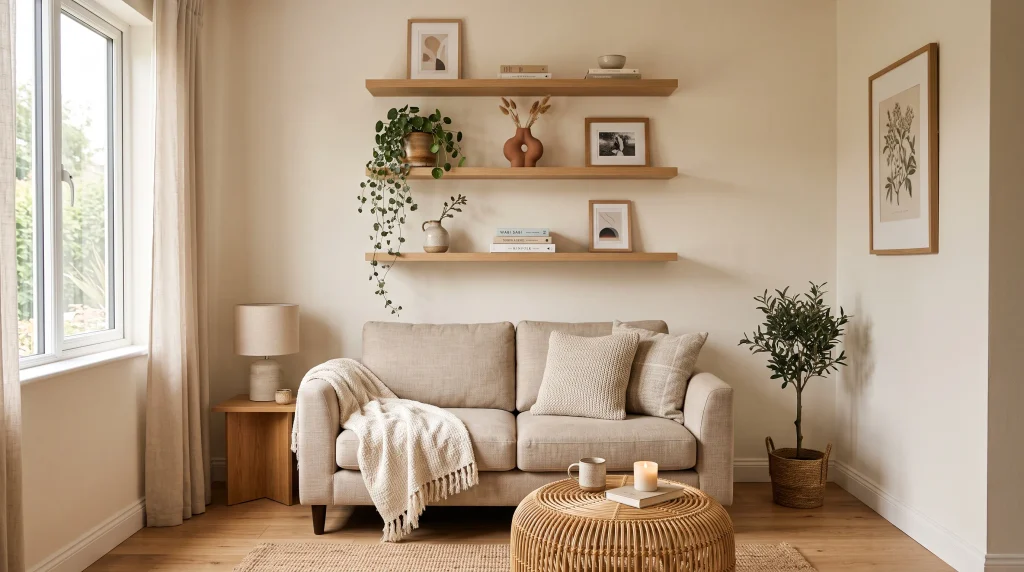
1. Floating Wall Shelves
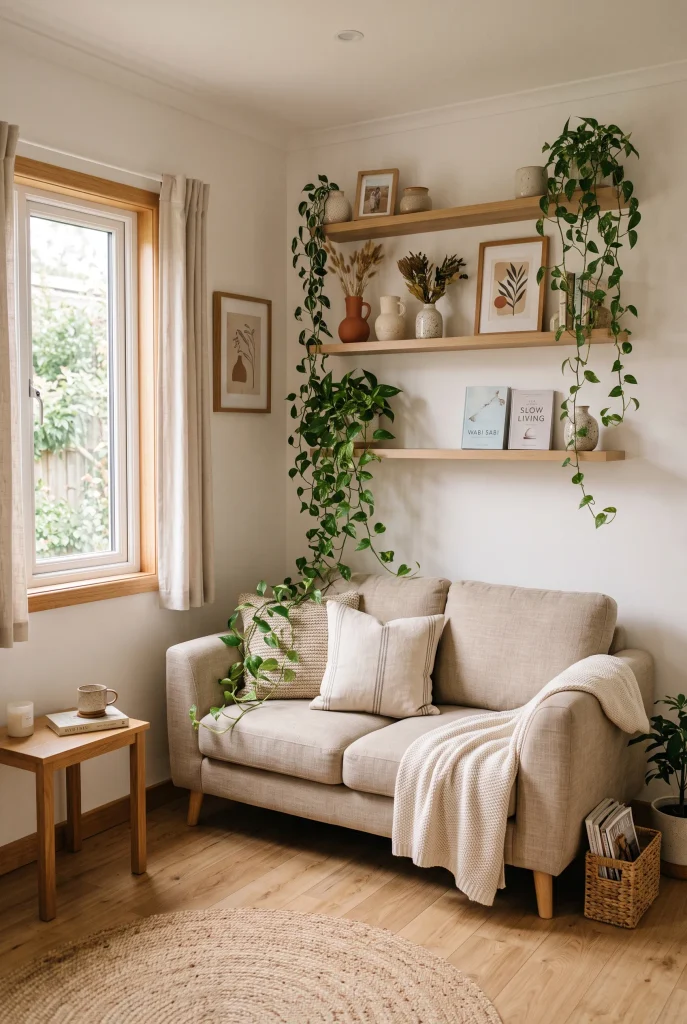
- Floating shelves use vertical wall space without taking up floor area.
- A few carefully chosen pieces create a finished look without visual clutter.
- Light wood shelves add warmth while keeping the room feeling open.
- They work especially well above sofas, desks, or narrow console areas.
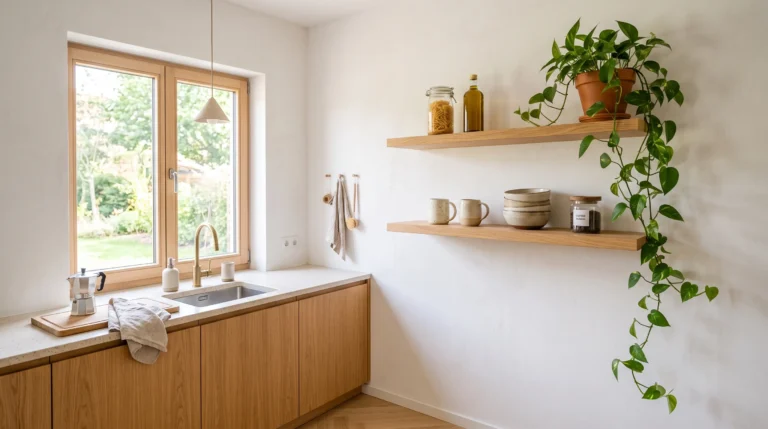
Floating shelves can turn an empty wall into useful display space without making a small room feel crowded. Choose two or three slim shelves in a light wood or soft neutral finish, then arrange decor with plenty of breathing room. Small framed prints, ceramics, books, and trailing plants can add personality without overwhelming the wall. The key is keeping the arrangement visually light. In smaller homes, vertical storage helps move attention upward while leaving valuable floor space completely clear. This simple change can make an overlooked wall feel intentional, useful, and beautifully styled.
For the best result, avoid filling every inch of the shelves. Leave small gaps between objects and vary their heights to create a relaxed arrangement. If the room has limited natural light, choose pale finishes that reflect brightness rather than heavy dark shelving. These small home decor ideas work particularly well in apartments, studio spaces, and compact living rooms where every available surface needs to serve a purpose without sacrificing style.
2. Slim Entryway Console
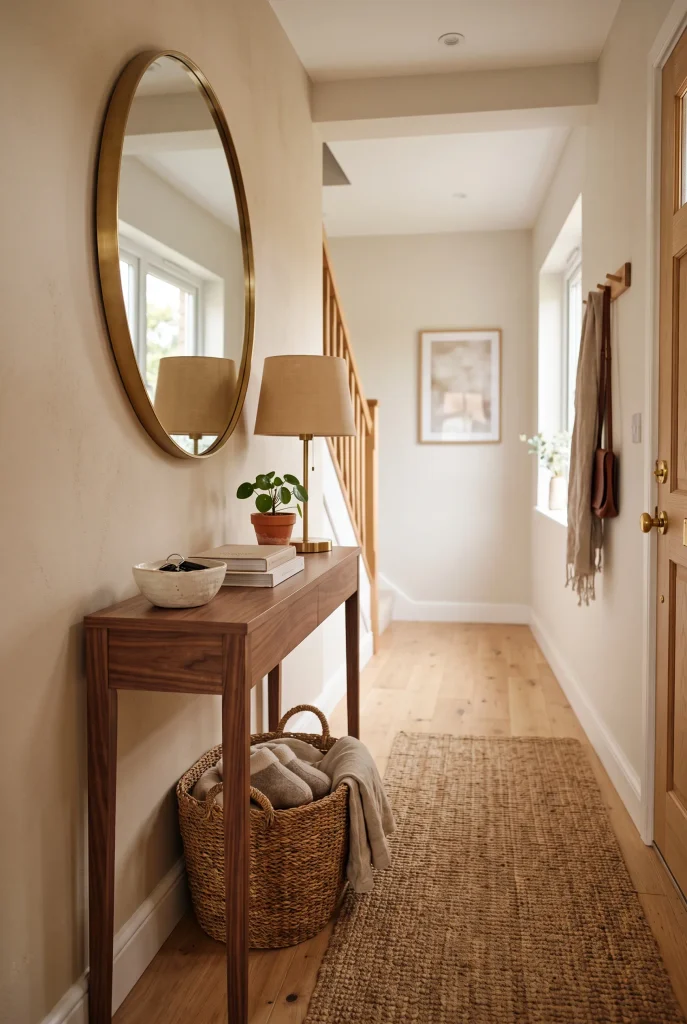
- A narrow console creates useful landing space without blocking a walkway.
- Use the surface for keys, a small lamp, or one decorative accent.
- A mirror above it can make the entryway appear wider and brighter.
- Baskets underneath provide discreet storage for everyday essentials.
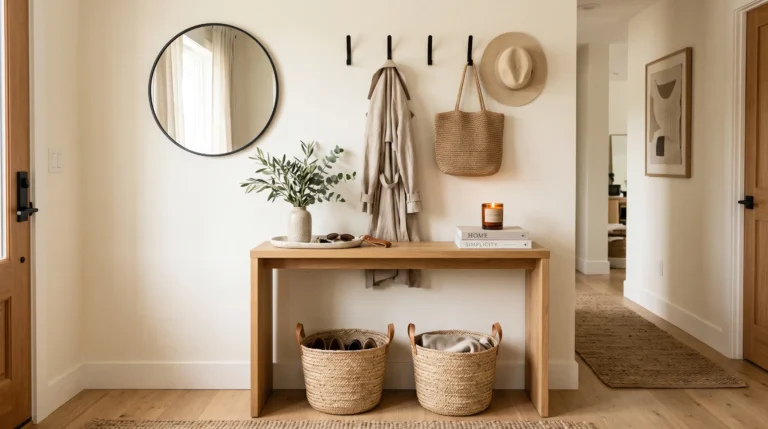
A slim console can make even the smallest entryway feel organized and welcoming. Look for a narrow design that sits comfortably against the wall while leaving enough clearance for people to walk past easily. The surface can hold a small tray for keys, a compact lamp, or one simple decorative object. Adding a round mirror above the console creates a practical spot for a final glance before leaving home. It also reflects light and gives the narrow area more visual depth, making the entire entrance feel less cramped and more thoughtfully designed.
Keep the styling simple because small entryways can quickly become crowded with accessories. One basket underneath the console can hide shoes, umbrellas, or reusable bags while keeping the floor visually tidy. Choose materials that connect with nearby rooms, such as walnut, oak, brass, linen, or woven fibers, so the area feels connected rather than separate. A slim console is especially helpful when there is no room for bulky storage furniture. It gives you a defined place for everyday items while adding a polished decorative moment to an otherwise overlooked corner of the home.
3. Corner Reading Nook
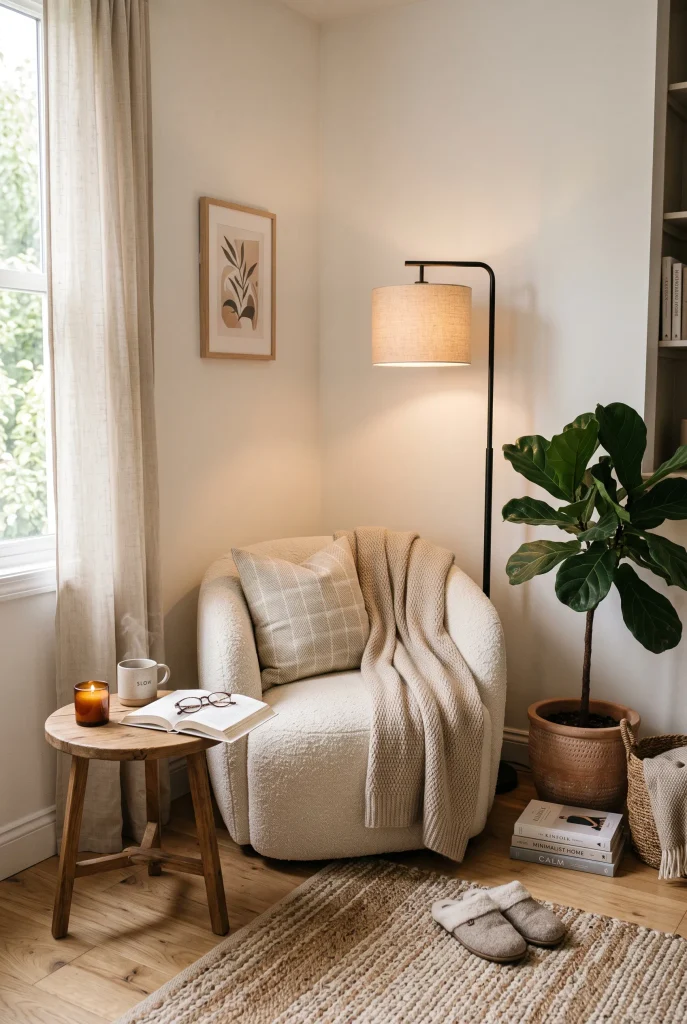
- An unused corner can become a comfortable retreat with just a few pieces.
- Choose one compact chair instead of bulky seating.
- A small side table keeps books, drinks, and accessories within reach.
- Soft textiles and greenery make the corner feel warmer and more inviting.
An empty corner does not need to remain unused just because the room is small. A compact reading nook can give that awkward space a clear purpose while adding comfort and personality. Start with a slim armchair or small lounge chair, then add a narrow side table and a floor lamp. Keeping the furniture close to the wall preserves walking space around it. A soft throw or small cushion introduces texture without taking up additional room. This arrangement creates a dedicated place to read, relax, or enjoy a quiet morning without requiring a separate room.
Placement makes a major difference in a compact nook. Position the chair where it receives natural light during the day, then use a warm floor lamp for evening comfort. A small plant beside the chair can soften hard corners and bring a fresh organic element into the room. Avoid oversized furniture that extends too far into the main living area. The goal is to make the corner feel complete but visually light. With thoughtful proportions, even an overlooked gap can become one of the most useful and attractive spots in the home.
4. Under-Bed Storage
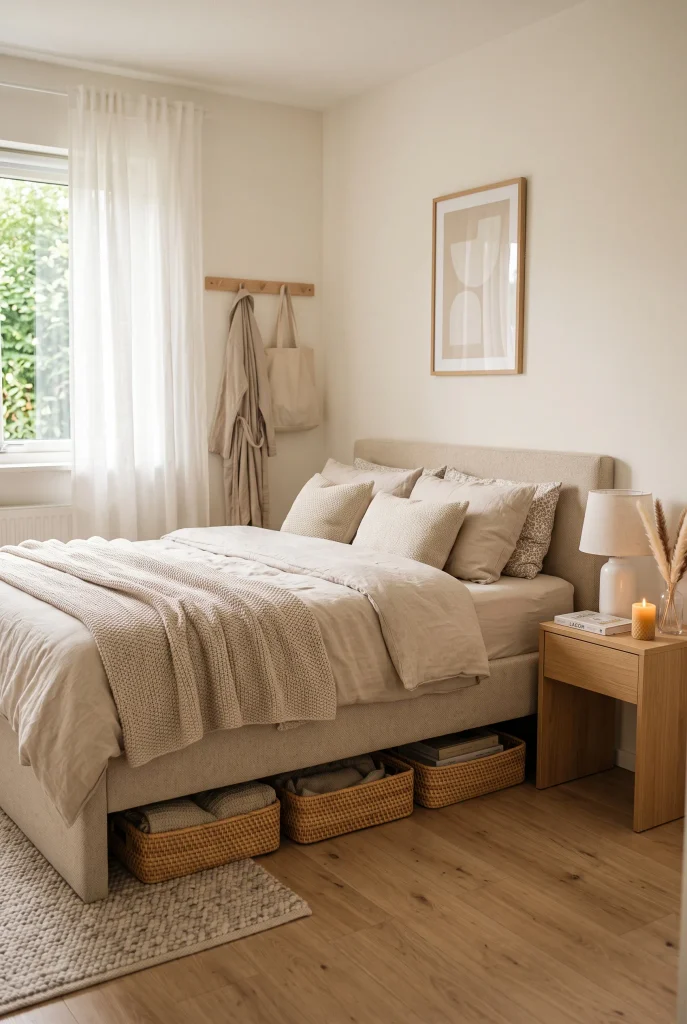
- The space beneath the bed becomes valuable hidden storage.
- Low baskets keep seasonal clothing, bedding, or shoes organized.
- Neutral containers blend into the room instead of creating visual clutter.
- Keeping storage hidden helps the bedroom feel calmer and more spacious.
The area beneath your bed is often one of the easiest places to add storage without giving up valuable floor space. Low-profile baskets, fabric boxes, or built-in drawers can hold extra bedding, shoes, seasonal clothing, and other items you do not need every day. Choose containers that slide easily underneath and match the room’s overall palette. This keeps practical belongings nearby while maintaining a clean appearance. For bedrooms with limited closets, using this overlooked area can make daily organization much easier without adding another bulky cabinet or storage unit.
Before choosing containers, measure the available height and depth beneath the bed so everything fits comfortably. Lidded boxes are useful for items that need protection from dust, while woven baskets work well for frequently accessed belongings. Keep heavier items toward the center and avoid overfilling containers, which can make them difficult to pull out. Hidden storage works best when each container has a clear purpose. Once everything has a designated place, the bedroom feels less cluttered, and the open floor around the bed becomes much easier to maintain.
5. Mirror Gallery Wall
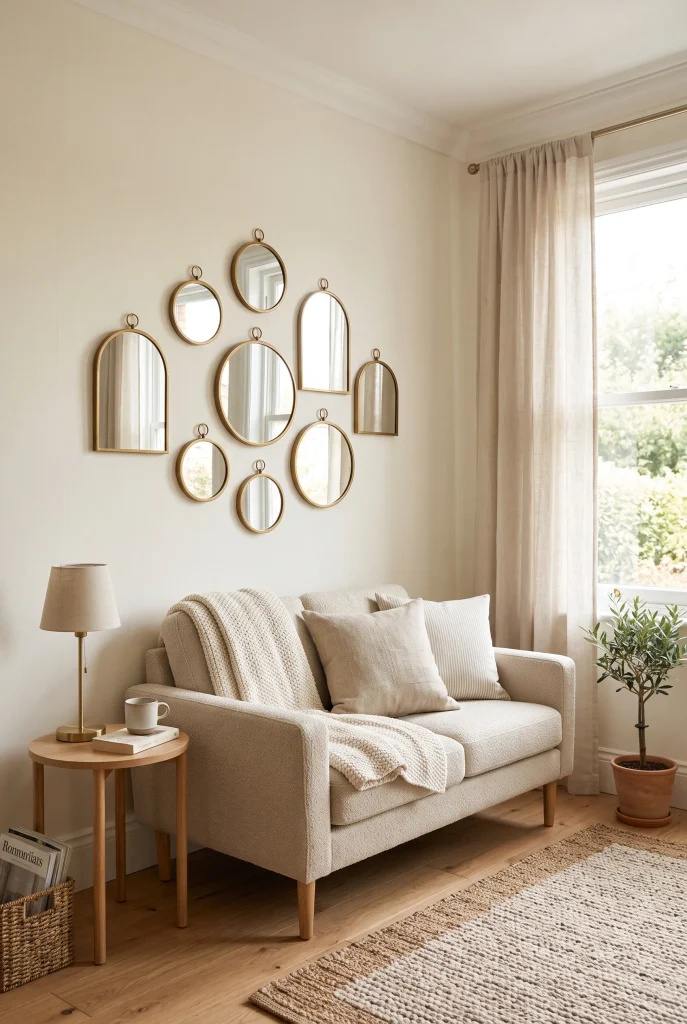
- Multiple mirrors create the feeling of greater visual depth.
- Different shapes add interest without requiring bulky wall decor.
- Positioning mirrors opposite windows helps bounce natural light around.
- A restrained arrangement keeps the display sophisticated rather than busy.
A mirror gallery can make a compact room feel brighter while turning an otherwise plain wall into a decorative feature. Instead of using one oversized mirror, arrange several smaller mirrors in complementary shapes and finishes. Round, arched, and softly irregular frames can create movement without making the wall feel heavy. Keep the overall palette coordinated with the furniture, using finishes such as brass, natural wood, or simple black. This approach adds personality while helping reflect light, which can make a narrow living area appear more open and visually layered.
Plan the arrangement on the floor before putting anything on the wall. Start with the largest mirror and build outward, leaving consistent but relaxed spacing between each piece. Consider what each mirror will reflect, because an attractive view, window, or light source will make the display more effective. Avoid positioning every mirror at exactly the same height, as slight variation can create a more collected appearance. Among practical small home decor ideas, this one is especially useful when you want stronger visual impact without adding furniture or taking away precious floor space.
6. Narrow Plant Stand
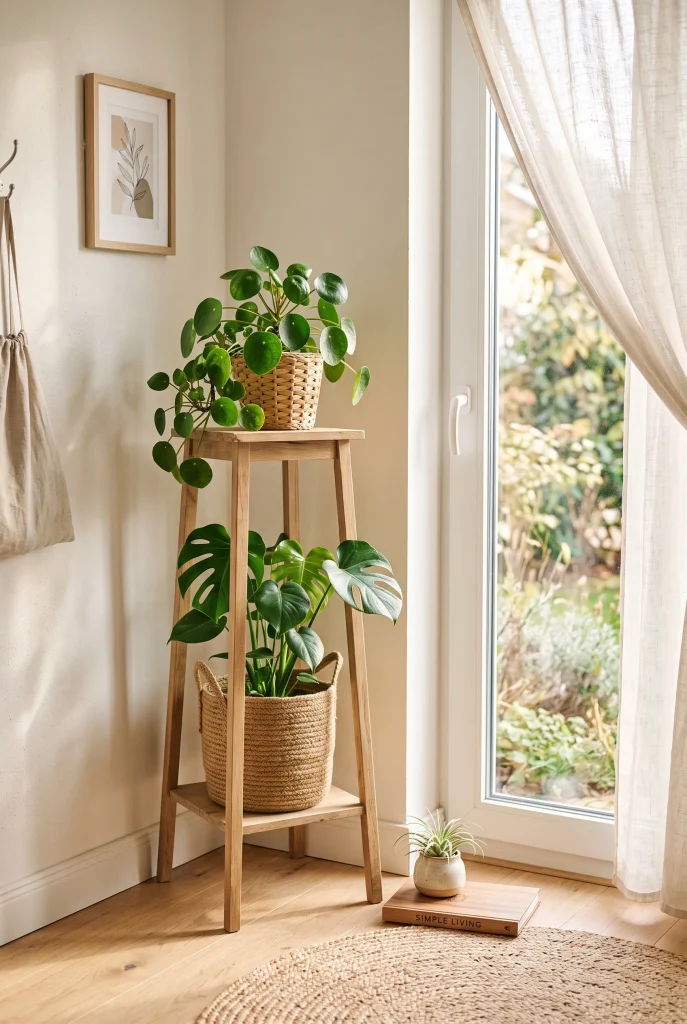
- A slim plant stand fills an awkward corner without crowding the room.
- Different plant heights create a stronger vertical focal point.
- Natural greenery softens plain walls and hard furniture edges.
- Choose narrow-legged designs when floor space is especially limited.
A narrow plant stand can give an empty corner purpose while bringing natural texture into a compact room. Choose a tall, slim design rather than a wide planter shelf so the footprint stays minimal. One or two plants at different heights can create a vertical display that draws the eye upward. Place the stand near a window when the plants require bright light, but check each plant’s individual needs before deciding on its position. The combination of greenery, wood, and open floor space can make a small room feel fresher without introducing another large decorative piece.
Think about the plant stand as part of the room’s overall composition rather than treating it as an isolated accessory. A woven basket planter can add softness, while a simple ceramic pot gives the display a cleaner contemporary look. Leave some empty space around the stand so the greenery remains the focal point. If you have pets or children, choose stable furniture and plants appropriate for your household. A thoughtfully positioned plant stand is a simple way to decorate upward, soften an unused corner, and make the room feel more finished without sacrificing useful floor area.
View: 24 Maximalist Kitchen Ideas You’ll Love to Copy Today
7. Wall-Mounted Desk
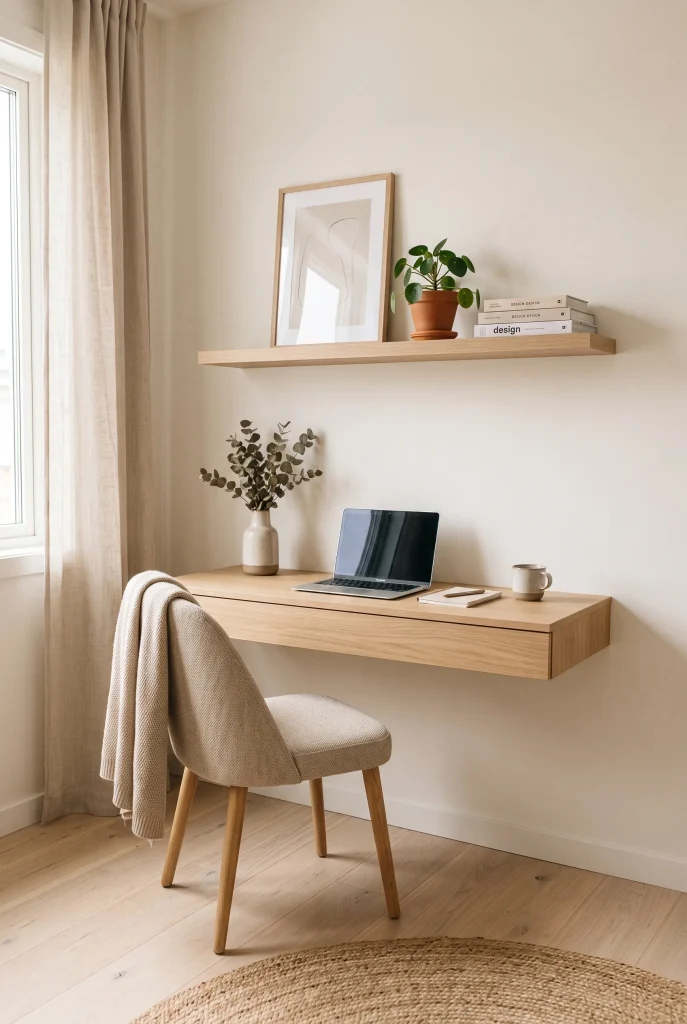
- A wall-mounted desk creates a work zone without bulky furniture.
- Open floor beneath it makes the room feel lighter.
- Floating shelves provide extra space for books and small supplies.
- A compact chair can be tucked away when the desk is not in use.
A wall-mounted desk is a smart solution when you need a workspace but cannot spare room for a traditional desk. Because the surface attaches directly to the wall, the floor underneath remains open and visually uncluttered. Choose a slim wood surface with enough depth for your laptop and everyday essentials. A small chair can slide underneath when you are finished working. This setup works particularly well in bedrooms, hallways, living rooms, or unused wall sections where a full-size office would feel overwhelming.
Keep the wall above the desk useful with one floating shelf or a compact pegboard for lightweight supplies. Cable management is also important because visible cords can quickly make a small workstation look messy. Use clips or a discreet cable box to keep everything controlled. Choose a chair with a smaller footprint and avoid adding unnecessary accessories to the desktop. The most successful compact work areas have a simple visual structure: one functional surface, limited storage, and enough empty space around them to prevent the corner from feeling crowded.
8. Vertical Book Display
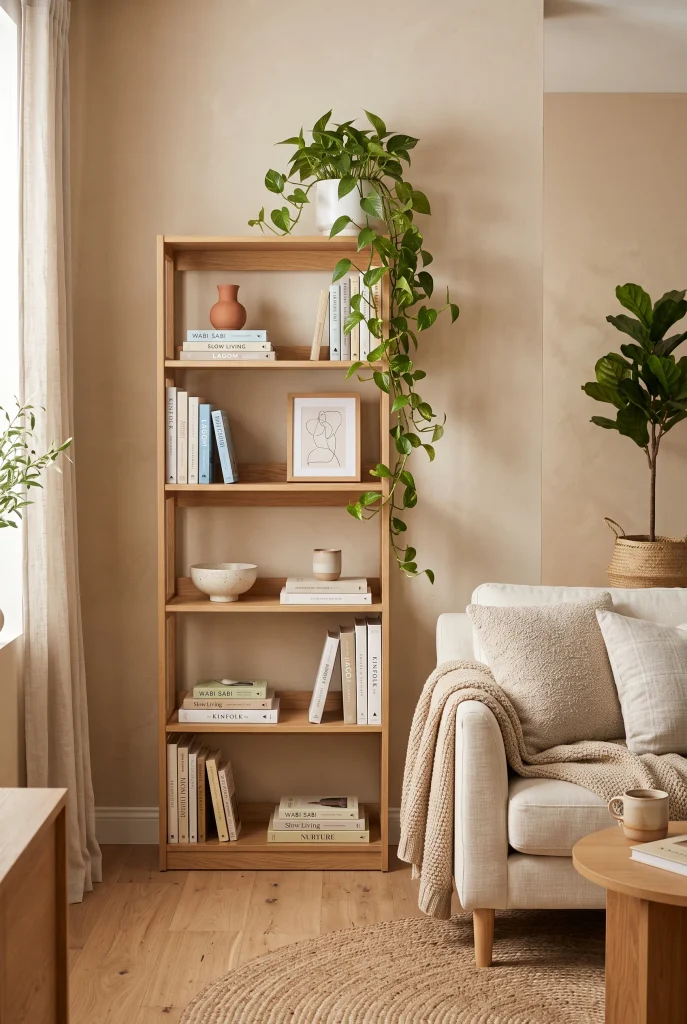
- Tall shelving uses vertical space while preserving valuable floor area.
- Books can become part of the room’s decorative styling.
- Alternating books with small objects creates a lighter visual rhythm.
- A narrow profile works well beside sofas, desks, or doorways.
When floor space is limited, think upward instead of outward. A tall, narrow bookshelf can hold a surprising number of books while taking up only a small section of the floor. Choose an open design with slim shelves so the wall remains visible behind your collection. Arrange books both vertically and horizontally to create visual variety, then add a few small ceramics or framed pieces between groups. This turns practical storage into attractive decor and gives the room personality without requiring a large cabinet or bulky entertainment unit.
Avoid packing every shelf from edge to edge because dense rows can make a compact room feel visually heavier. Leave occasional gaps and use those spaces for small plants, baskets, or decorative objects. Keep frequently used books at comfortable heights and place heavier items on lower shelves for stability. If you have a narrow unused wall beside a doorway or sofa, a vertical book display can make that difficult area functional. It is one of those simple small home decor ideas that combines organization, personality, and efficient use of limited space.
9. Over-Door Storage
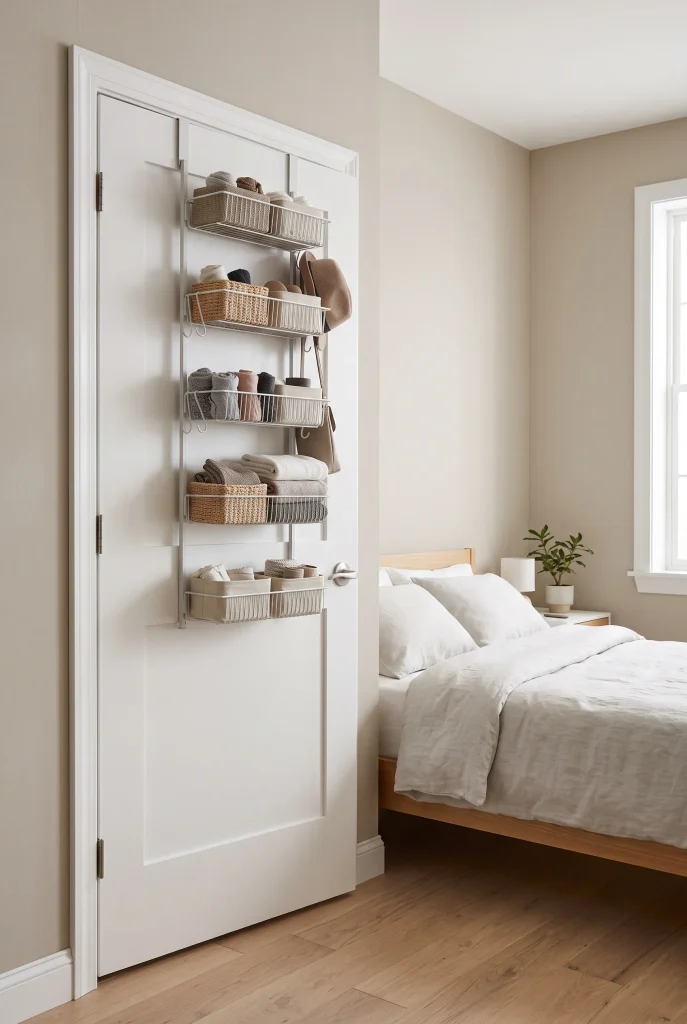
- The space above a door can provide hidden storage without using floor space.
- Slim organizers work well for lightweight everyday items.
- Matching baskets keep practical belongings visually tidy.
- This solution is especially useful when closets and cabinets are limited.
The unused area above a door can become surprisingly valuable storage in a compact home. An over-door rack or shallow shelf can hold lightweight items such as scarves, accessories, small baskets, cleaning supplies, or extra linens. Because the storage sits above eye level, it does not compete heavily with the room’s main furniture. Choose a slim design that leaves the door fully functional and does not interfere with nearby walls or trim. This is particularly useful in bedrooms, bathrooms, laundry areas, and small entryways where every available surface matters.
Keep the items stored above the door organized and relatively lightweight so the arrangement remains practical. Matching fabric bins or neutral baskets can conceal smaller belongings and create a cleaner appearance. Measure the door clearance carefully before installing anything, especially if the door needs to open fully. Avoid placing frequently used heavy objects overhead because they can be awkward to reach. Used thoughtfully, this overlooked space can remove clutter from countertops and drawers while preserving the open floor area that makes a small room feel comfortable and easy to move through.
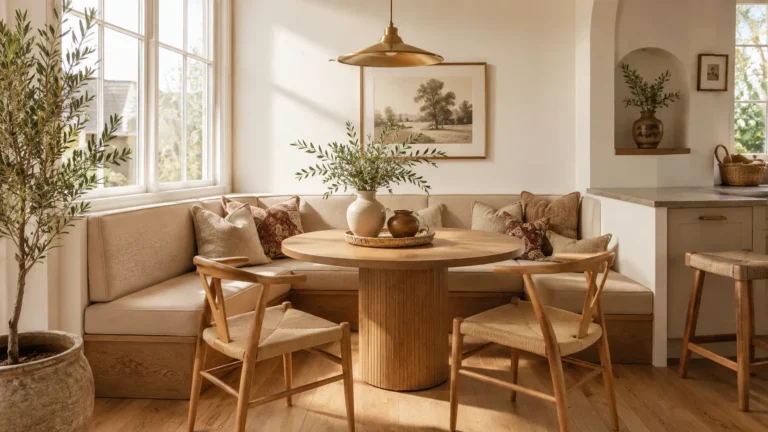
10. Built-In Window Seat
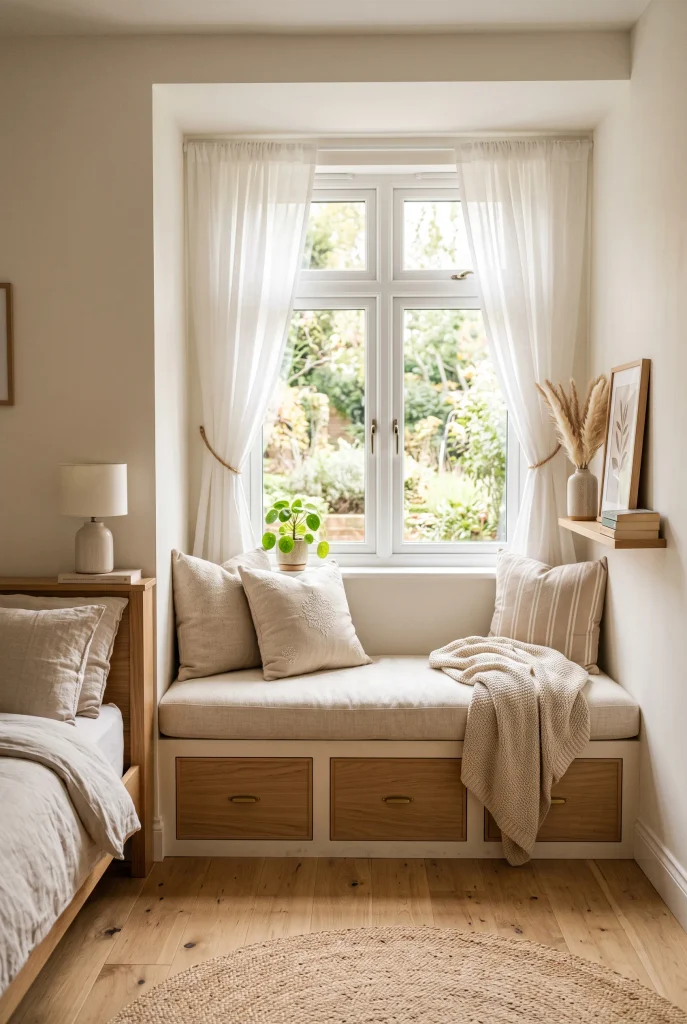
- A window seat turns an awkward alcove into useful seating.
- Drawers underneath can hide blankets, books, or seasonal belongings.
- Cushions add comfort without taking up additional floor space.
- The arrangement creates a cozy focal point while keeping the room open.
A window alcove can become one of the most useful areas in a compact home with a simple built-in seat. Instead of leaving the space empty, add a slim upholstered bench that fits the exact width of the window. Drawers underneath provide concealed storage for blankets, books, or seasonal accessories. Keep the upholstery in a light neutral shade to maintain an airy appearance. The result is both functional and inviting, giving you a comfortable place to sit while making an awkward architectural feature feel deliberately designed rather than difficult to decorate.
For a polished finish, layer two or three cushions in complementary textures instead of using too many decorative pieces. Sheer curtains can soften the window while allowing plenty of daylight into the room. If the bench is near a radiator, check the required clearance before installing built-in cabinetry. A custom design is ideal, but a freestanding storage bench can create a similar effect when a permanent renovation is not practical. This setup works especially well in bedrooms, living rooms, and narrow corners where seating and storage need to share the same footprint.
11. Layered Wall Art
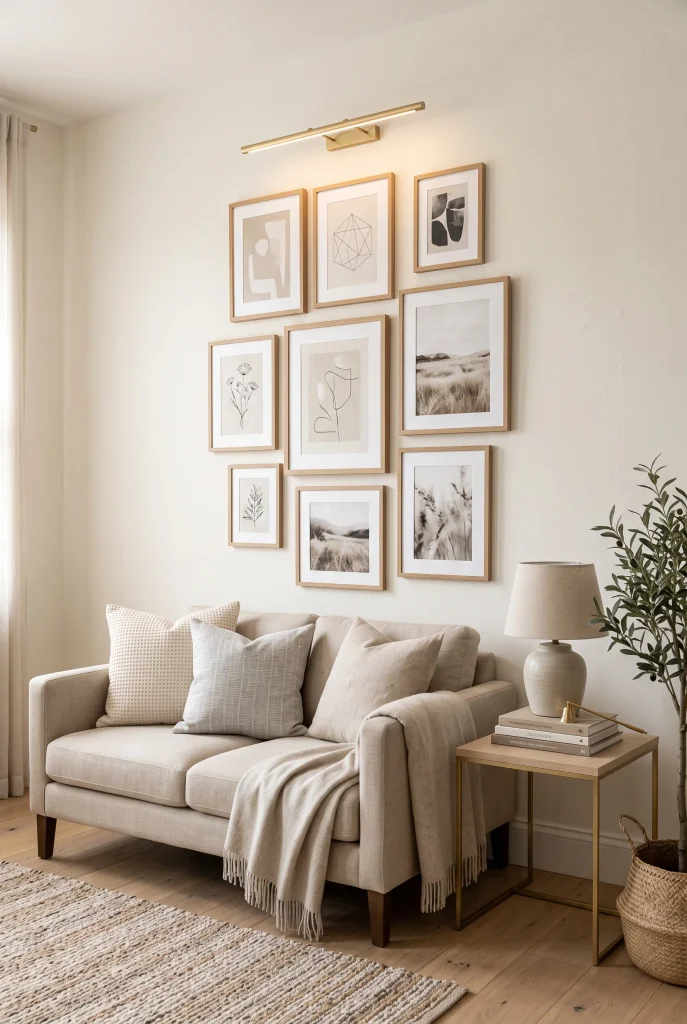
- Layered artwork adds personality without using valuable floor space.
- Vertical arrangements help draw attention upward.
- Similar frame tones create cohesion while allowing different artwork styles.
- Smaller prints are easier to rearrange as your decor changes.
Empty walls offer plenty of decorating potential when floor space is limited. A layered arrangement of framed artwork can create a strong focal point without introducing furniture or accessories that take up room. Mix small prints, photographs, and simple illustrations while keeping the frame finishes coordinated. Arrange the pieces vertically or in a compact grid to make the wall feel taller and more structured. This approach works particularly well above sofas, desks, beds, and narrow consoles where a large decorative object might feel disproportionate.
Start with your largest frame and build the arrangement around it, leaving consistent spacing between pieces. Before hanging anything, lay the artwork on the floor and photograph the arrangement so you can adjust the composition easily. Keep the visual palette connected to the room through neutral, earthy, or muted tones. Too many unrelated colors can make a small space feel busier than necessary. Simple artwork groupings can make compact rooms feel much more finished because they add character at eye level while leaving every inch of floor space available.
12. Fold-Down Dining Table
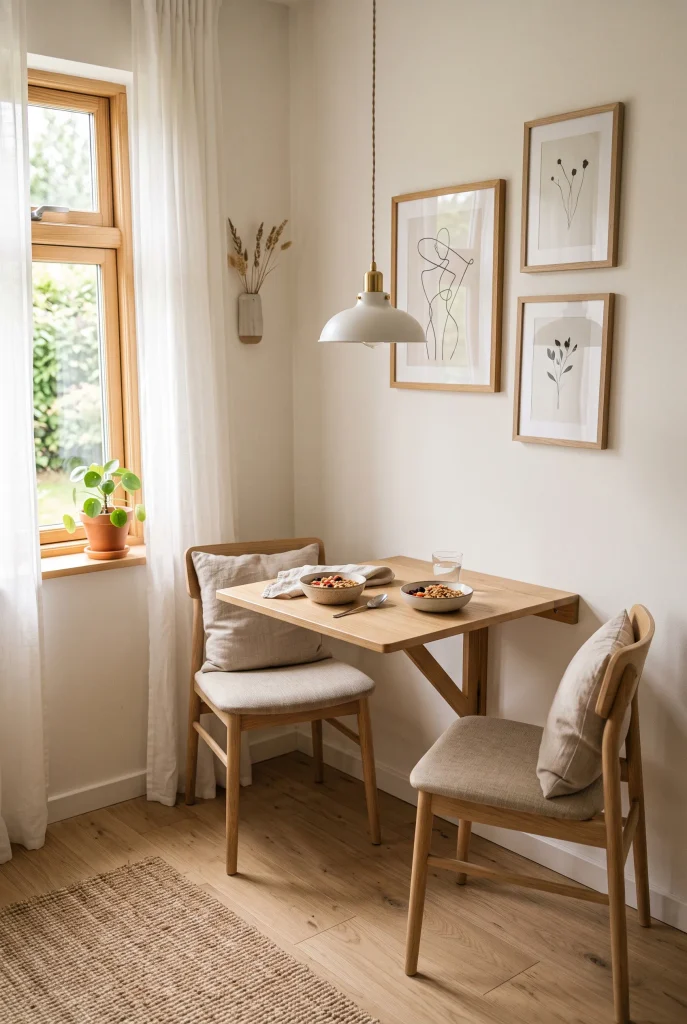
- A fold-down table creates dining space only when you actually need it.
- The wall-mounted design keeps the floor open when folded away.
- Pair it with lightweight chairs that can be moved easily.
- A small pendant or wall light can visually define the dining zone.
A fold-down dining table can completely change how a tiny dining area functions. When you need a meal or workspace, the surface opens into a practical table, then folds flat against the wall afterward. This keeps valuable floor space available for walking and everyday activities. Choose a simple wood finish that complements your existing furniture and pair it with two slim chairs. In apartments or studio homes, this flexible arrangement can provide a dedicated dining spot without requiring a permanent full-size table.
Think carefully about the table’s opening clearance before installation. Make sure chairs can be positioned comfortably without blocking doors, walkways, or nearby furniture. A wall-mounted light above the table can make the area feel like a defined dining zone without requiring a bulky floor lamp. Keep the wall decor nearby minimal so the folding surface remains the visual focus. This type of flexible furniture is especially useful when one room needs to serve several purposes throughout the day, helping you gain functionality without making the overall layout feel crowded.
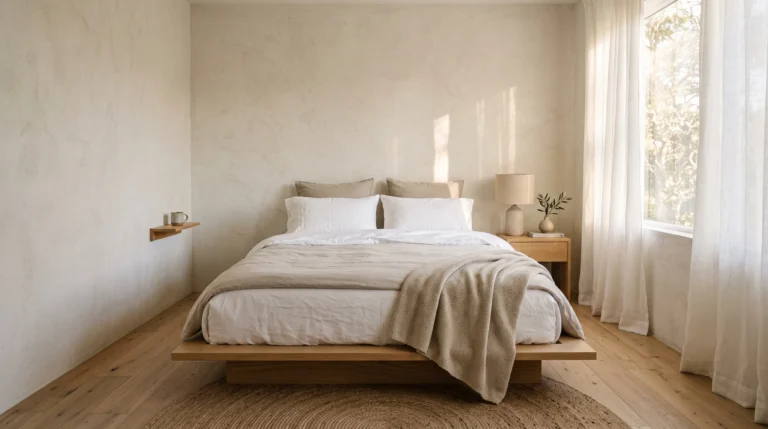
13. Floating Bedside Shelf
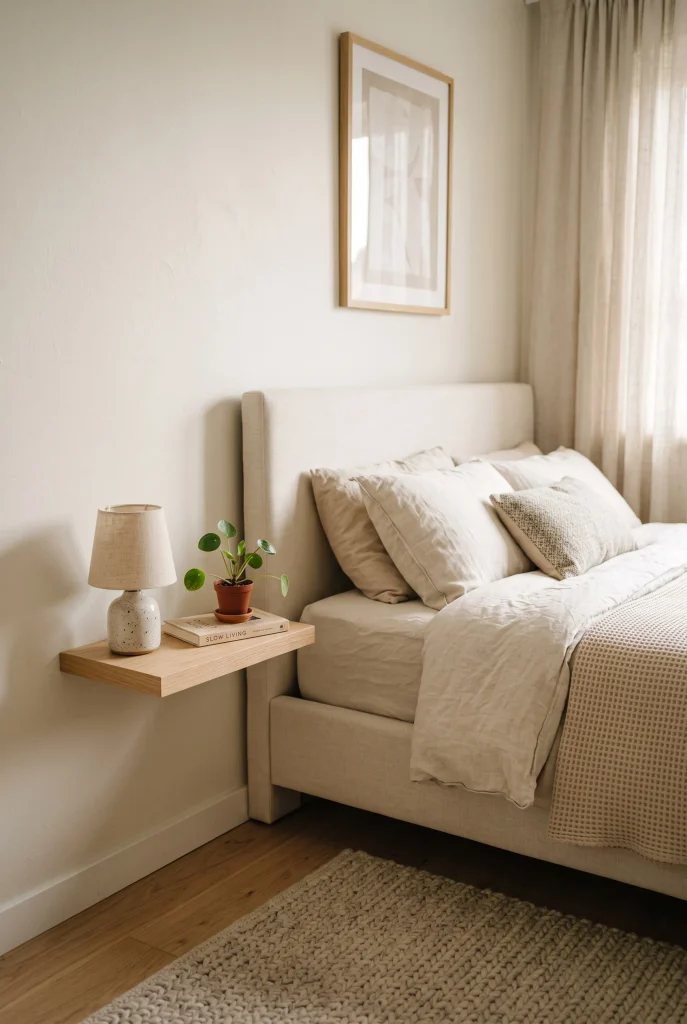
- A floating shelf replaces a bulky bedside table.
- Wall-mounted storage keeps the floor completely open underneath.
- A small lamp and book provide everything needed beside the bed.
- Matching wood tones create a cohesive and calming bedroom look.
A floating bedside shelf gives you the function of a nightstand without taking up valuable floor space. Mount a slim wooden shelf beside the bed at a comfortable height, leaving enough room for a small lamp, phone, book, or glass of water. Because the shelf attaches directly to the wall, you can keep the area underneath completely clear. This makes cleaning easier and helps a compact bedroom feel less crowded. Choose a finish that matches the bed frame or flooring for a subtle, coordinated appearance.
Keep the shelf intentionally simple because bedside surfaces can become cluttered quickly. One compact lamp, a small dish, and your current book are usually enough for both function and style. If you need additional storage, install a second narrow shelf above it rather than choosing a deeper cabinet. Make sure the mounting hardware is appropriate for your wall type and the shelf is securely installed. This setup is especially useful in narrow bedrooms where traditional nightstands leave too little walking space beside the bed.
14. Corner Storage Cabinet
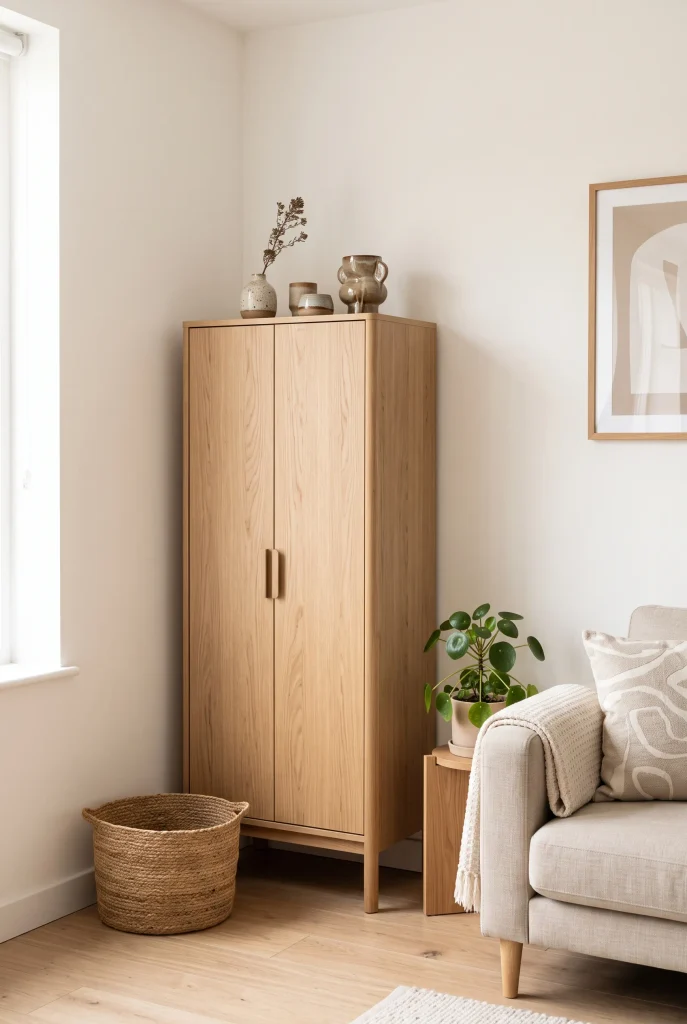
- An unused corner can provide valuable concealed storage.
- Tall cabinets make better use of vertical space than wide furniture.
- Closed doors keep everyday clutter out of sight.
- A simple wood finish adds warmth without overpowering a compact room.
An awkward corner can become valuable storage when you choose a cabinet with the right proportions. Instead of a wide unit that extends into the room, look for a tall and narrow cabinet that uses vertical wall space. Closed doors are especially useful because they hide paperwork, electronics, household supplies, or other items that can make a small room look untidy. A light wood or soft neutral finish keeps the cabinet visually calm. Place it where an empty corner would otherwise serve little practical purpose.
Measure the corner carefully before buying or installing anything, paying attention to baseboards, door swings, and nearby furniture. A cabinet that fits tightly into the available area will look more intentional than one that leaves awkward gaps. Use the upper shelves for items you rarely need and keep everyday belongings within easy reach. Concealed storage is particularly effective in small homes because it reduces visual noise without requiring you to constantly rearrange decorative surfaces. The room feels calmer while still having plenty of practical storage.
15. Hanging Basket Storage
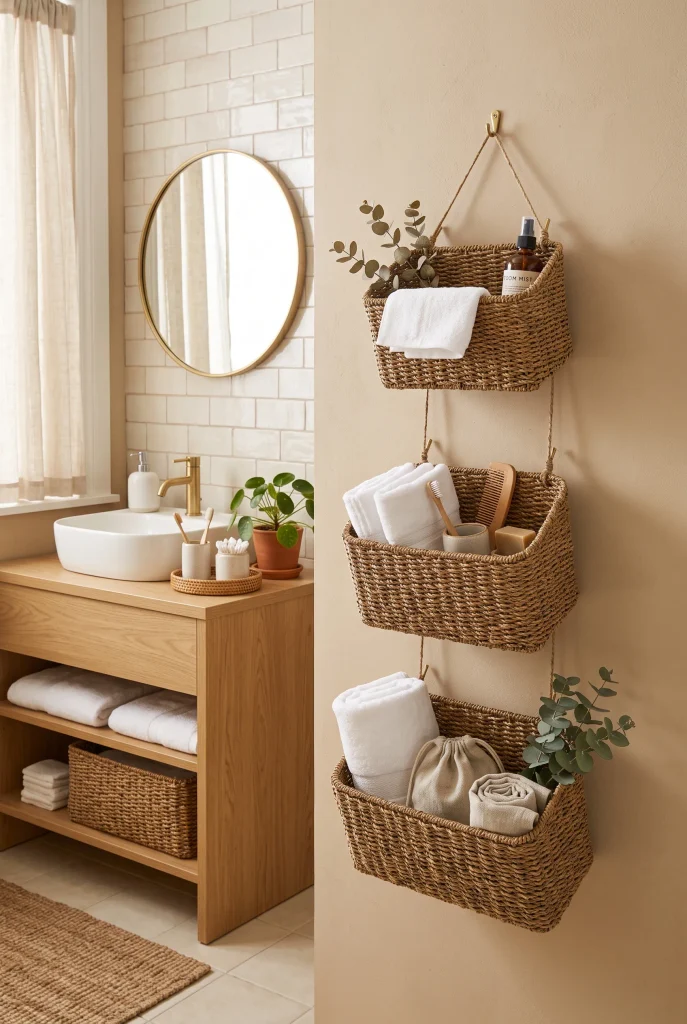
- Hanging baskets use wall space instead of valuable counters or floor areas.
- They can organize towels, toiletries, accessories, or small household items.
- Natural woven textures add warmth to plain walls.
- Vertical placement keeps frequently used belongings easy to reach.
Hanging baskets offer an easy way to turn an empty wall into practical storage without adding another piece of furniture. Mount two or three baskets vertically and use each one for a specific category, such as towels, toiletries, accessories, or small household supplies. Woven materials add texture and warmth, while neutral colors blend naturally with most interiors. This approach works particularly well in compact bathrooms, bedrooms, entryways, and laundry areas where drawers and cabinets may already be full.
Keep the baskets shallow enough that they do not project too far into the walkway. Arrange them vertically rather than spreading them across the wall to emphasize height and conserve horizontal space. Choose sturdy mounting hardware suited to the wall and the weight of the items you plan to store. Avoid overloading the baskets because excessive weight can affect both their shape and the mounting points. With thoughtful placement, this storage solution can clear crowded surfaces while adding an attractive layer of natural texture to an otherwise overlooked wall.
16. Wall-Mounted Lighting
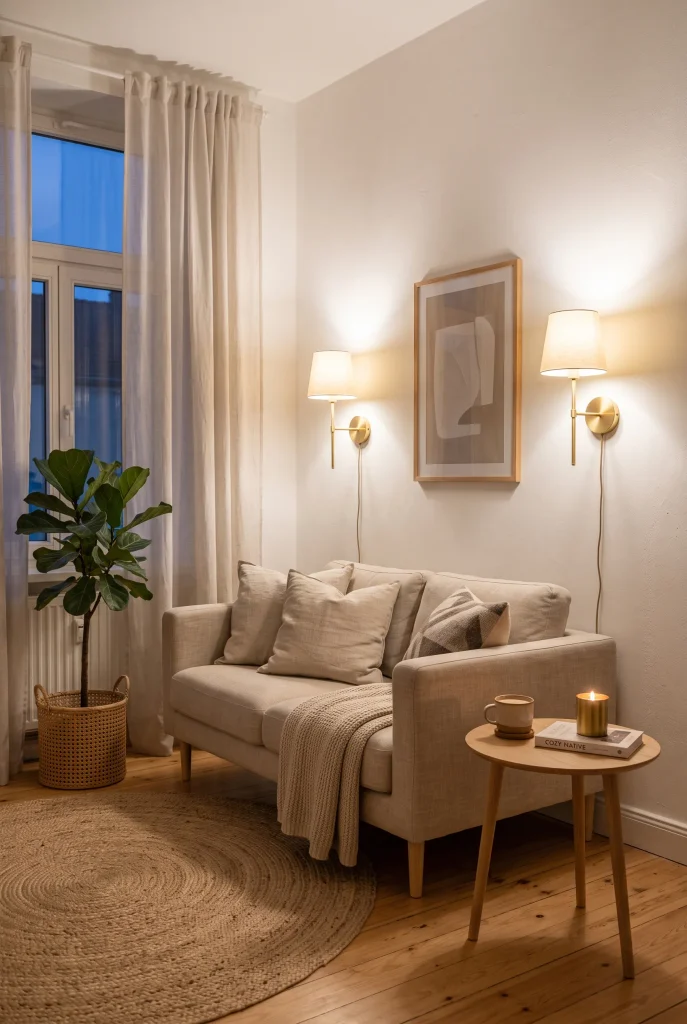
- Wall-mounted lights free valuable floor and table space.
- Sconces can create focused lighting without bulky lamps.
- Warm bulbs make compact rooms feel comfortable and inviting.
- Adjustable fixtures can provide both reading and ambient light.
Wall-mounted lighting can make a compact room feel noticeably more open by removing lamps from valuable tables and floors. A pair of slim sconces beside a sofa, bed, or desk can provide focused illumination while keeping surfaces clear. Choose simple fixtures with warm-toned bulbs to create a comfortable atmosphere without adding visual weight. This approach works especially well where furniture already feels tightly arranged. By moving lighting upward, you gain both function and breathing room, making the layout feel cleaner without sacrificing the cozy glow that makes a home inviting.
Think about the task each light needs to perform before choosing the fixture. Adjustable sconces are useful beside reading chairs or beds, while fixed wall lights can create a more decorative ambient effect. Install them at a practical height and make sure the wiring or mounting method suits your wall. If hardwiring is not possible, plug-in sconces can offer a flexible alternative. Among small home decor ideas, this change has a strong impact because it improves both the atmosphere and usable surface area with very little furniture involved.
17. Tall Narrow Mirror
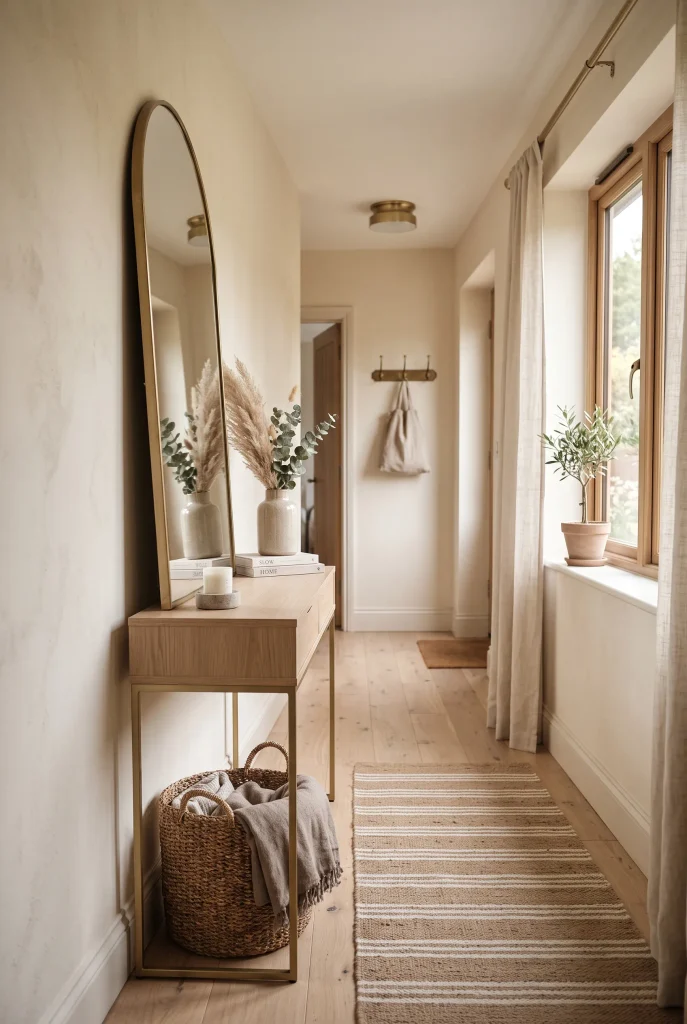
- A tall mirror draws the eye upward and emphasizes ceiling height.
- Leaning or wall-mounted designs require very little floor width.
- Reflective surfaces can make narrow areas feel brighter and deeper.
- Place the mirror where it reflects light or an attractive part of the room.
A tall narrow mirror can create a surprisingly strong sense of space in a compact room. Its vertical shape draws attention upward, helping the ceiling feel higher while using only a small amount of wall width. Place one near an entryway, beside a dresser, or in a narrow living room corner where a wider decorative piece would not fit. Choose a simple wood, brass, or black frame that complements your existing finishes. The mirror becomes both useful and decorative without taking up the floor area required by traditional furniture.
Position matters just as much as the mirror itself. Place it opposite a window when possible so natural light can bounce into darker parts of the room. You can also angle a leaning mirror toward an attractive view, plant, or artwork to create a more intentional reflection. Secure tall leaning mirrors appropriately, particularly in homes with children or pets. A narrow mirror is a practical choice when you want stronger visual depth without adding clutter. It can make an overlooked wall feel brighter, taller, and considerably more finished.
18. Nesting Side Tables
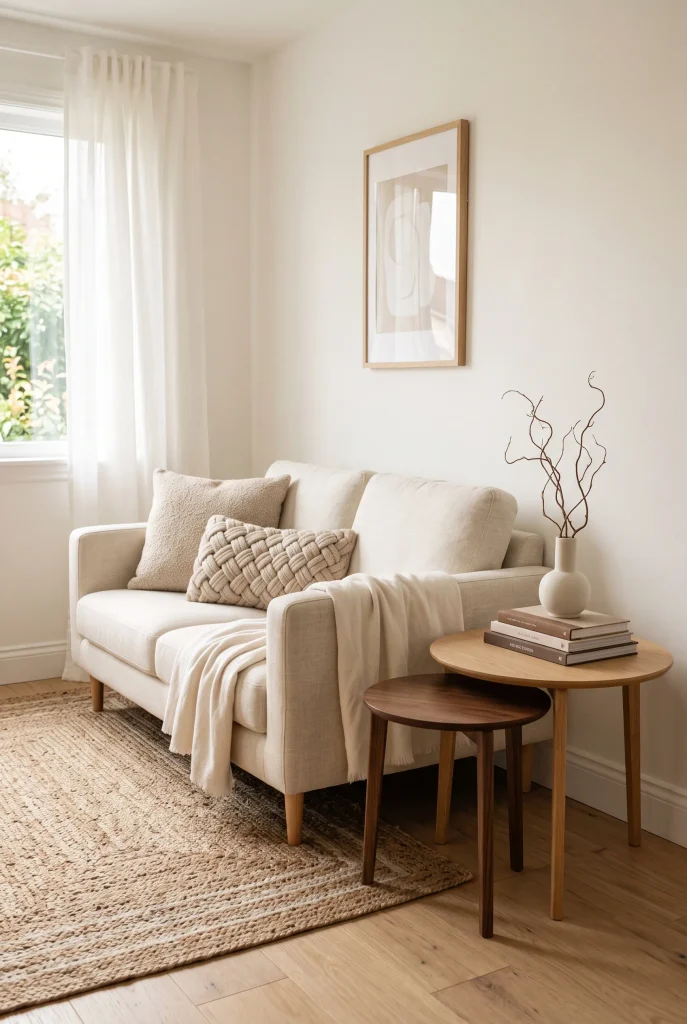
- Nesting tables provide multiple surfaces without permanently using extra space.
- Smaller tables can slide underneath the larger one when unnecessary.
- Separate them when guests need additional places for drinks or accessories.
- Natural wood finishes add warmth while keeping the furniture visually light.
Nesting side tables are ideal when a small room needs flexible surfaces but cannot accommodate several permanent tables. Two or three tables can sit together as one compact arrangement, then separate whenever you need additional space for drinks, books, snacks, or decorative pieces. Choose tables with slim legs and simple silhouettes so they do not visually dominate the room. Wood, glass, or mixed-material designs can work beautifully depending on your existing furniture. Their flexible shape allows you to adapt the layout without committing valuable floor space to multiple pieces.
Keep the largest table close to the sofa and position the smaller tables underneath when they are not needed. When guests arrive, simply pull them outward to create additional surfaces around the seating area. Avoid placing too many objects on each table because the purpose of nesting furniture is flexibility. A small lamp, ceramic vessel, or book is usually enough for everyday styling. This solution works particularly well in apartments and compact living rooms because it combines everyday convenience with a layout that can easily change when your needs change.
19. Behind-Door Storage
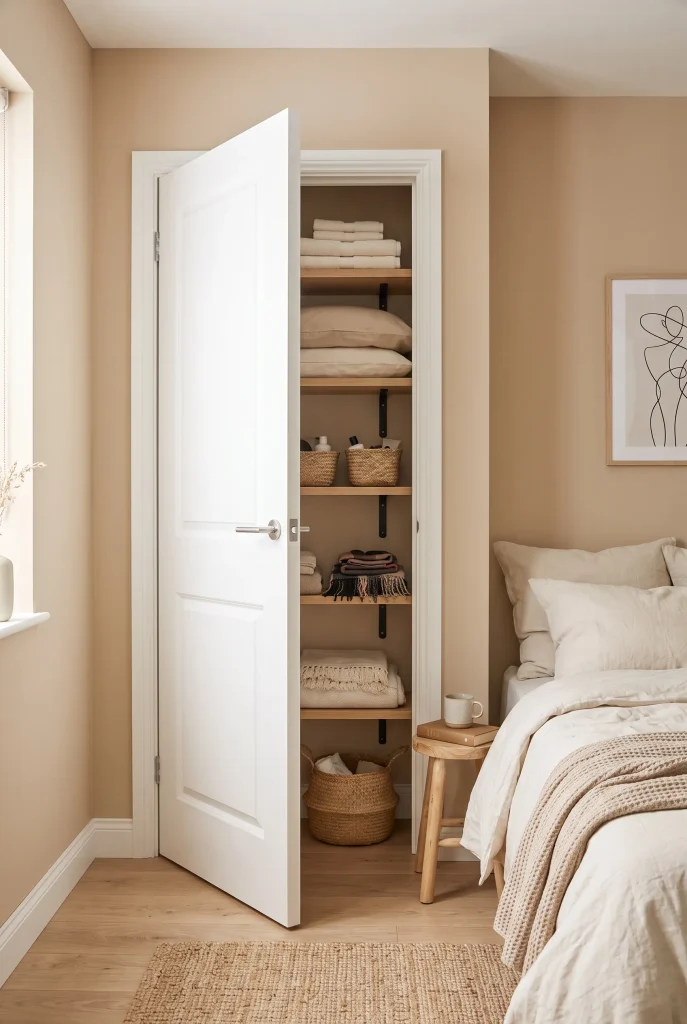
- The back of a door creates hidden storage without using floor space.
- Shallow shelves work well for lightweight everyday belongings.
- Hooks can hold bags, scarves, robes, or accessories.
- Keeping storage behind the door helps maintain a clean room appearance.
The back of a door can provide useful storage in a small home without changing the main furniture layout. A slim organizer, shallow shelves, or a series of hooks can hold accessories, cleaning supplies, towels, bags, or other lightweight items. Because the storage stays behind the door, it remains mostly hidden when the room is in use. This is especially helpful in bedrooms, bathrooms, closets, and laundry spaces where wall and floor space are already limited. It gives forgotten vertical space a practical purpose while keeping the visible room uncluttered.
Before installing anything, check the door’s thickness, hinge movement, and available clearance around the frame. Choose slim storage that will not prevent the door from opening or create pressure against nearby walls. Hooks are excellent for items used regularly, while shallow pockets can organize smaller belongings. Avoid storing heavy objects unless the organizer is specifically designed to support them. This solution is simple but effective because it adds storage without requiring another cabinet. For compact homes, using overlooked surfaces like this can make organization easier while preserving the room’s open visual flow.
20. Compact Storage Ottoman
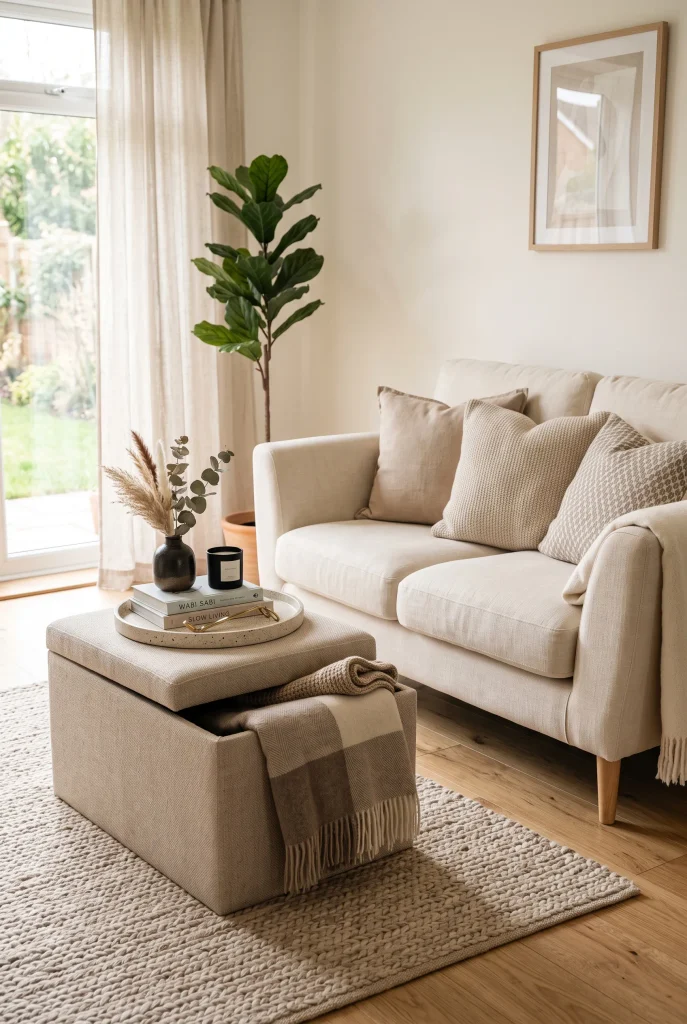
- A storage ottoman combines seating, storage, and surface space in one piece.
- It can hide blankets, magazines, toys, or everyday clutter.
- A compact rectangular shape can double as a footrest or extra seat.
- Neutral upholstery keeps the multifunctional piece visually calm.
A compact storage ottoman can solve several small-space problems at once. Use it as a footrest, occasional seat, coffee table alternative, or hidden storage container depending on what the room needs. Choose a size that fits comfortably in front of your sofa without blocking the main walkway. Lift-top styles can conceal blankets, magazines, toys, or other items that normally collect around the living room. Upholstery in beige, cream, taupe, or another soft neutral shade helps the piece blend naturally with the surrounding furniture.
For everyday use, place a small tray on top so the ottoman can temporarily hold drinks, books, or decorative objects while remaining easy to clear. Keep heavier items toward the bottom of the storage compartment and avoid filling it beyond the manufacturer’s recommended capacity. If your room is especially narrow, choose a rectangular ottoman with rounded corners for a softer visual profile and easier movement around it. Multifunctional furniture is particularly valuable in compact homes because one thoughtfully chosen piece can replace several larger items.
21. Corner Gallery Shelf
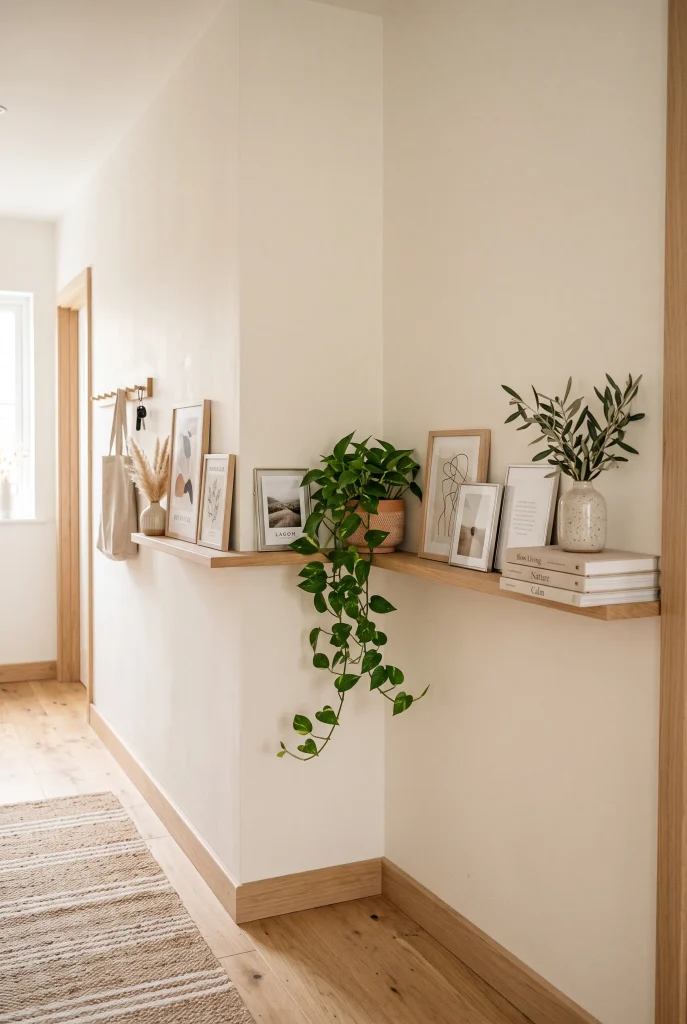
- A corner shelf turns two overlooked walls into a connected display.
- Slim ledges use minimal depth while creating decorative storage.
- Small frames and ceramics add personality without overwhelming the room.
- The arrangement can change easily as your decor evolves.
A corner gallery shelf can turn an overlooked junction between two walls into a stylish display without taking valuable floor space. Install one or two slim picture ledges across a small section of adjoining walls, then layer framed prints, small ceramics, photographs, and lightweight greenery. Keeping the shelf shallow prevents it from projecting too far into the room. This works beautifully in hallways, bedrooms, living rooms, and dining areas where an ordinary corner may otherwise remain completely unused. The result feels decorative while giving small belongings a clear place to live.
Keep the display cohesive by repeating one or two materials, such as light wood frames and neutral ceramics. Lean artwork against the wall instead of hanging every piece individually, making the arrangement easier to update whenever your style changes. Leave some open shelf space so the composition does not feel overloaded. If the corner is dark, a nearby wall sconce or reflected daylight can help highlight the display. This final idea shows how small home decor ideas can make overlooked architectural spaces useful, attractive, and visually connected to the rest of the home.
Conclusion
A small home does not have to feel limited when you use space thoughtfully. These ideas show how empty corners, unused walls, and overlooked surfaces can become useful and stylish parts of your home. From smart storage to flexible furniture, each change can improve the way your space looks and functions. The best small home decor ideas are often simple enough to try without a major makeover. Save this post on Pinterest so you can return to your favorite ideas later, try one in your own space, and share the article with someone who could use a little more room.