17 Door Storage Ideas to Keep Your Home Clutter Free
A cluttered home can happen faster than you think, especially when small everyday items have nowhere to go. Door storage ideas offer a smart way to turn overlooked surfaces into useful organization without taking up valuable floor space. From entryways and bedrooms to bathrooms, kitchens, and laundry rooms, the back of a door can hold far more than you might expect. These simple setups can help clear crowded counters, messy drawers, and overflowing shelves while keeping essentials easy to reach. Whether you live in a small apartment or simply want a more organized home, these ideas make it easier to use every inch wisely.
1. Over Door Organizer
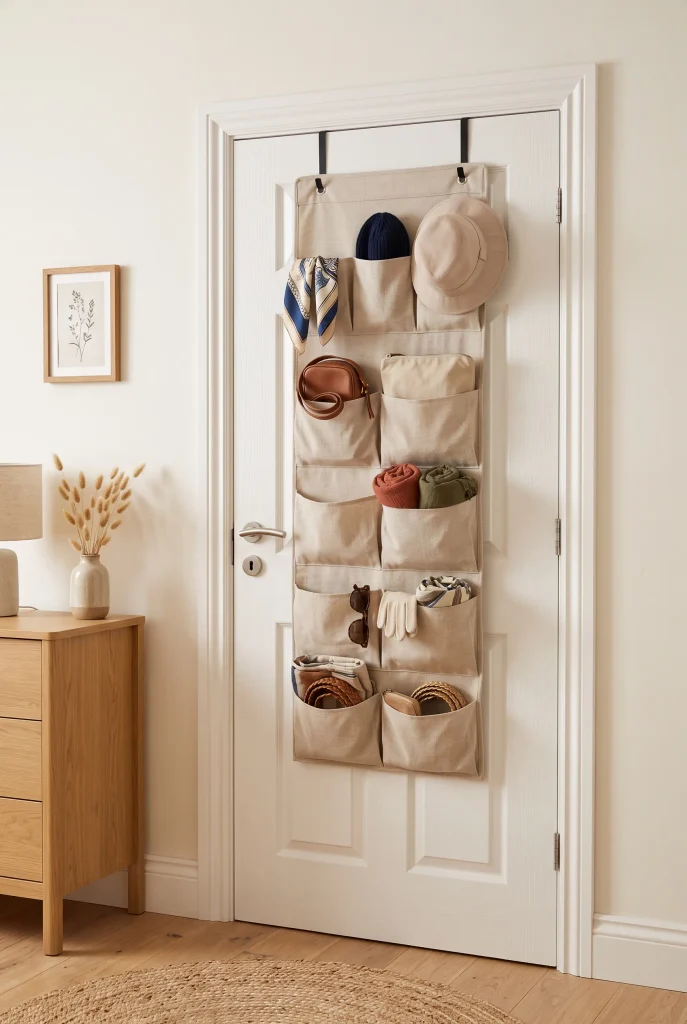
- Adds storage without using valuable floor space.
- Keeps small everyday items visible and easy to reach.
- Works especially well in bedrooms, bathrooms, and entryways.
- Helps prevent loose accessories from collecting on furniture.
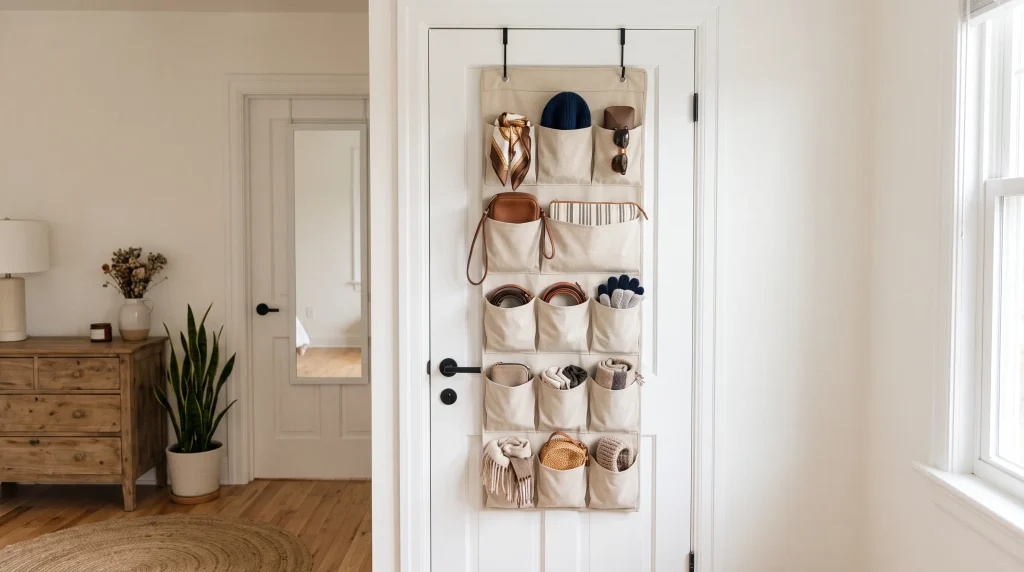
An empty door can become one of the smartest storage spots in your home. A slim over door organizer adds useful compartments without taking up precious floor space, making it especially helpful in bedrooms, bathrooms, laundry areas, and small entryways. Choose a design with several pockets or baskets for items that tend to wander, such as scarves, cleaning supplies, accessories, or toiletries. Keep frequently used pieces at comfortable reach and group similar items together. The result feels calmer because everyday clutter has a dedicated home, while the room still keeps its original footprint and walking space.
A well-organized door can quietly solve a surprising amount of everyday clutter. Look for an organizer with sturdy hooks, reinforced seams, and compartments sized for what you actually need to store. In a rental, this approach is especially practical because many options hang over the door without permanent installation. Use labeled pockets for small essentials, or reserve lower sections for lightweight items. Keep heavier belongings closer to the door’s strongest hanging points to prevent sagging. This simple setup keeps loose objects contained, makes them easier to find, and turns overlooked vertical space into practical storage.
2. Slim Hook Rail
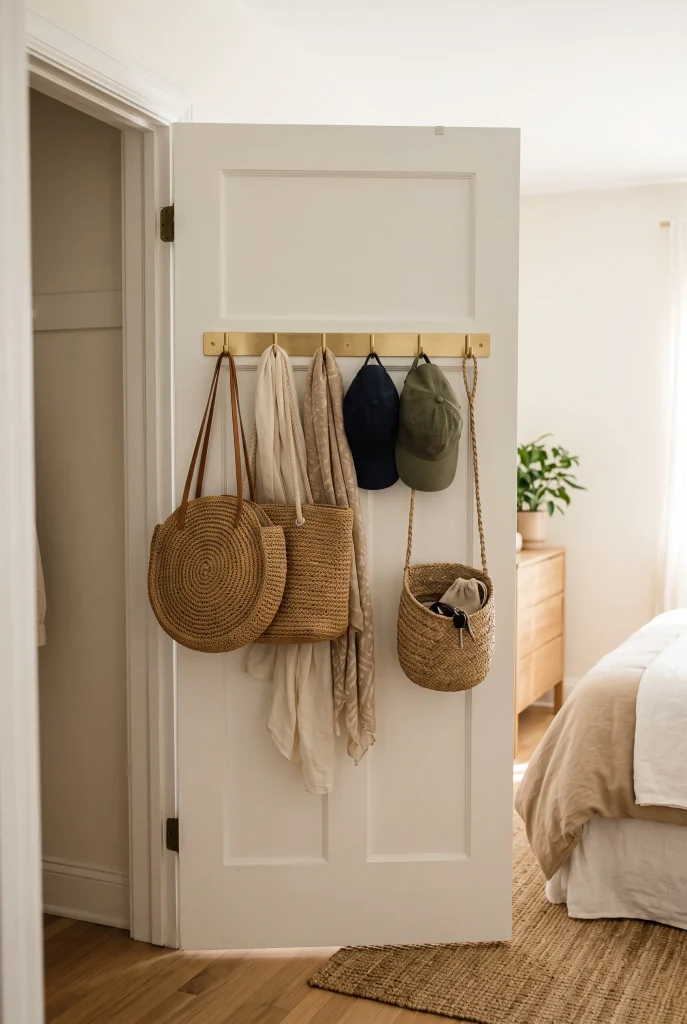
- Creates quick hanging space for frequently used items.
- Keeps bags, hats, and scarves off chairs and countertops.
- A slim rail maintains a clean, understated look.
- Matching hardware can make the setup feel more intentional.
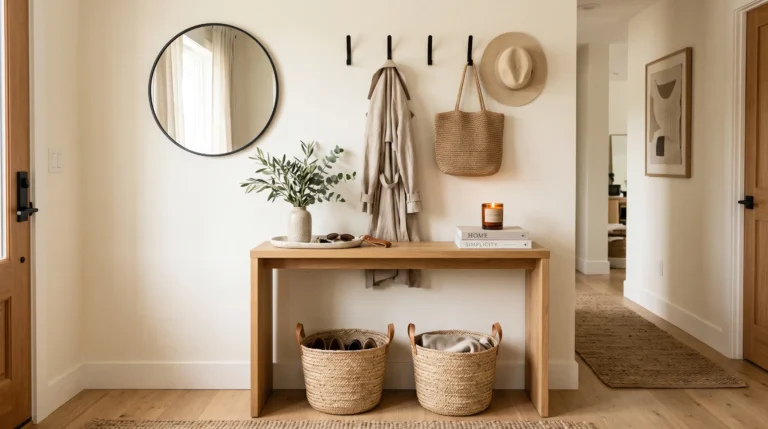
Few storage upgrades are as simple as adding a row of hooks where clutter already gathers. A slim hook rail turns the inside of a closet or bedroom door into an easy drop zone for bags, hats, scarves, robes, or lightweight accessories. It works particularly well when you need quick access without adding another piece of furniture. Choose hooks with enough spacing so items do not overlap heavily. For a polished look, match the hardware to nearby finishes such as brass, black, or brushed nickel. The result is practical storage that keeps daily essentials neatly contained.
This setup also makes busy mornings easier because commonly used pieces stay visible instead of disappearing into crowded drawers. If the door is narrow, choose a compact rail with vertically spaced hooks rather than a wide design that can make the surface look crowded. Lightweight woven baskets can sit on lower hooks for smaller accessories. Simple hanging systems work best when they hold only the things used regularly. Keeping the collection edited prevents the door from becoming another clutter zone and preserves the clean, organized appearance you wanted in the first place.
3. Cabinet Door Baskets
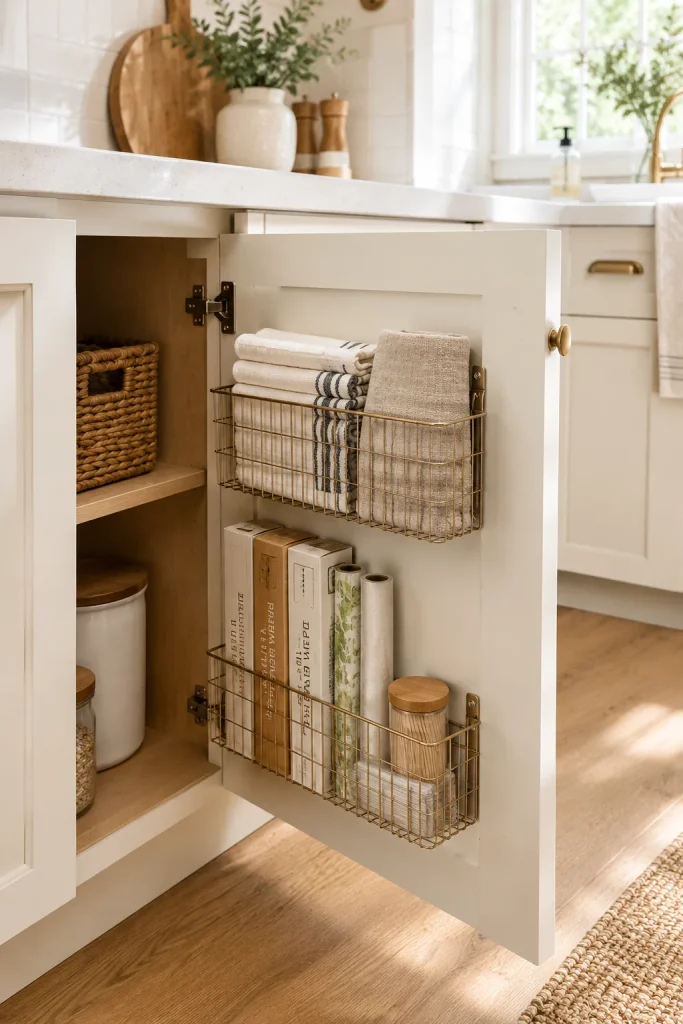
- Makes unused cabinet-door space work harder.
- Keeps small kitchen essentials grouped in one place.
- Slim baskets add storage without crowding cabinet shelves.
- Helps reduce messy drawers and overflowing countertops.
Cabinet doors often hide a useful storage opportunity that is easy to overlook. Slim baskets attached to the inside can hold kitchen towels, wraps, measuring tools, cleaning cloths, or small pantry items that otherwise create messy drawers. The key is choosing shallow baskets that allow the door to close properly without interfering with shelves. Group items by purpose so each basket has a clear job. This small adjustment can free shelf space and make busy areas easier to maintain. It is especially useful in compact kitchens where every available inch needs to serve a practical purpose.
For the best result, measure the cabinet door and the space behind it before buying storage pieces. Leave enough clearance for hinges, shelves, and handles so nothing catches when the door moves. Wire baskets are useful when you want visibility, while solid containers create a more concealed appearance. Keep heavier supplies on sturdy shelves rather than lightweight door baskets. A thoughtfully arranged interior makes everyday tasks smoother because essentials stay together and easy to grab. It also keeps countertops clearer, helping the whole kitchen feel more spacious and orderly without requiring a major renovation.
4. Pegboard Door Panel
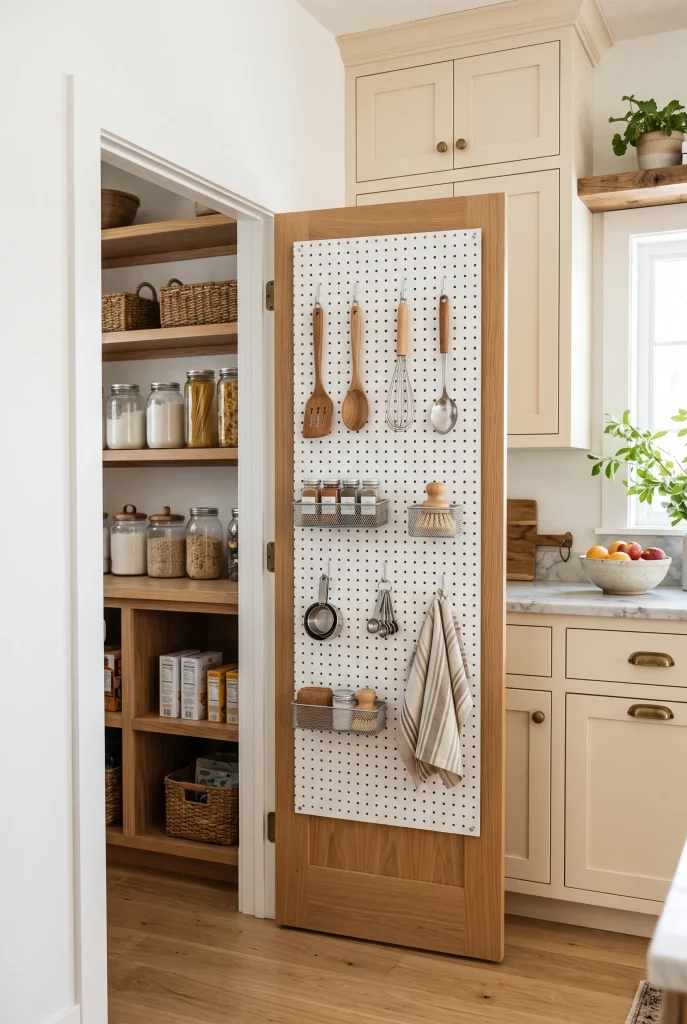
- Creates flexible storage that can change as your needs change.
- Keeps small tools visible instead of buried in drawers.
- Works well for kitchens, craft rooms, and utility spaces.
- Adjustable hooks make the setup easy to reorganize.
A pegboard can turn a plain door into a flexible storage station without making the room feel crowded. Small hooks and baskets give you space for utensils, craft supplies, cleaning tools, or everyday accessories, depending on the room. Because the pieces can be moved, you are not locked into one arrangement. Keep frequently used items near the middle where they are easiest to reach, and place less-used pieces higher or lower. This makes the storage feel intentional rather than overloaded. It is one of those door storage ideas that can adapt as your routine changes.
The biggest advantage is flexibility. If your needs change later, you can move hooks, add a basket, or create a different arrangement without rebuilding the entire system. Choose a neutral pegboard finish that blends with the surrounding room, especially if the door is visible when open. Keep enough open space between stored items so the surface remains easy to scan. For heavier tools, use hardware designed for the weight rather than relying on lightweight hooks. A simple layout can make a previously wasted surface surprisingly useful while keeping shelves and countertops much clearer.
5. Hanging Shoe Rack
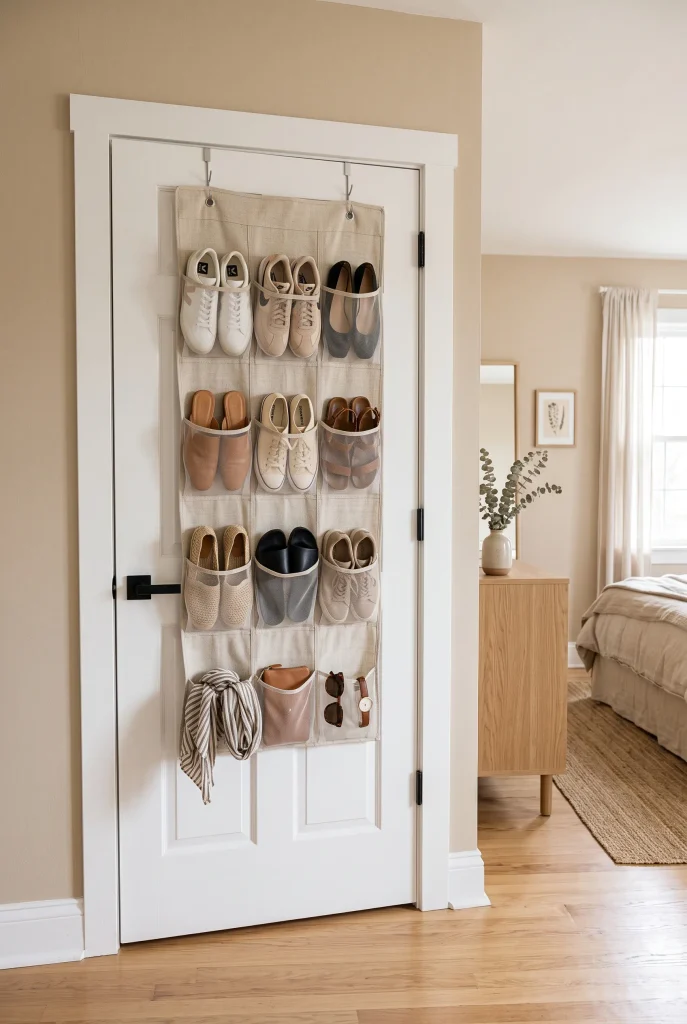
- Frees valuable closet and floor space.
- Keeps shoes paired and easy to find.
- Extra pockets can hold small accessories or seasonal items.
- Works particularly well in small bedrooms and apartments.
Shoes can quickly take over a closet floor, especially when several pairs are worn throughout the week. A hanging shoe rack moves that collection onto the back of a door, creating a simple vertical storage zone. Look for clear or fabric pockets that fit your shoe sizes without stretching or sagging. Arrange everyday pairs at comfortable eye level and place occasional footwear higher up. The open pockets make it easier to see what you own, which can save time when getting ready. This approach also leaves more floor area available for larger storage pieces.
A hanging rack is especially useful when your closet has limited shelving but plenty of unused door space. Before installing one, check that the hooks fit securely over the door and that the organizer does not interfere with closing. Keep heavier footwear toward the bottom only if the rack is designed to support the added weight. You can also use a few spare pockets for belts, socks, scarves, or small bags. Keeping categories together makes the storage easier to maintain and prevents the organizer from becoming another collection of mixed, forgotten items.
View: 21 Easy Home Organization Tips for a Clutter Free Home
6. Mirror Storage Cabinet
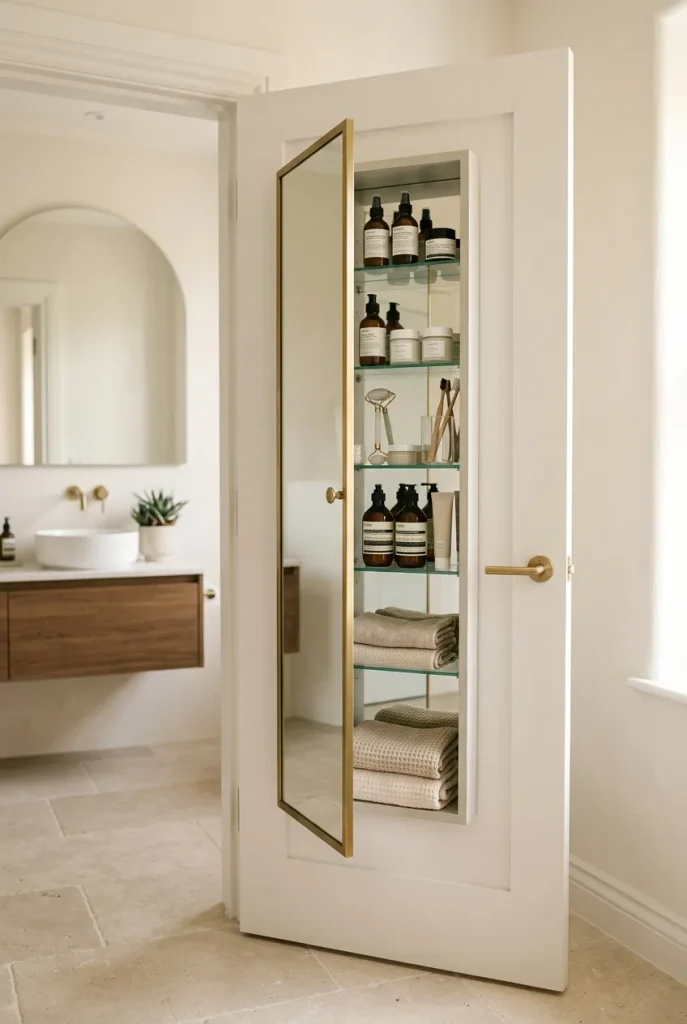
- Combines everyday storage with a useful full or partial mirror.
- Hides toiletries while keeping them close at hand.
- Makes a small bathroom feel more functional.
- Mirrored surfaces can visually brighten the space.
A mirrored storage cabinet gives you two useful functions in one compact feature. The reflective front helps with everyday routines, while the concealed shelves keep toiletries, skincare, grooming supplies, or small bathroom essentials out of sight. This can be particularly helpful when counter space is limited and every surface tends to collect products. Choose a slim cabinet that leaves enough clearance for the door and nearby fixtures. Adjustable shelves are even better because bottles and containers vary in height. The finished look feels cleaner because useful storage stays hidden behind a simple, reflective surface.
This option works best when the storage is edited rather than packed tightly. Keep daily essentials on the easiest-to-reach shelf and reserve higher sections for backup products or occasional items. Moisture-resistant materials are important in bathrooms, where humidity can affect finishes and hardware over time. A cabinet with a simple frame can blend easily with modern, traditional, or transitional interiors. When the mirror is closed, the room looks visually calm; when opened, everything you need is organized inside. It is a practical upgrade that adds function without requiring another bulky storage unit.
7. Mail Organizer
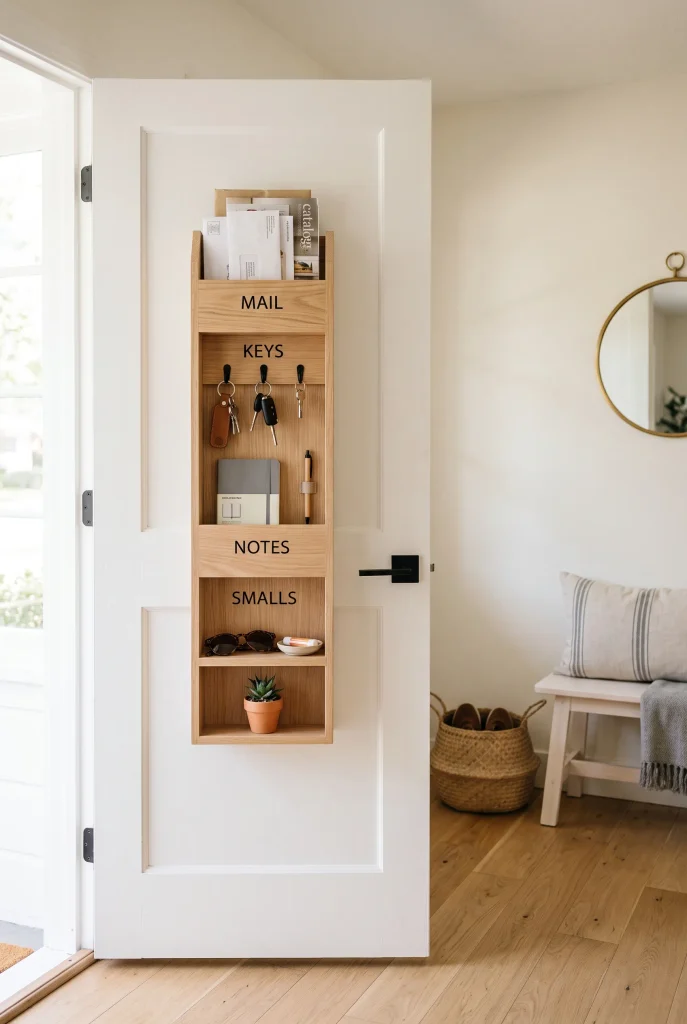
- Gives incoming mail a dedicated place instead of the countertop.
- Keeps keys and small essentials together near the entrance.
- Helps prevent papers from spreading across surfaces.
- Works well in compact entryways and apartments.
The entryway can become cluttered quickly when mail, keys, receipts, and small papers have nowhere to land. A slim mail organizer gives these everyday items a defined home while using vertical space that might otherwise sit empty. Choose separate compartments for incoming mail, outgoing envelopes, and small essentials such as notepads or spare keys. Keeping the organizer close to the entrance makes the habit easier to follow because everything can be sorted as soon as you walk through the door. This simple system can make a busy entryway look noticeably cleaner without adding another piece of furniture.
For a polished result, choose an organizer that complements your entryway rather than competing with it. Wood adds warmth, metal creates a more modern look, while woven materials can soften a casual space. Avoid filling every compartment just because there is room. A little breathing space keeps the organizer visually tidy and makes important papers easier to spot. You can also reserve one section for items that need attention soon, preventing them from getting lost in a pile. With a consistent routine, this small storage feature can make everyday organization feel much more manageable.
8. Towel Hanging Rack
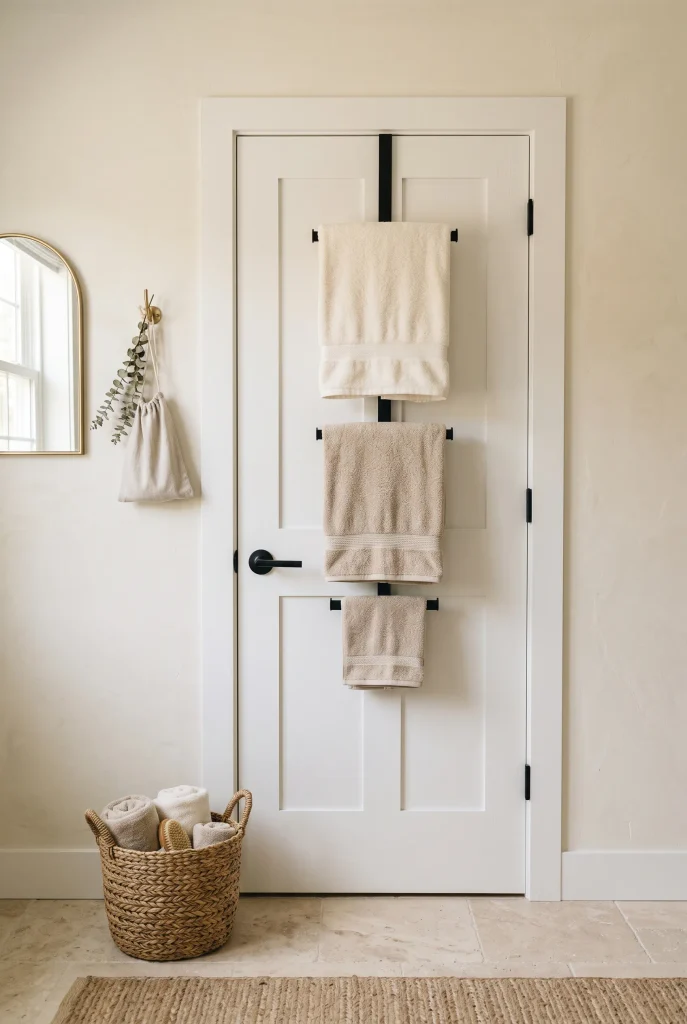
- Adds towel storage without using valuable wall space.
- Keeps fresh towels easy to reach after showers.
- Works well when bathroom walls have limited room.
- Rolled or folded towels can create a neat visual display.
A door-mounted towel rack can make a small bathroom feel much more organized without taking up floor space. Instead of leaving clean towels on a chair or piling them onto a countertop, you can keep them neatly arranged on the back of the door. Choose a rack with enough width for the towels you actually use, and leave space between layers so they can dry properly. Neutral towels in cream, white, beige, or soft gray create a calm look. This simple arrangement adds practical storage while keeping the bathroom visually uncluttered.
When choosing a rack, make sure the mounting method suits the door and can support the intended weight. Over-door designs are convenient for rentals, while securely mounted options can provide greater stability when the door material allows it. Keep frequently used towels within easy reach and store extras elsewhere so the rack does not become overloaded. A small woven basket nearby can hold washcloths or toiletries, creating a coordinated storage zone. The goal is not to fill the door, but to use just enough vertical space to make daily routines easier and the room feel more orderly.
9. Craft Supply Pockets
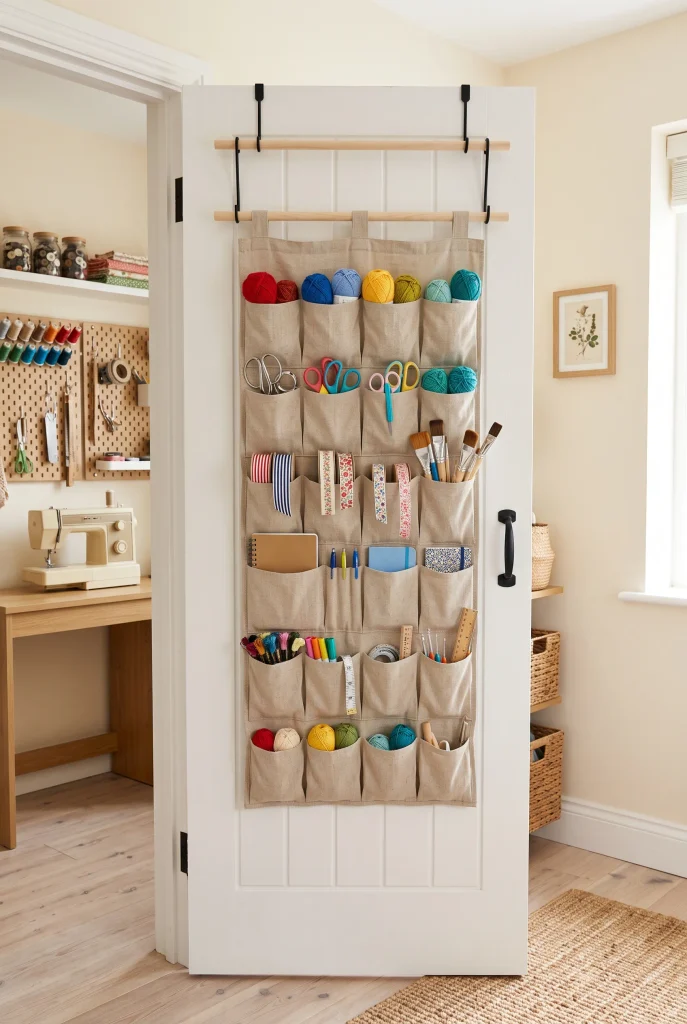
- Keeps small craft supplies separated and easy to locate.
- Frees drawers and shelves for larger materials.
- Clear pockets make frequently used tools easy to spot.
- Helps prevent loose supplies from spreading around the room.
Small craft supplies are exactly the kind of items that disappear into messy drawers or scatter across a work surface. A pocket organizer gives each category a visible place, making it easier to find scissors, ribbons, brushes, yarn, pens, or other lightweight materials. Use larger pockets for bulky supplies and smaller sections for tiny tools. Transparent pockets are particularly helpful because you can see what is inside without opening every compartment. This approach keeps the workspace clearer while turning an otherwise unused door into a compact craft station that supports creativity instead of creating more mess.
The best arrangement depends on how often you use each supply. Keep everyday tools around eye level, while seasonal or occasional materials can go into higher pockets. Avoid putting sharp or heavy objects into organizers that are not designed to carry them. You can also group supplies by project, color, or function to make the system easier to maintain. When everything has a defined pocket, cleanup becomes much faster after a creative session. That small improvement can make a craft room feel calmer and more inviting, even when the space itself is limited.
10. Pantry Door Shelves
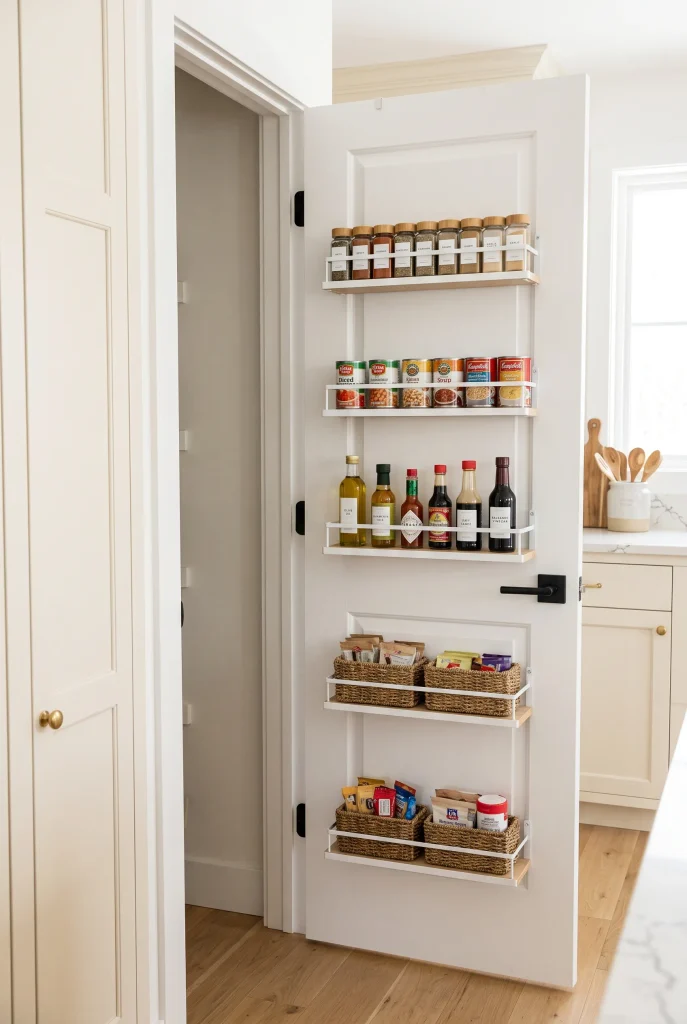
- Adds valuable storage to an otherwise unused surface.
- Keeps small pantry items visible and easy to grab.
- Frees deeper shelves for larger food containers.
- Tiered shelving makes it easier to see everything at once.
A pantry door can provide surprisingly useful storage when shelf space is already crowded. Slim tiered shelves create a dedicated spot for spices, sauces, cans, packets, and other small items that often get pushed toward the back. Choose shelves with raised edges so containers stay secure when the door opens and closes. Group similar ingredients together and keep frequently used products around eye level. This makes cooking easier because you can quickly see what you have. It also reduces the temptation to overfill deep pantry shelves with small items that become difficult to find later.
Before installing shelves, measure the distance between the door and the pantry interior to make sure the system will clear existing shelves. Keep heavier containers on lower levels and avoid placing oversized jars where they could prevent the door from closing properly. Clear bins can make loose packets easier to control, while matching containers create a more streamlined appearance. The goal is to create accessible storage without making the door feel heavy or crowded. A well-planned arrangement can free up surprisingly much shelf space and make your pantry easier to use every day.
11. Laundry Door Hooks
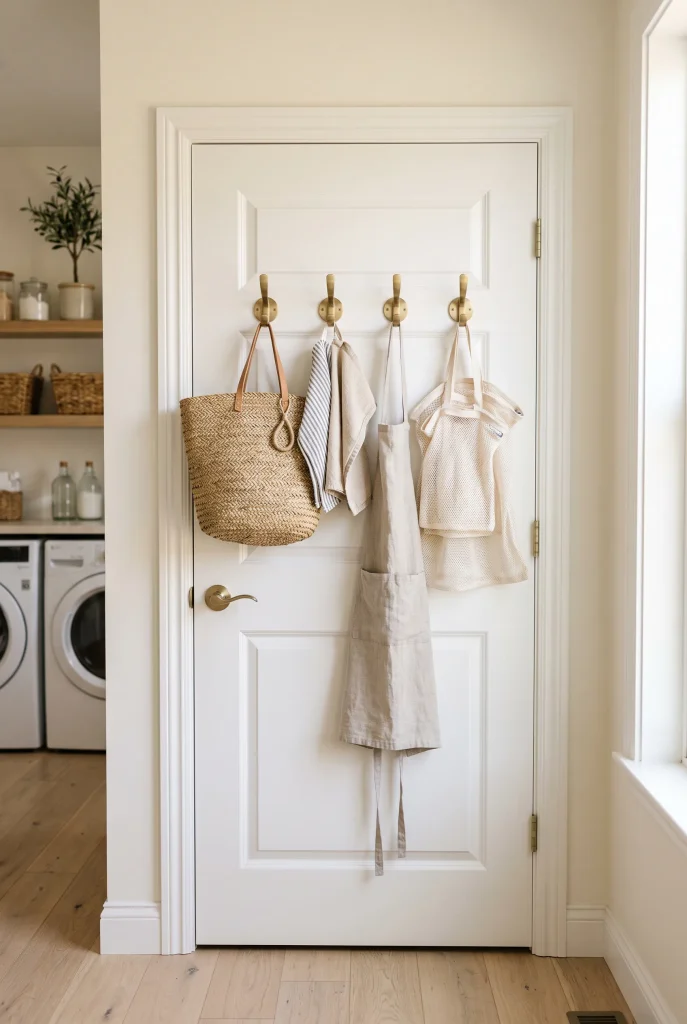
- Creates a convenient drop zone for laundry essentials.
- Keeps reusable bags and cloths off counters.
- Makes frequently used cleaning items easy to reach.
- Works especially well in compact laundry rooms.
Laundry rooms often have plenty of tasks but very little dedicated storage. A row of sturdy hooks on the door can create an easy place for reusable laundry bags, cleaning cloths, lightweight aprons, or garment bags. Keeping these items together prevents them from ending up on top of the washer or scattered around the room. Choose hooks that can handle the intended weight and space them far enough apart to prevent overlapping. A simple row looks neat while still giving you quick access to things you use regularly. It is a small change that can make laundry routines feel smoother.
For a cohesive look, match the hook finish with existing cabinet handles, faucets, or light fixtures. Wooden hooks can add warmth, while metal hardware works nicely in modern utility spaces. Avoid hanging bulky items that could interfere with the door or damage nearby walls when the door moves. If you have extra space, one hook can be reserved for an empty laundry bag that is ready for the next load. Keeping the setup simple makes it easier to maintain. When every useful item has a predictable place, even a hardworking laundry room can feel noticeably more controlled.
12. Wrapping Paper Station
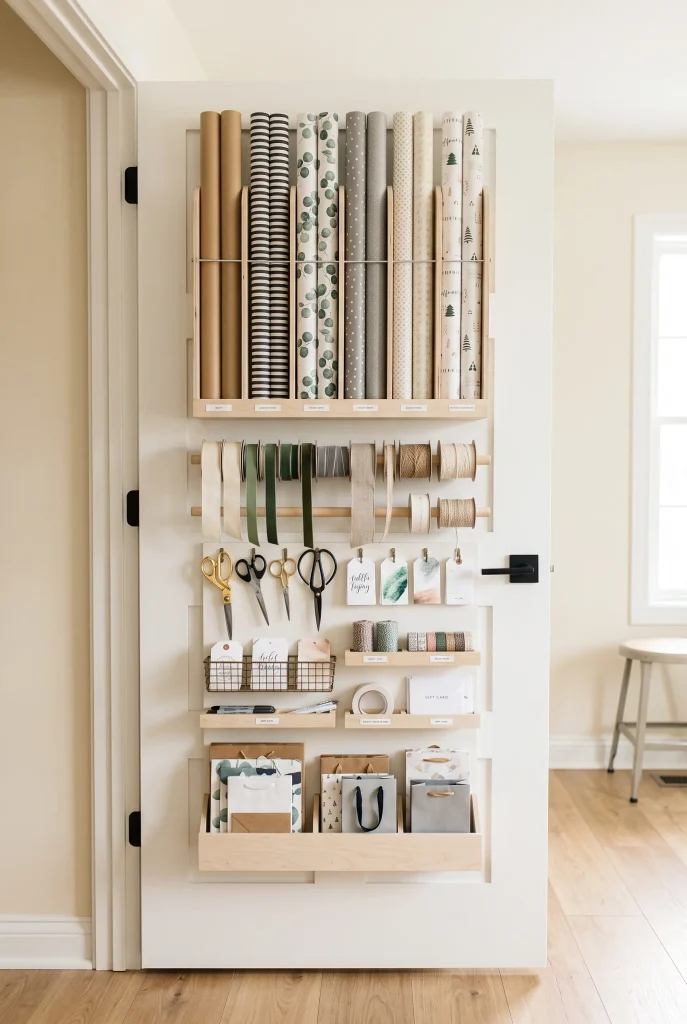
- Keeps long wrapping paper rolls neatly contained.
- Gives ribbons, tags, and gift bags dedicated storage.
- Prevents rolls from bending or getting damaged.
- Makes gift wrapping supplies easier to find before celebrations.
Wrapping paper is awkward to store because long rolls take up space and can easily become bent or tangled. A dedicated door station solves that problem by keeping rolls upright in narrow compartments while smaller sections hold ribbons, scissors, tape, tags, and gift bags. Use clear dividers or slim baskets so each supply remains visible. Keeping everything together means you do not have to search through several drawers when a birthday or holiday arrives. The setup is especially useful in homes without a dedicated craft room because it creates a compact station from an otherwise unused vertical surface.
A good wrapping station should be organized around the way you actually prepare gifts. Keep scissors and tape within easy reach, place frequently used paper at the front, and store seasonal patterns farther back or higher up. Make sure the door can open fully without the rolls catching on nearby shelves or walls. Slim storage components are usually better than deep bins because they keep the door balanced and preserve visibility. Once everything is grouped together, wrapping gifts becomes less frustrating, and your closet or craft area stays cleaner because loose rolls no longer have to lean against furniture.
13. Bathroom Pocket Organizer
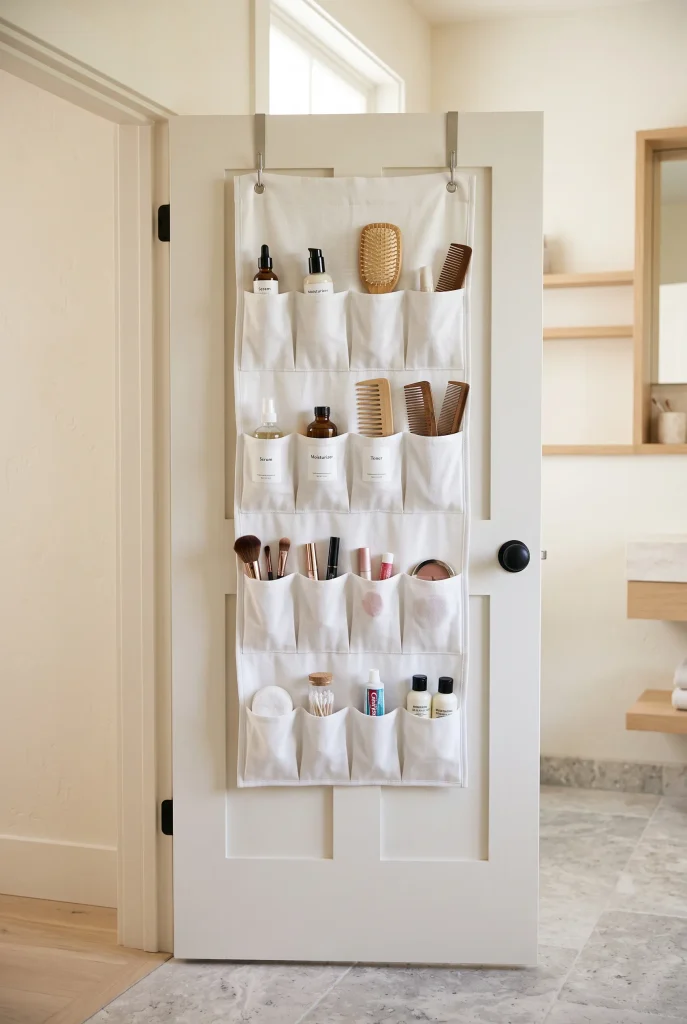
- Keeps small bathroom essentials organized and visible.
- Frees crowded countertops and shallow drawers.
- Makes everyday products easier to grab quickly.
- Uses vertical space without adding bulky furniture.
A pocket organizer can make a busy bathroom feel instantly more manageable. Multiple compartments give skincare, hair accessories, cosmetics, and grooming tools their own places instead of allowing them to spread across the counter. Choose pockets deep enough to hold your containers securely, but avoid overfilling them because a crowded organizer can look messy. Clear pockets make frequently used products especially easy to spot. This is one of the simplest door storage ideas for bathrooms where cabinets are limited and countertop space disappears quickly. Everything stays within reach while the main surfaces remain cleaner.
Keep the items you use every morning in the middle pockets and move occasional products toward the top or bottom. Smaller sections are ideal for hair ties, cotton pads, brushes, and other pieces that tend to disappear in drawers. If the bathroom has high humidity, choose a washable, moisture-resistant organizer that can be cleaned easily. A neutral fabric version blends quietly with most interiors, while transparent pockets offer a more functional appearance. The right arrangement keeps routines efficient without making the room feel packed, proving that even a small door can provide useful everyday storage.
14. Entryway Key Hooks
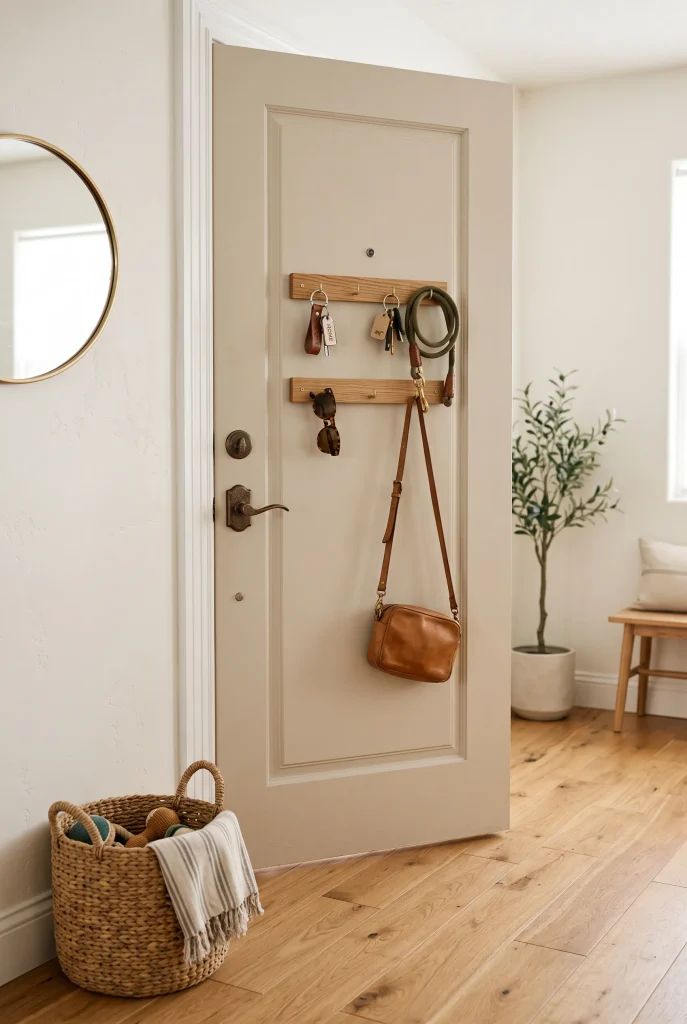
- Creates a reliable home for keys and daily essentials.
- Helps prevent small items from disappearing around the house.
- Keeps entryway surfaces free from loose clutter.
- A small rack can fit even in narrow spaces.
Keys, sunglasses, and small everyday essentials are easy to lose when they do not have a consistent landing spot. A compact hook rack on the back of an entryway door creates one immediately. Assign each hook a purpose, such as keys, a small bag, sunglasses, or a reusable shopping bag. This keeps the arrangement simple and prevents several unrelated items from piling together. Choose a slim design that sits close to the door so it does not interfere with movement. The result is a practical drop zone that makes leaving and returning home feel more organized.
Placement matters more than size with this setup. Position the hooks at a comfortable height and keep the most frequently used items within easy reach. If several people share the space, giving each person a dedicated hook can make the system easier to maintain. A small tray or basket nearby can catch loose items that do not belong on the hooks. Storage systems work better when they match existing routines rather than asking people to create complicated new habits. A simple key station encourages consistency because putting things away takes only seconds.
15. Gift Bag Storage
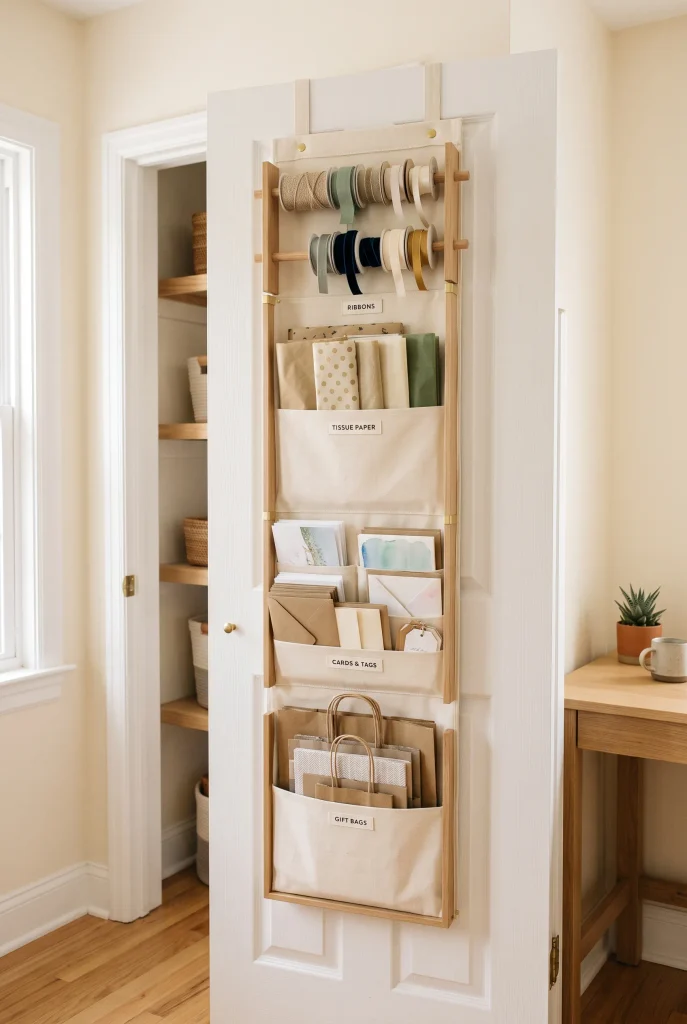
- Keeps reusable gift bags from becoming a crumpled pile.
- Separates bags by size for quicker selection.
- Provides a dedicated place for cards and tissue paper.
- Frees drawers and shelves for more useful storage.
Gift bags are useful because they can be reused, but they are also surprisingly awkward to store. A slim organizer on the inside of a closet or storage door keeps bags upright and separated by size instead of letting them collapse into a drawer. Add smaller compartments for tissue paper, greeting cards, ribbons, and tags so all your gift-wrapping essentials stay together. Arrange the largest bags toward the bottom and smaller ones higher up. This makes the collection easier to scan and prevents delicate handles from getting tangled. It also gives forgotten bags a better chance of being reused.
To keep the station practical, remove damaged or heavily worn bags before organizing everything. Folding tissue paper loosely rather than tightly helps prevent unnecessary creases, while flat compartments are ideal for cards and envelopes. Make sure the organizer is shallow enough that the closet door still closes comfortably. You can also group bags by occasion, color, or size depending on what feels easiest to maintain. A dedicated storage spot turns a messy collection into a useful resource. When the next celebration arrives, you can quickly find the right bag without searching through crowded drawers or storage boxes.
16. Closet Door Drawers
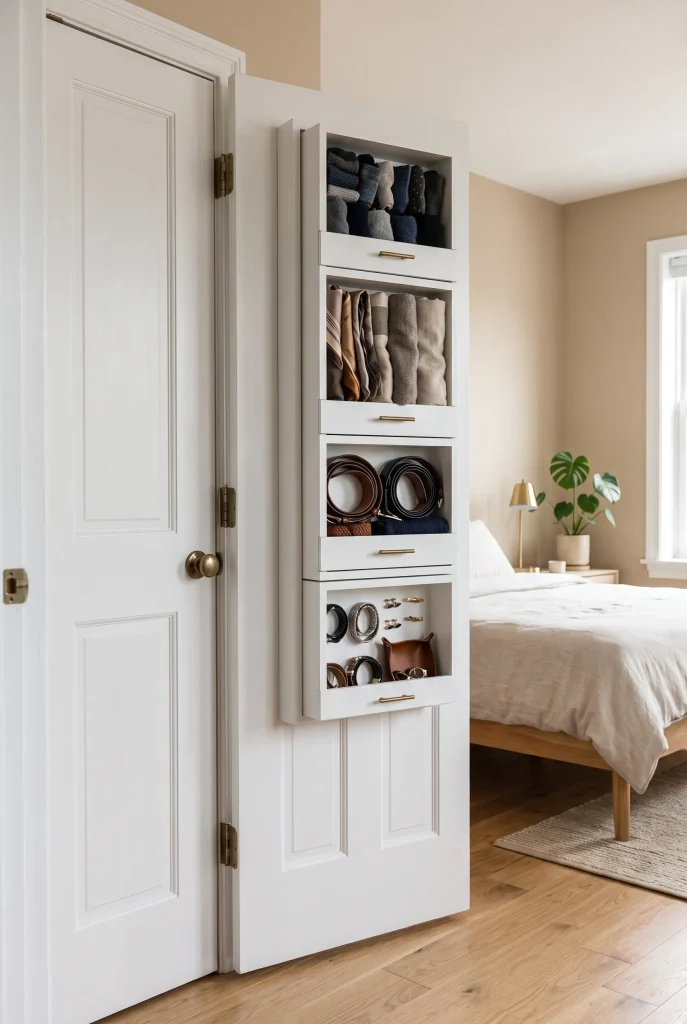
- Adds hidden compartments without expanding the closet footprint.
- Keeps small clothing accessories separated and easy to find.
- Makes better use of unused vertical space.
- Helps keep larger closet shelves available for bulky items.
A few slim drawers can completely change how an underused closet door functions. Instead of letting socks, belts, scarves, or small accessories fill larger drawers, you can give each category its own compact compartment. Choose shallow units that sit securely against the door and leave enough clearance for the closet interior. Keep frequently used items in the easiest-to-reach drawers and reserve higher sections for pieces used less often. This setup works particularly well in bedrooms where storage is limited but the closet door offers unused vertical space that can be turned into practical organization.
The key is keeping the drawers shallow and the contents lightweight. Overloading the door can make it difficult to open smoothly and may put unnecessary strain on hinges or mounting hardware. Use drawer dividers when small accessories tend to mix together, and label sections if several people share the closet. A neutral finish can blend into the surrounding cabinetry for a built-in appearance. When each small item has a defined place, getting dressed becomes simpler and the main closet remains less crowded. It is a practical upgrade that adds storage without requiring another bulky dresser.
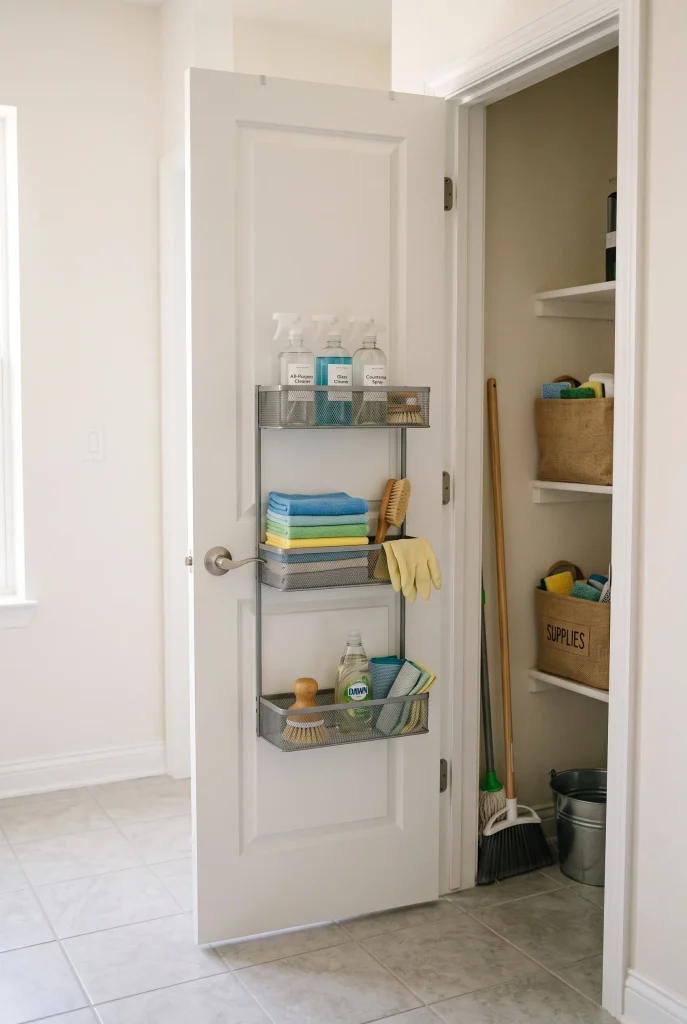
17. Cleaning Supply Rack
- Keeps cleaning products together and easy to access.
- Frees valuable shelf space inside the utility closet.
- Prevents bottles and cloths from spreading across shelves.
- Makes everyday cleaning routines faster and more organized.
Cleaning supplies often create clutter because bottles are different sizes and tend to get pushed behind one another. A dedicated rack on the inside of a utility or pantry door keeps frequently used products visible and separated. Slim shelves can hold spray bottles, while hooks or small baskets can store microfiber cloths, brushes, and gloves. Keep heavier bottles on sturdy lower shelves and lighter supplies higher up. This arrangement makes it easier to grab what you need without moving several products first. It also leaves the main closet shelves available for bulkier household items and equipment.
Safety should guide the organization of this type of storage. Keep cleaning products in secure containers, follow their label instructions, and place them away from children or pets when necessary. Make sure the rack is properly supported and does not prevent the door from closing fully. Grouping products by task can also simplify the setup, such as placing bathroom cleaners together and general-purpose supplies in another section. A well-planned rack reduces visual clutter while making routine chores more efficient. Even a narrow door surface can become a useful part of a hardworking household storage system.
Conclusion
Smart organization does not always require new furniture or a major makeover. These door storage ideas show how an overlooked surface can become useful space for everyday essentials, accessories, cleaning supplies, pantry items, and more. Start with the area that causes you the most clutter and choose one setup that fits your routine. Even a small change can make a room feel cleaner and easier to manage. Save this article on Pinterest so you can return to your favorite ideas when you are ready to organize. Try one today, and share it with someone who could use a little extra storage at home.