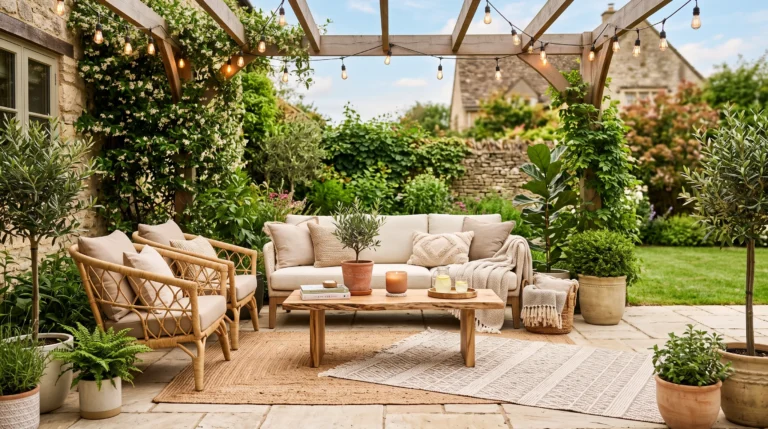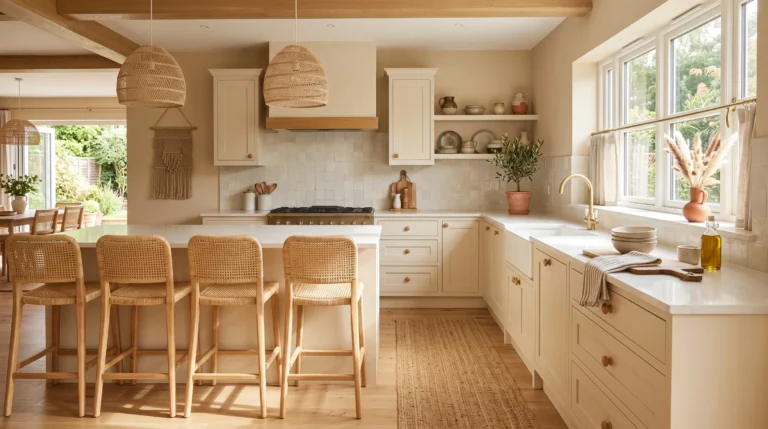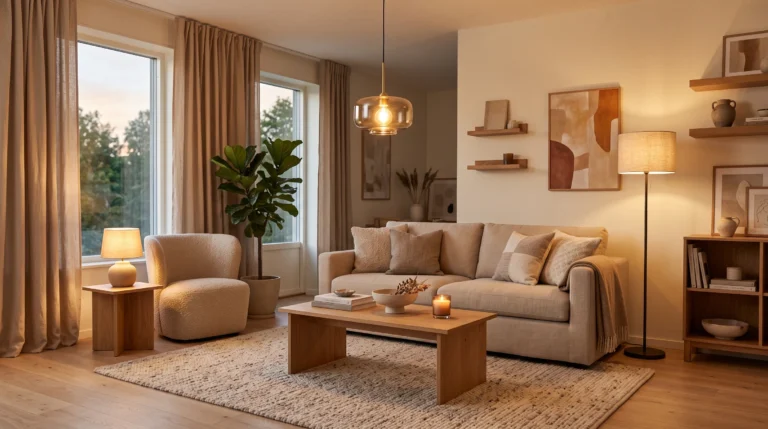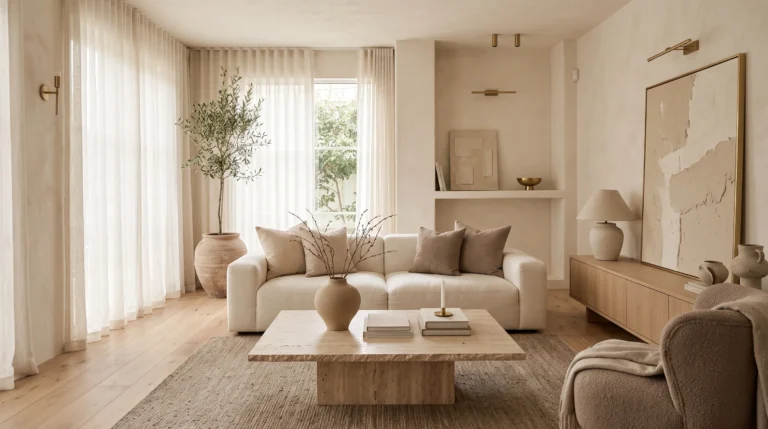
21 Coastal Living Room Ideas to Bring Beach Vibes Home
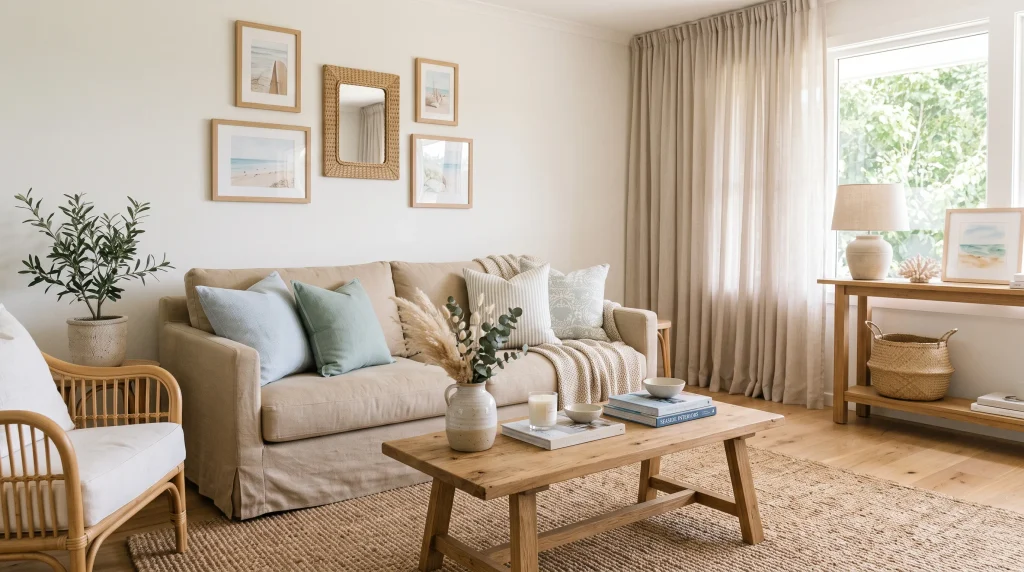
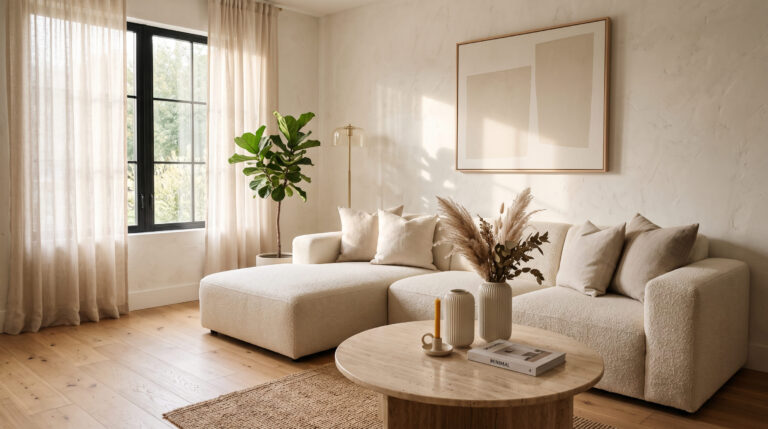
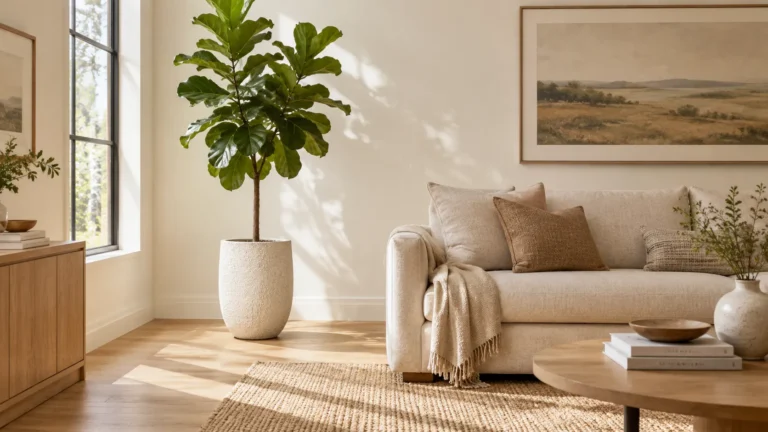
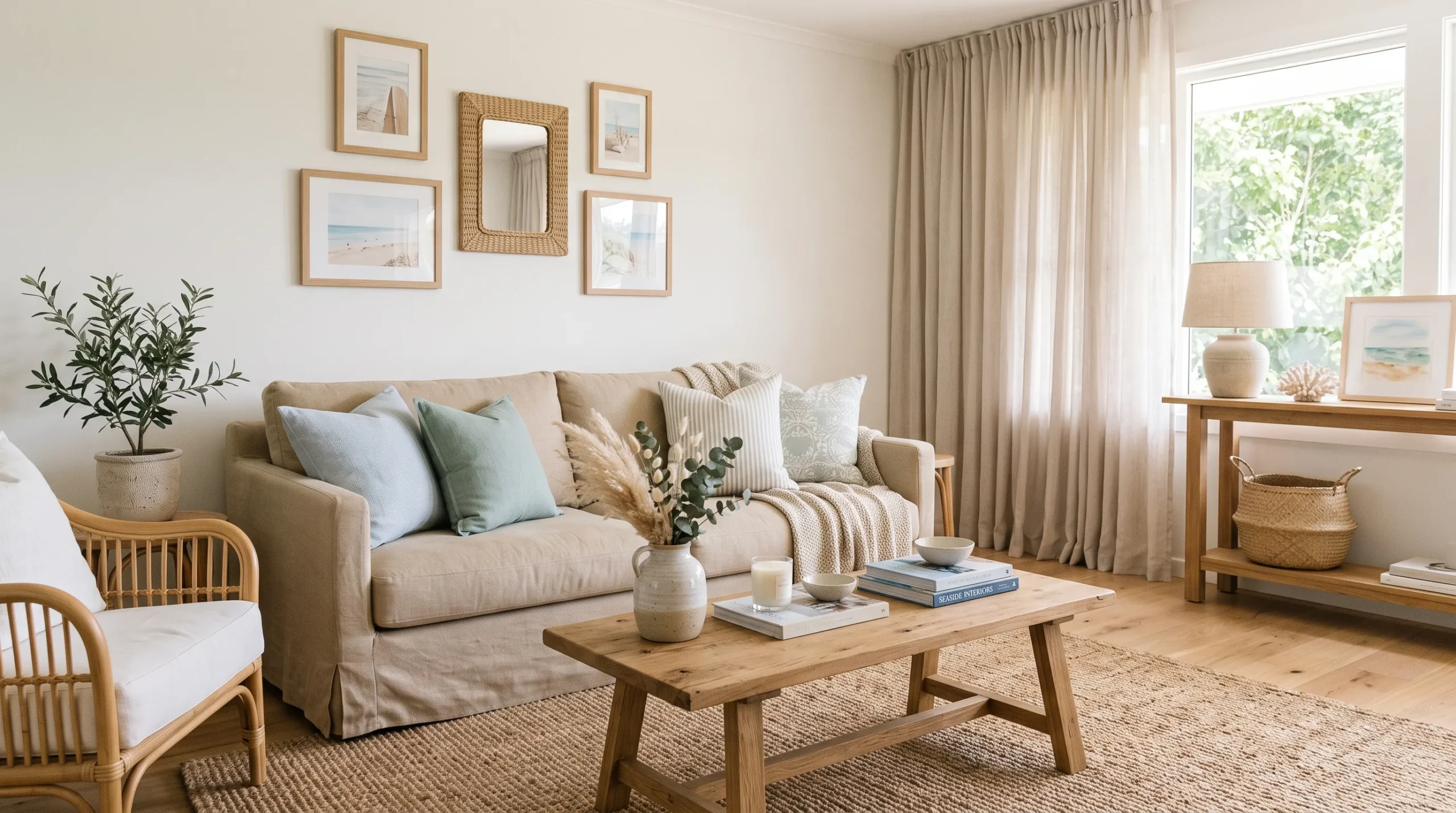
Want your living room to feel like a fresh seaside escape without looking overly themed? Coastal living room ideas can bring that breezy feeling home with simple colors, natural textures, and comfortable furniture.
You do not need seashell-covered walls or a room filled with navy blue to create the look. Warm whites, sandy neutrals, soft blues, pale wood, linen, rattan, and woven accents can completely change the atmosphere. These ideas show how small styling choices and thoughtful furniture arrangements can make your space feel brighter, calmer, and more inviting. Whether you are refreshing an existing room or starting from scratch, you will find practical ways to create a relaxed coastal look that feels beautiful enough for Pinterest but comfortable enough for everyday life.
1. Soft Coastal Palette
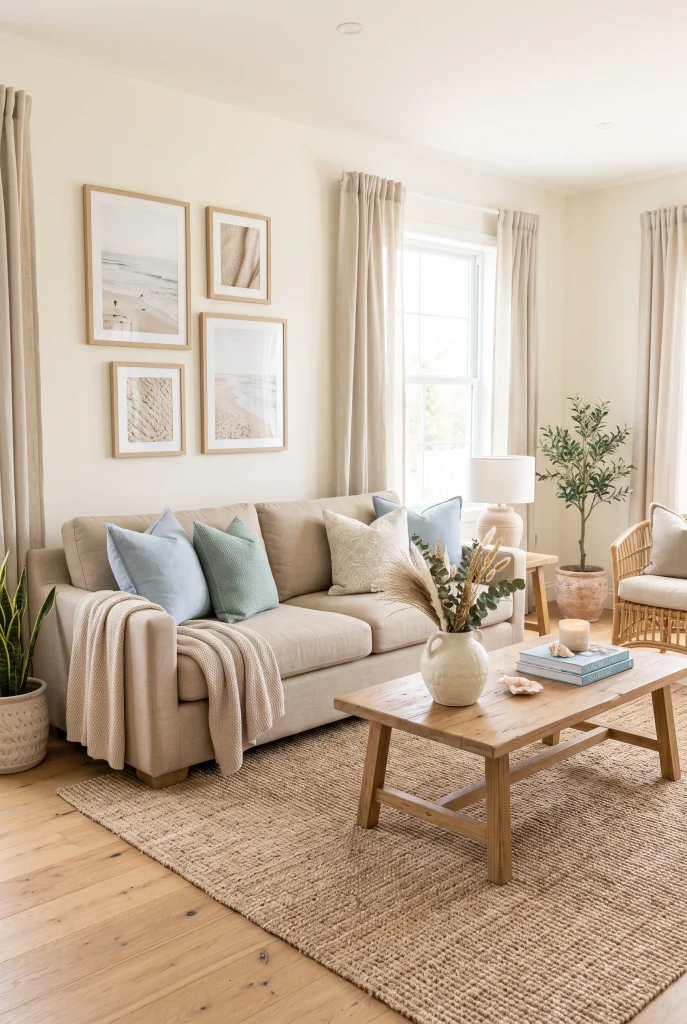
- Warm whites and sandy neutrals create an airy, relaxed foundation.
- Pale blue and seafoam accents bring in a subtle seaside feel.
- Natural wood adds warmth and keeps the palette from feeling too cool.
- Repeating one accent color in small details makes the room feel cohesive.
A breezy color palette can make a living room feel like a quiet coastal escape without looking themed or overly nautical. Start with warm white walls, then layer soft sandy beige, pale blue, and muted seafoam through the sofa, rug, pillows, and curtains. Natural wood keeps the room grounded and prevents the lighter colors from feeling cold. This approach works especially well in rooms with plenty of daylight, where pale tones can bounce light around the space. For a more polished finish, repeat one accent shade in several small details rather than using it everywhere.
The beauty of this palette is how easily it adapts to real homes and existing furniture. A beige sofa can stay in place while blue cushions, a faded striped rug, or a sea-glass vase introduce a relaxed seaside feeling. Choose slightly varied shades instead of matching everything perfectly, which gives the room a collected, natural look. Linen, cotton, jute, and lightly textured ceramics add depth without making the space busy. If your room receives little sunlight, warmer whites and sandy neutrals are especially helpful because they keep the coastal scheme welcoming throughout the day.
2. Natural Linen Sofa
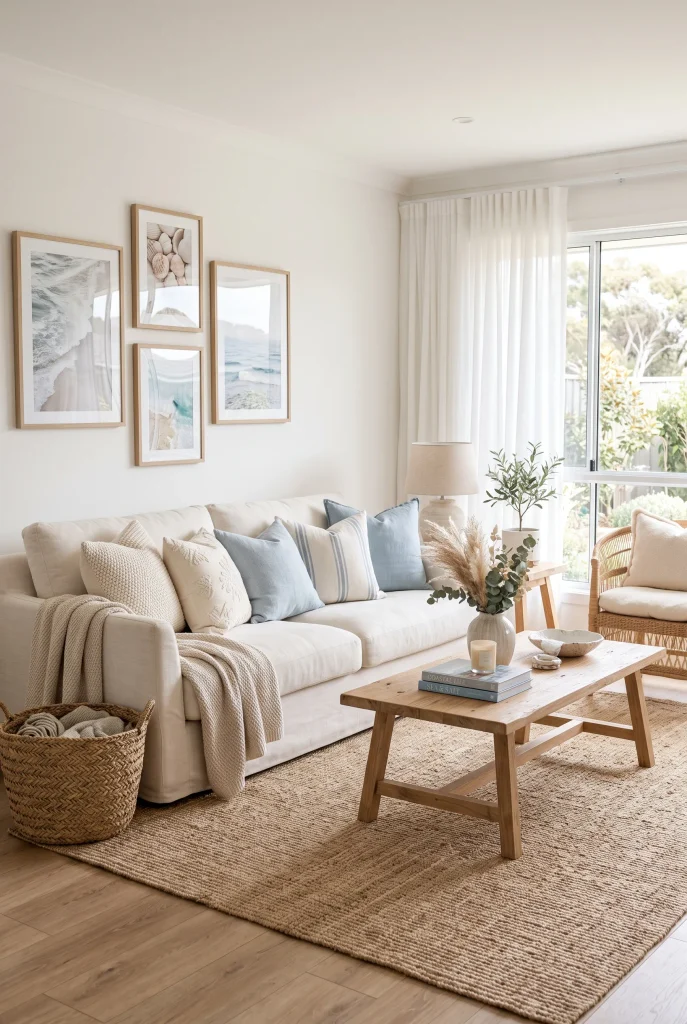
- A linen sofa instantly adds relaxed texture without looking overly casual.
- Ivory upholstery keeps the room bright and easy to style.
- Layered cushions create softness while introducing subtle coastal color.
- Choose a durable, washable fabric if the sofa will handle everyday family use.
A linen sofa can become the calm, comfortable anchor that pulls an entire coastal room together. Its naturally relaxed texture feels lighter than heavy upholstery and pairs beautifully with pale woods, woven materials, and soft blue accents. Choose an ivory, oatmeal, or warm white finish rather than stark white if you want the space to feel more inviting. A deeper seat and loose cushions can also make the room feel especially comfortable for everyday lounging. Keep the surrounding furniture simple so the sofa remains the visual centerpiece without making the room feel overly styled or formal.
The practical advantage of linen is its ability to bridge comfort and visual simplicity. Add two or three cushions in washed blue, cream, or subtle stripes, then place a soft throw over one arm for an effortless layered look. A textured rug underneath helps define the seating area while adding warmth underfoot. If you have children or pets, consider performance linen or removable covers for easier maintenance. The result is a living room that feels fresh and relaxed but still polished enough for guests, weekend gatherings, and quiet evenings at home.
3. Woven Texture Layers
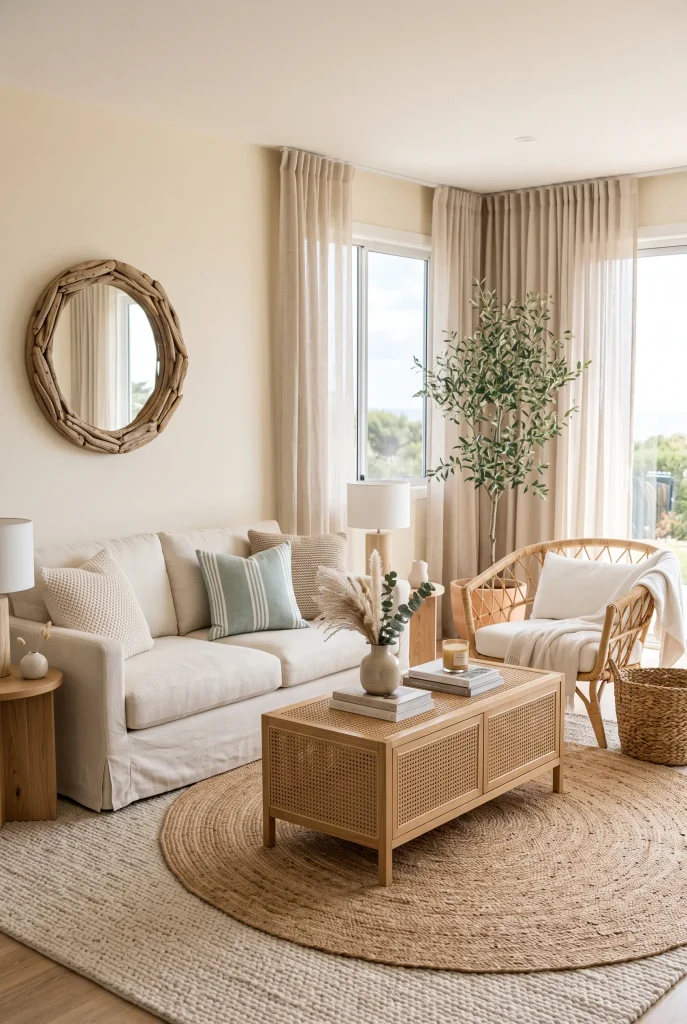
- Woven textures add depth to light coastal rooms without strong colors.
- Jute rugs and seagrass baskets introduce natural, beach-inspired character.
- Rattan furniture keeps the space visually light and breathable.
- Mixing several woven materials creates interest without requiring lots of decoration.
When a light coastal room feels a little flat, woven textures can add the missing layer of warmth and character. Start with a jute or sisal rug, then bring in rattan, cane, seagrass, or woven baskets through smaller pieces. These materials create gentle variations in texture that make pale walls and upholstery feel richer without adding visual clutter. A rattan accent chair beside the sofa or a woven basket near the coffee table can make a noticeable difference. The goal is not to fill every corner, but to place natural textures where the room needs more depth.
Mixing woven materials also helps a coastal space feel connected to nature rather than decorated around a single theme. Pair a chunky jute rug with a finer cane chair and a small seagrass basket for contrast. Keep the surrounding colors restrained with ivory, beige, light blue, and natural wood so the textures remain easy to notice. If the room already has several patterns, use simpler woven pieces to balance them. This combination works particularly well in open-plan homes because the repeated natural materials can visually connect the living area with nearby dining or kitchen spaces.
4. Blue Accent Chairs
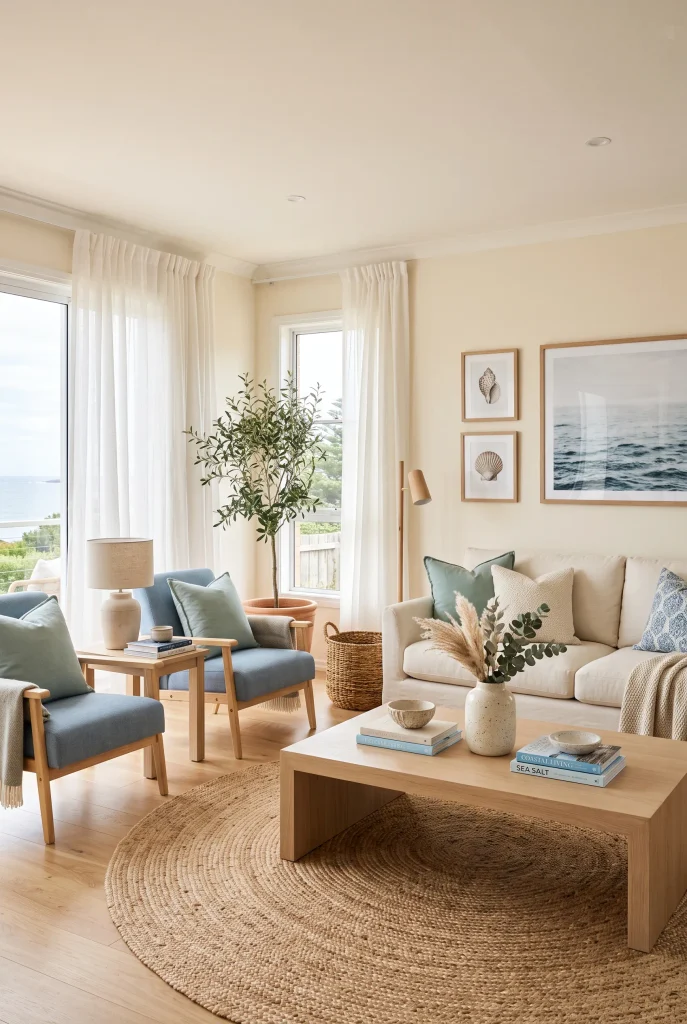
- Soft blue chairs create a noticeable coastal focal point.
- Their lighter tone keeps the room feeling open and relaxed.
- Pairing them with warm neutrals prevents the blue from becoming overwhelming.
- Position the chairs to encourage conversation and improve the seating layout.
A pair of blue accent chairs can bring coastal character into a living room without relying on obvious beach decorations. Choose muted shades such as dusty blue, powder blue, or soft ocean blue for a sophisticated look. Place the chairs opposite or slightly angled toward the main sofa to create a comfortable conversation area. Warm white walls and natural wood furniture help the blue stand out while keeping the overall palette balanced. This simple furniture change can also improve the room’s flow, especially when a large sofa alone makes the seating arrangement feel too heavy.
For smaller rooms, look for chairs with slim frames, open legs, or woven details that allow more of the floor to remain visible. This makes the seating area feel lighter while still adding personality. Keep the rest of the furnishings fairly understated, using linen, jute, rattan, or pale oak to reinforce the relaxed atmosphere. A small side table between the chairs can provide a useful surface for drinks or books. The finished space feels fresh and inviting, with enough color to create interest but not so much that the room loses its calm coastal character.
5. Rattan Coffee Table
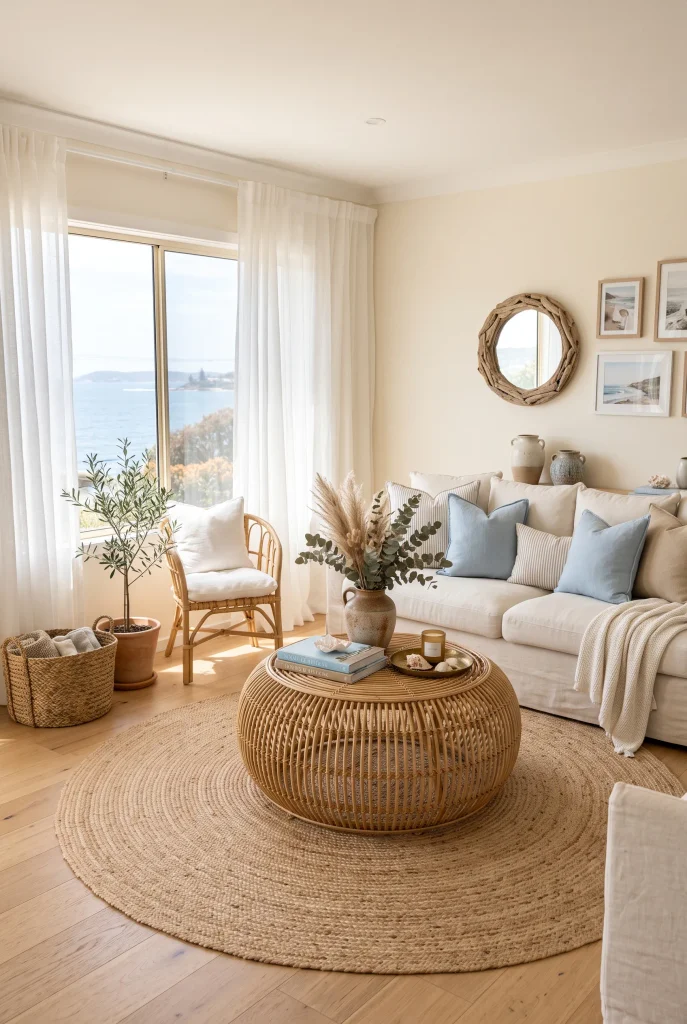
- Rattan brings natural warmth while keeping the furniture visually light.
- A rounded table can soften a room filled with straight furniture lines.
- The open weave adds texture without making the center of the room feel bulky.
- Choose a stable tabletop if the table will be used every day.
A rattan coffee table can instantly make a living room feel warmer, lighter, and more connected to natural coastal materials. Its woven surface adds visual texture without introducing another strong color, making it easy to pair with an ivory sofa, pale blue cushions, and neutral rugs. A rounded design works particularly well because it softens the sharper edges of sofas and chairs. In rooms where the furniture already feels substantial, an open woven base can create more breathing room. This keeps the center of the space practical while maintaining the airy quality associated with coastal interiors.
The table should also be large enough to serve the seating area without restricting movement around it. Leave comfortable walking space between the table and surrounding seating, especially in smaller living rooms. Style the surface with a simple ceramic bowl, a small stack of coffee-table books, or a low woven tray rather than covering every inch. Natural imperfections in rattan can actually enhance the relaxed look, so the piece does not need to appear perfectly uniform. Combined with linen, light wood, and woven accessories, it creates an easy foundation for many coastal living room ideas.
View: 17 Door Storage Ideas to Keep Your Home Clutter Free
6. Subtle Striped Textiles
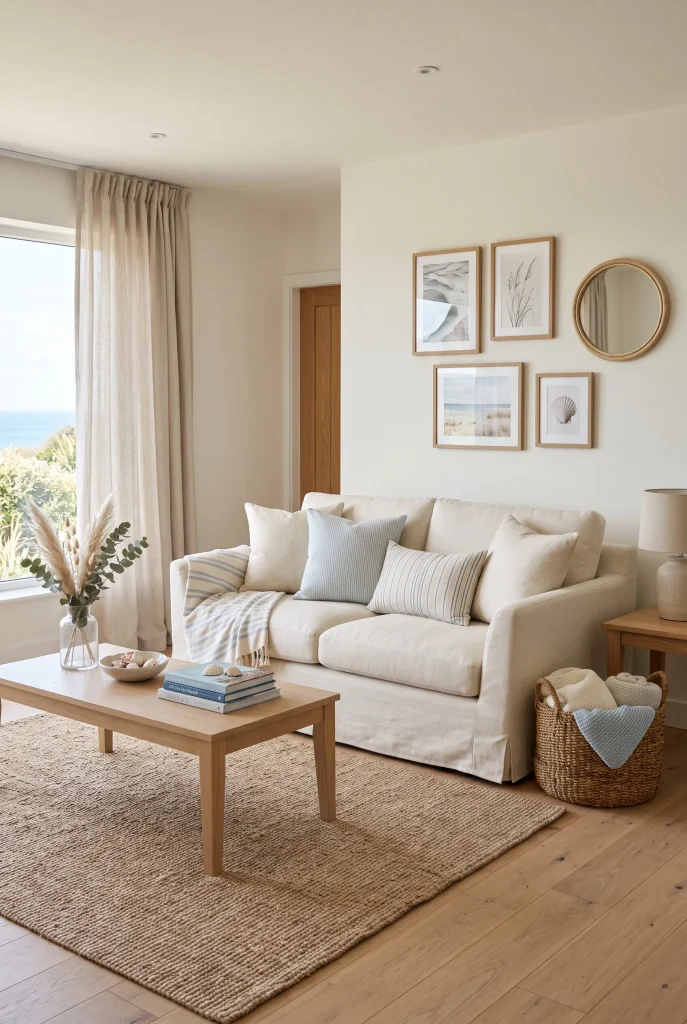
- Soft stripes add coastal personality without creating a nautical theme.
- Blue and cream stripes work naturally with neutral upholstery.
- Use different stripe widths to create subtle visual variation.
- Textiles are an easy way to refresh the room without replacing furniture.
Few patterns capture a relaxed coastal feeling as easily as simple stripes. Instead of bold navy-and-white nautical designs, choose soft blue, cream, beige, or faded gray stripes for a more modern appearance. Add them through cushions, throws, curtains, or a small upholstered stool so the pattern feels intentional rather than dominant. Mixing narrow and wider stripes can make the room look more collected and natural. This approach is especially useful when the main furniture is neutral because the textiles provide just enough pattern to keep the space visually interesting without overwhelming its calm atmosphere.
The key is to let stripes act as an accent rather than the entire design theme. If the sofa has several striped cushions, keep nearby accessories mostly solid and textured. Linen, cotton, jute, and rattan can balance the pattern beautifully while reinforcing the natural character of the room. For a subtle update, replacing only two or three cushions can completely change the feeling of an existing seating area. The finished look feels fresh and casual, while the restrained pattern keeps the space polished enough for everyday living and entertaining.
7. Driftwood Wall Decor
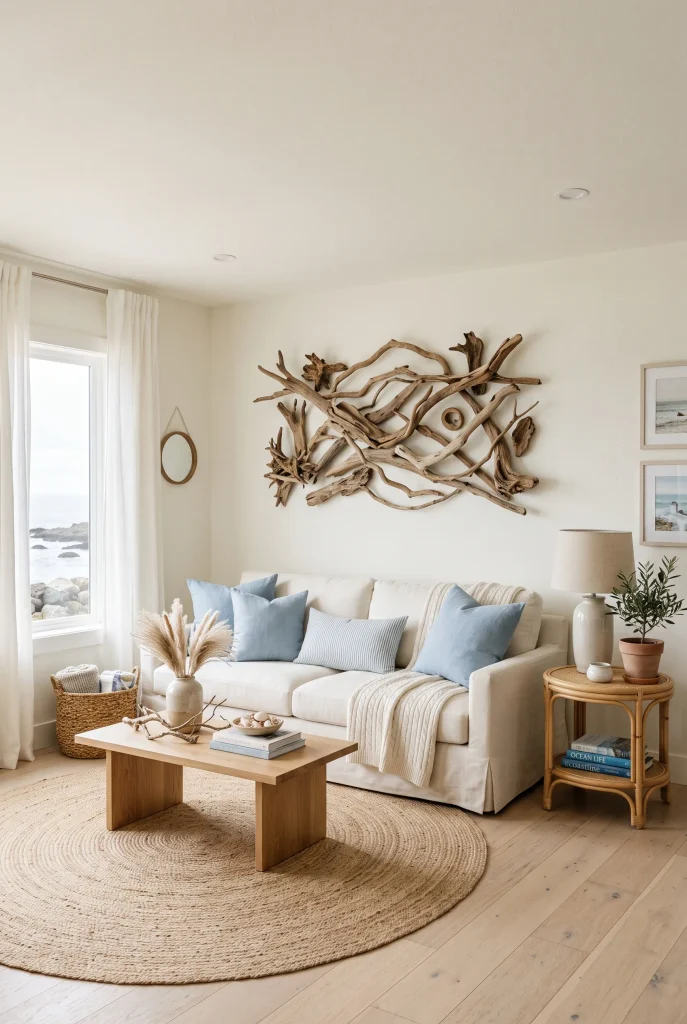
- Driftwood adds natural character without making the room feel overly themed.
- A sculptural arrangement creates an organic focal point above the sofa.
- Pale wood tones blend easily with beige, ivory, and soft blue.
- Keep the arrangement simple so the natural shape remains the main feature.
A piece of driftwood can bring an understated coastal touch to a blank wall while keeping the overall room sophisticated. Look for naturally weathered wood with soft gray, beige, or sandy tones, then display it above the sofa, console, or fireplace. Its irregular shape adds movement to an otherwise orderly room and creates a connection to natural seaside textures. Pairing it with an ivory sofa and pale wood furniture keeps the composition cohesive. Unlike obvious beach signs or themed artwork, driftwood feels organic and decorative enough to work with many modern coastal interiors.
Placement matters because the natural shape can easily become lost if surrounded by too many accessories. Give the piece enough empty wall space to stand out, especially when the arrangement has an unusual silhouette. A simple pair of ceramic vessels or woven baskets nearby can reinforce the material without competing for attention. Secure heavier pieces properly, particularly when hanging them above seating. For renters, a smaller driftwood sculpture can sit on a shelf or console instead. The result is a relaxed focal point that adds texture, warmth, and personality without making the room feel cluttered.
8. Seagrass Storage Baskets
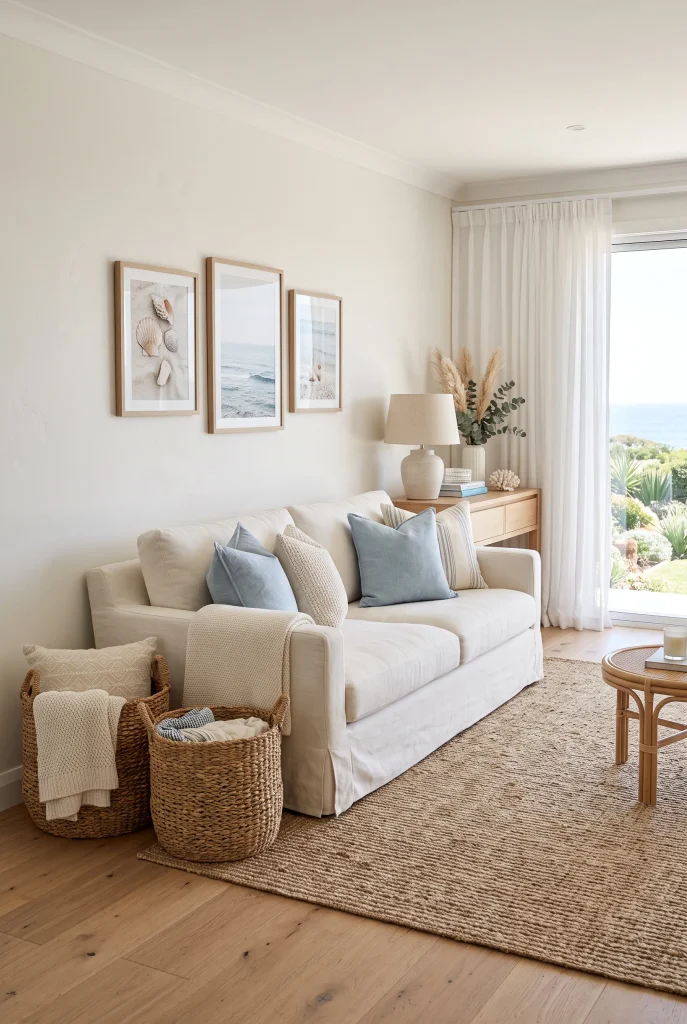
- Seagrass baskets hide everyday clutter while adding natural texture.
- Large baskets work well beside sofas for blankets and extra cushions.
- Smaller versions can organize books, toys, or remote controls.
- Matching natural materials help open shelving feel calmer and more cohesive.
Beautiful rooms still need practical storage, and seagrass baskets offer an easy way to hide the everyday items that can make a living room look messy. Place a large basket beside the sofa for blankets, pillows, or magazines, or use smaller baskets underneath a console for less attractive essentials. Their warm woven texture works naturally with linen upholstery, pale wood, jute rugs, and soft blue accents. This is one of those simple additions that improves both appearance and function, especially in homes where the living room needs to handle several activities.
Choose baskets in slightly varied shapes and sizes instead of making every piece identical. A tall basket can fill an empty corner, while a wider version works neatly beneath a console or side table. Leave some breathing room around each basket so the woven texture remains visible. Storage works best when it is placed exactly where clutter tends to collect, rather than hidden somewhere inconvenient. When useful storage is within easy reach, blankets, toys, and small accessories are much easier to put away, helping the room stay relaxed and organized.
9. Ocean Inspired Artwork
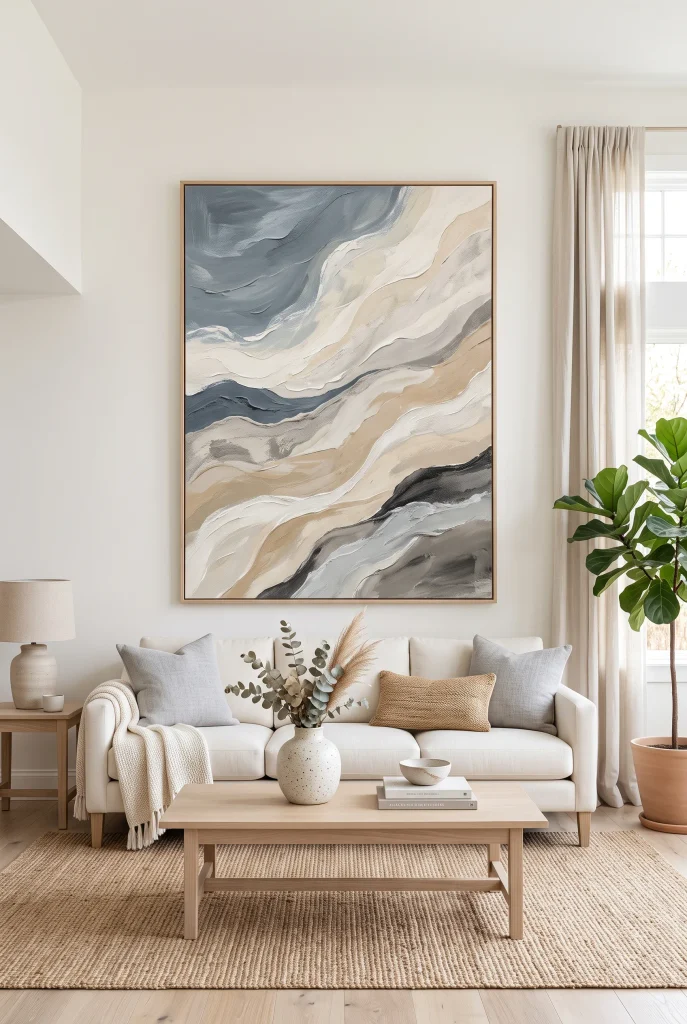
- Abstract ocean artwork introduces coastal color without literal beach imagery.
- Large artwork can anchor a sofa and fill a wide empty wall.
- Muted blues and sandy tones connect naturally with the room’s palette.
- Choose artwork with visible texture for added depth and visual interest.
Ocean-inspired artwork can give a living room a strong coastal identity without turning the space into a collection of beach souvenirs. Look for abstract pieces that suggest waves, water, sand, or shifting horizons through muted blue, cream, gray, and beige tones. A large canvas above the sofa can create an immediate focal point and visually anchor the seating area. This works especially well when the rest of the room uses simple furniture because the artwork adds movement and color without requiring many additional decorations. Keep the frame understated so the artwork remains the main attraction.
For a softer effect, choose artwork with hazy shapes and layered brushwork rather than sharp, highly saturated colors. The goal is to suggest the feeling of the coast rather than reproduce a literal ocean scene. If the room already has blue cushions or striped textiles, repeat one or two tones from the artwork to create visual continuity. A textured canvas can also add dimension to smooth walls. The finished arrangement feels calm and intentional, while the artwork gives the room enough personality to prevent a neutral palette from appearing plain or unfinished.
10. Linen Window Treatments
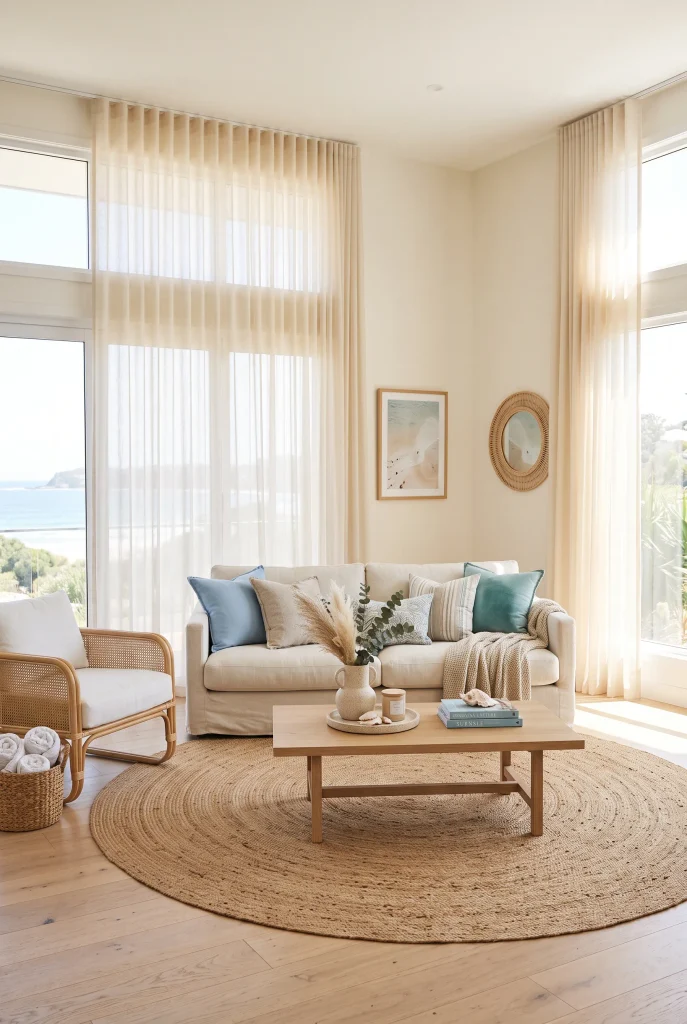
- Sheer linen curtains soften strong sunlight while keeping the room bright.
- Floor-length panels make windows appear taller and more elegant.
- Warm ivory fabric complements sandy neutrals and pale blue accents.
- Natural texture adds softness without making the windows visually heavy.
The right window treatment can make a coastal living room feel noticeably lighter and more relaxed. Floor-length linen curtains in warm white, ivory, or oatmeal gently filter sunlight while preserving the bright atmosphere that makes this style so appealing. Hang the panels slightly above the window frame and let them reach the floor for a taller, more polished appearance. Sheer or lightweight linen works especially well in sunny rooms because it softens harsh daylight without blocking it completely. The subtle texture also adds depth to otherwise simple walls and keeps the space from feeling overly plain.
For everyday practicality, choose washable or easy-care fabric when possible, particularly around frequently used windows or doors. Keep the curtain hardware simple, using finishes such as brushed brass, matte black, or natural wood depending on the rest of the room. Avoid overly gathered fabric if you want a clean contemporary look. When paired with an ivory sofa, woven rug, and pale timber furniture, linen curtains create a soft frame around the room. They can also make the entire seating area feel more connected to outdoor light, greenery, and fresh air.
11. Pale Wood Furniture
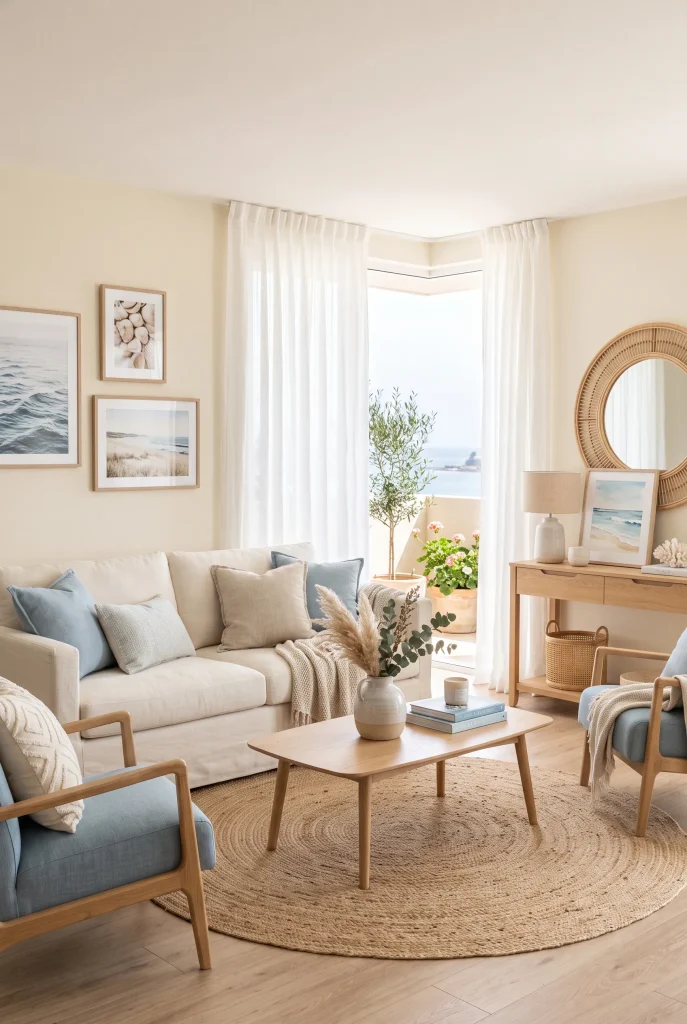
- Pale wood keeps furniture feeling light and naturally coastal.
- Oak and ash tones add warmth without overpowering softer colors.
- Mixing wood grains prevents the room from looking overly coordinated.
- Choose furniture with simple silhouettes for a cleaner, more spacious appearance.
Pale wood furniture gives a coastal living room warmth while preserving its bright and open character. Light oak, ash, and natural timber work beautifully with ivory upholstery, sandy textiles, and soft blue accents. Instead of using several dark wooden pieces that can visually weigh down the room, choose lighter finishes for the coffee table, console, or side tables. The natural grain provides subtle pattern and texture, which can make a neutral space feel more interesting. Simple silhouettes are especially effective because they keep the furniture practical without competing with other coastal-inspired details.
You do not need every wooden piece to come from the same collection. Slight differences in grain, tone, and finish can make the room feel more relaxed and naturally assembled. Pair a pale oak coffee table with a slightly warmer console or a small raw-wood stool for gentle variation. If the room has plenty of cool blue tones, warmer wood can prevent the palette from feeling chilly. Keep finishes relatively matte rather than highly polished for a softer appearance. The result is comfortable, understated, and easy to maintain as your decor evolves.
12. Layered Jute Rugs
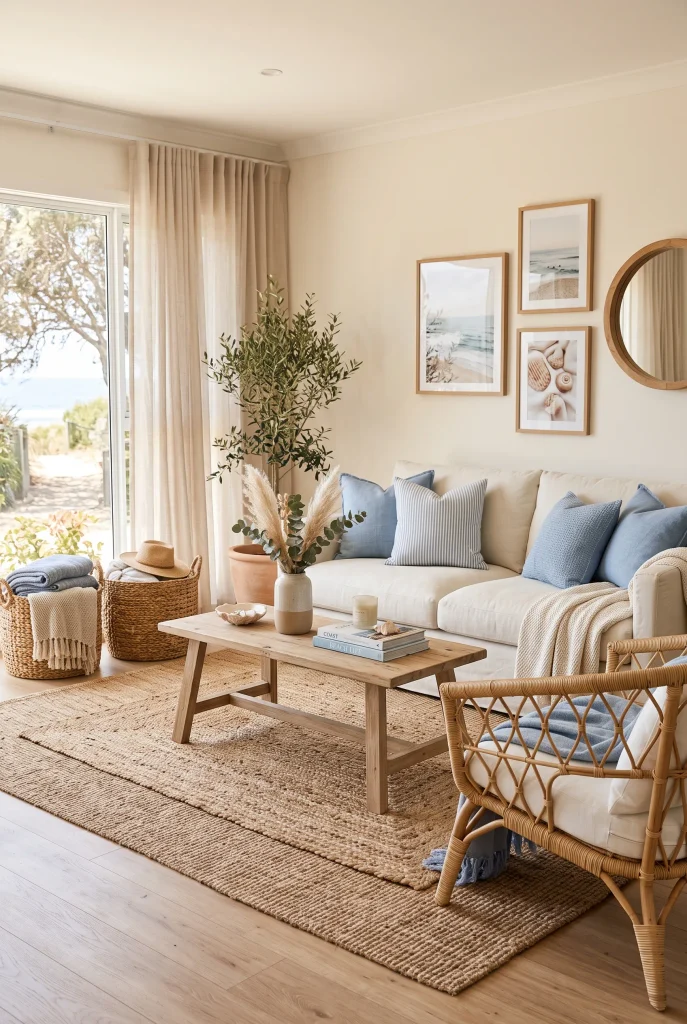
- Layered jute rugs add warmth and dimension beneath light furniture.
- Natural fibers reinforce the relaxed coastal connection to the outdoors.
- Combining different weaves creates texture without introducing busy patterns.
- A larger base rug can help define an open seating area.
A layered rug arrangement can give a coastal living room the warmth it needs without sacrificing its airy appearance. Start with a larger natural-fiber rug in jute or sisal, then place a smaller textured rug over part of it to create subtle dimension. The combination works beautifully beneath an ivory sofa and pale wood coffee table because the earthy fibers balance the room’s lighter colors. In open-plan spaces, a generous rug can also visually define the seating area, making the furniture arrangement feel more intentional without requiring walls or bulky dividers.
Keep the color differences between the rugs relatively subtle so the layering looks relaxed rather than busy. Natural beige, oatmeal, cream, and soft tan tones are easy to combine with coastal palettes. Make sure the top rug is positioned securely and does not create a tripping edge around frequently used pathways. A low-pile woven design is often easier to maintain in high-traffic areas. The finished effect adds softness underfoot, visual depth, and a welcoming natural texture that supports the relaxed character of the entire room.
13. Seashell Accent Decor
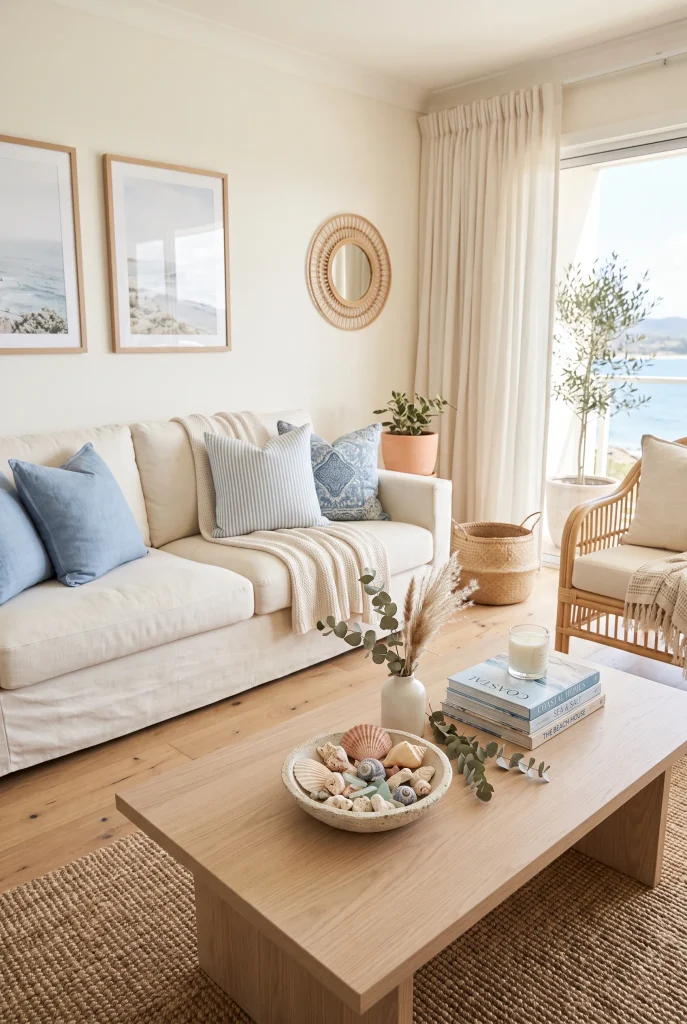
- Small shell accents add a recognizable coastal touch without overwhelming the room.
- Displaying a few pieces together looks more intentional than scattering them around.
- Natural shells work beautifully with ceramic, wood, and woven textures.
- Keep the styling restrained for a sophisticated rather than themed appearance.
A few carefully chosen seashells can bring a gentle seaside reference into the living room without making the decor feel overly literal. Instead of covering shelves with shells, place a small collection in a shallow ceramic bowl, glass vessel, or natural wooden tray. Their soft ivory, cream, and sandy tones blend naturally with neutral furniture and woven textures. This approach works particularly well when you want the room to suggest the coast rather than announce it. The small details become pleasant discoveries that add personality while keeping the overall design calm and polished.
Think of shells as finishing touches rather than the foundation of the room. Choose naturally varied shapes and sizes, then display them where they can be appreciated without creating clutter. A coffee table, console, or open shelf usually provides enough space for a small arrangement. Pair the shells with simple ceramics, a linen-covered book, or a small piece of driftwood for added texture. Avoid combining too many overtly nautical accessories in the same area. A restrained approach keeps the room feeling contemporary and allows the natural materials to provide the coastal connection.
14. Weathered Wood Accents
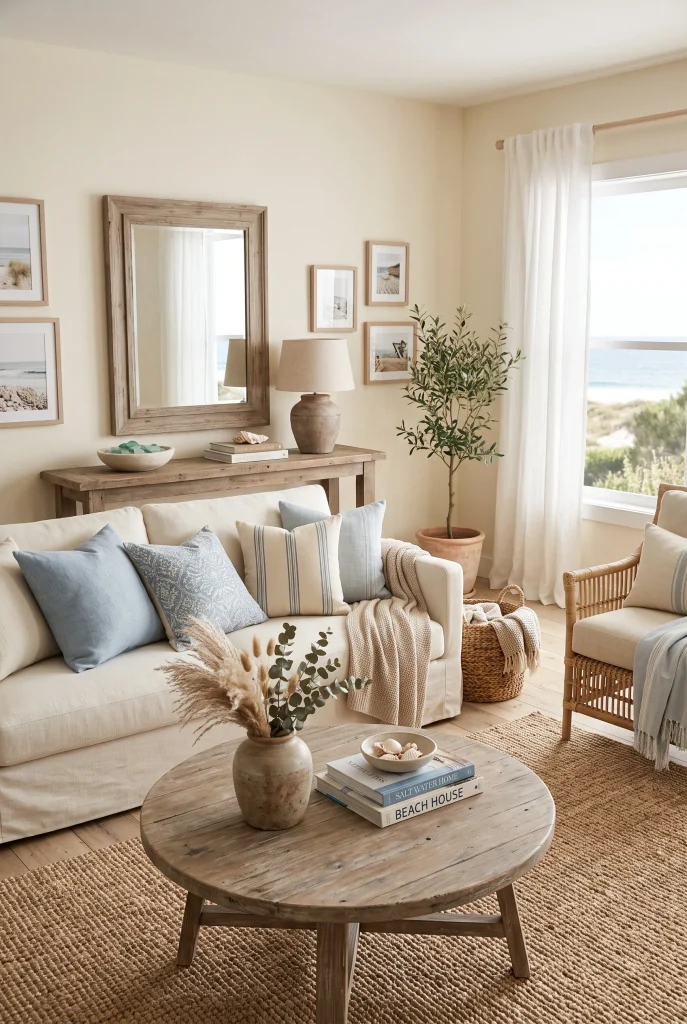
- Weathered wood introduces character and a naturally aged appearance.
- Soft gray and sandy wood tones complement coastal neutrals.
- Reclaimed pieces can make newer furniture feel less showroom-perfect.
- Use one or two aged accents to create balance without making the room rustic.
Weathered wood can give a coastal living room the relaxed character of a well-loved beach house. Look for pieces with naturally faded finishes, visible grain, or soft gray and sandy undertones. A reclaimed console, small side table, or wooden stool can introduce this texture without changing the entire furniture scheme. The aged surface works especially well beside smooth linen upholstery and woven rugs because the contrast creates depth. Instead of making the room look rustic, carefully chosen weathered wood can make newer pieces feel warmer, more relaxed, and less perfectly coordinated.
The best results usually come from mixing old-looking materials with cleaner contemporary shapes. For example, pair a weathered console with streamlined ceramic lamps or place a reclaimed stool beside a simple linen sofa. This keeps the design fresh while allowing the wood to provide visual character. Avoid using heavily distressed finishes on every surface because too much aging can make the room feel themed. One strong piece is often enough. Natural variations, knots, and imperfections are part of the appeal, helping the space feel collected rather than decorated all at once.
15. Soft Coastal Lighting
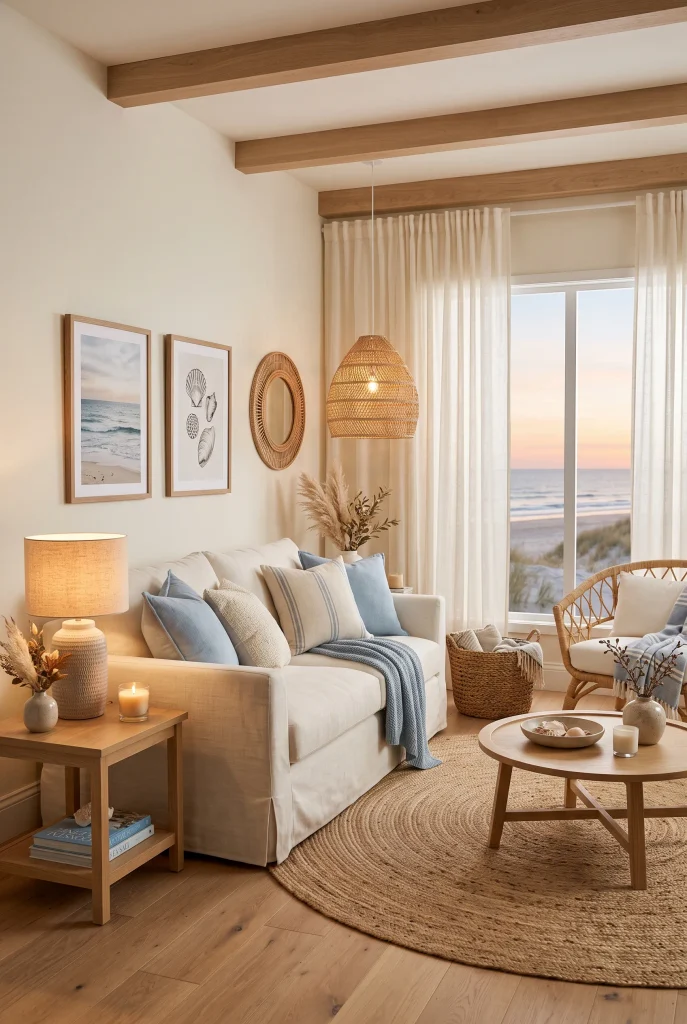
- Warm lighting makes pale coastal colors feel inviting after sunset.
- Woven lampshades add natural texture while softly diffusing light.
- Multiple light sources create a more comfortable layered atmosphere.
- Use warm bulbs rather than cool white light for a softer evening mood.
Good lighting can completely change how a coastal living room feels once the sun goes down. During the day, let natural light remain the main feature, but add warm table lamps, floor lamps, or a woven pendant for evening use. Light through rattan, cane, or linen shades creates gentle shadows that complement the room’s natural textures. Rather than relying on one bright ceiling fixture, spread several softer sources around the seating area. This creates a welcoming glow and makes pale furniture, woven materials, and soft blue accents feel warmer and more dimensional.
Place a floor lamp beside the sofa for reading, then add a smaller lamp on a console or side table to balance the opposite side of the room. Keep bulbs in a warm range so the ivory and sandy tones do not appear cold at night. Dimmers are especially useful because they let you shift from brighter everyday lighting to a relaxed evening setting. The goal is a room that feels bright and fresh during the day but equally comfortable after dark, when the coastal palette takes on a softer, more intimate character.
16. Blue Glass Accents
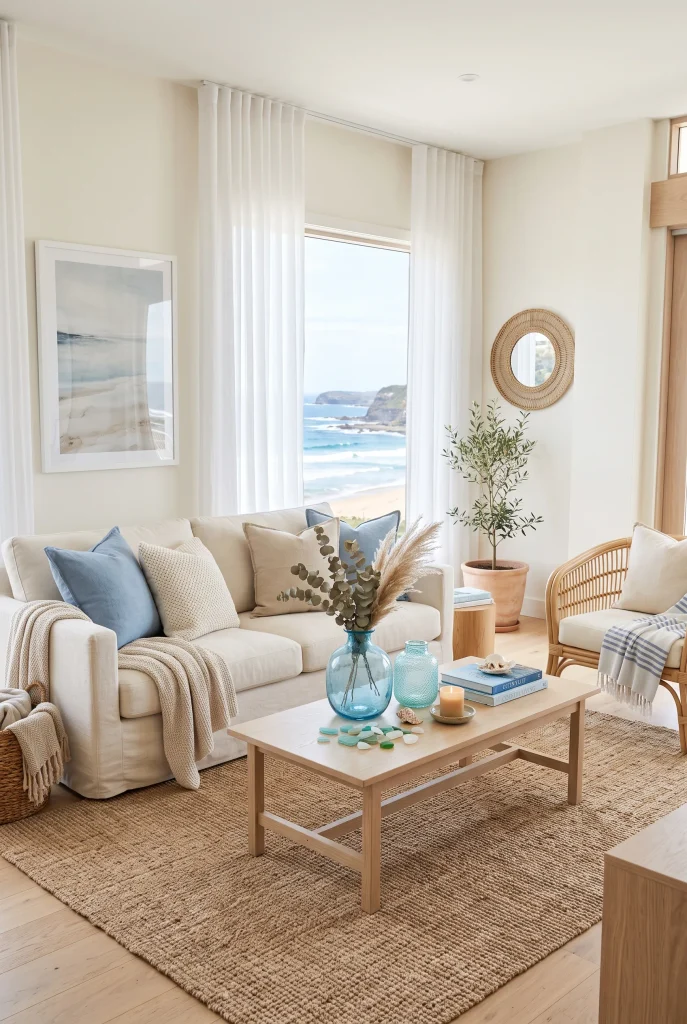
- Blue glass adds coastal color without making the room feel heavy.
- Translucent surfaces catch daylight and create subtle visual sparkle.
- Sea-glass tones pair beautifully with ivory, beige, and pale wood.
- Group a few pieces together for a more intentional display.
Blue glass accents are an easy way to introduce an ocean-inspired color while keeping the room light and sophisticated. Choose translucent vases, decorative bottles, candleholders, or small bowls in muted aqua, seafoam, or dusty blue. When sunlight passes through the glass, it creates delicate reflections that make the space feel brighter and more layered. Place these pieces on a coffee table, console, or open shelf where natural light can reach them. Their cool tones balance warm wood and sandy textiles, creating the relaxed color contrast often associated with coastal interiors.
Avoid filling every surface with blue accessories because the effect can quickly become too coordinated. Instead, group two or three glass pieces in slightly different shapes or shades, then leave plenty of surrounding space. A simple ceramic bowl or natural wood tray can ground the arrangement. If your room already has blue cushions or artwork, repeat a similar tone in just one glass piece to create visual continuity. This small update can refresh existing furniture without requiring a major redesign, making it a practical option when you want a subtle coastal transformation.
17. Natural Fiber Pendant
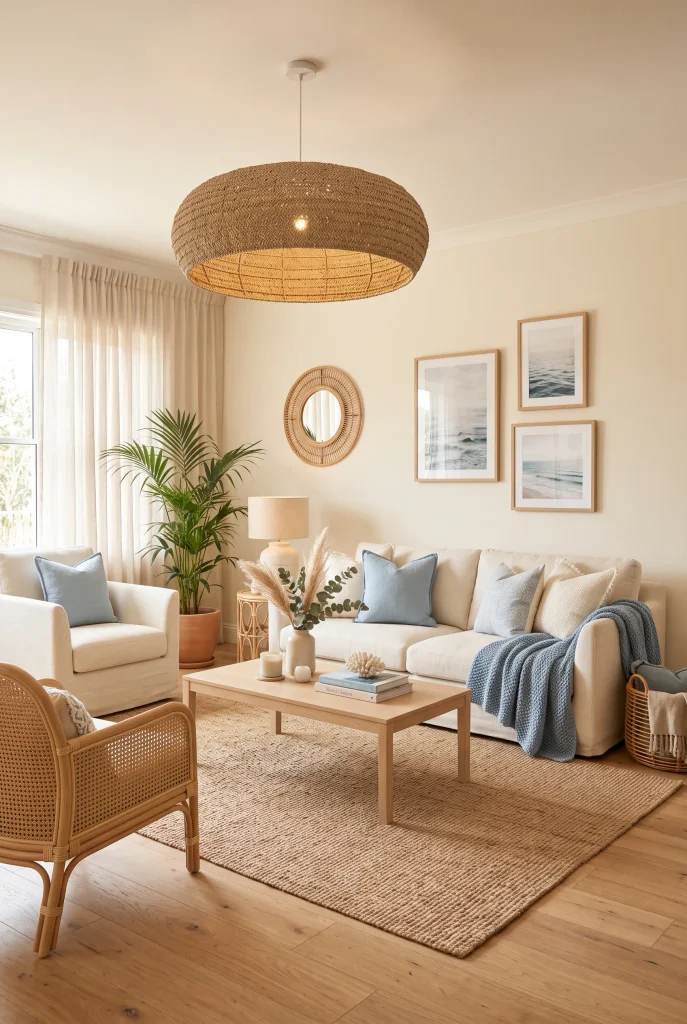
- A woven pendant creates a strong focal point above the seating area.
- Natural fibers add warmth and texture overhead.
- An open weave keeps the fixture from looking visually heavy.
- Choose a proportional size that complements the room without dominating it.
A natural-fiber pendant can bring the coastal look upward, adding texture to an area that is often overlooked. Rattan, wicker, bamboo, and woven grass shades create beautiful patterns when light passes through them, making the fixture both functional and decorative. Hang a larger pendant above the central seating area or choose a smaller version for rooms with lower ceilings. Its organic material pairs naturally with linen, jute, pale wood, and seagrass, helping the different textures throughout the room feel connected rather than randomly selected.
Scale is important when choosing a pendant because an undersized fixture can disappear above substantial furniture. Measure the room and seating area before selecting the shade, and make sure the bottom sits at a comfortable height for the space. A warm bulb will enhance the natural fibers and create a softer evening atmosphere. Keep nearby ceiling decor minimal so the pendant remains the visual focus. With the right proportions, this single fixture can add architectural interest, practical illumination, and a relaxed beach-house character without relying on excessive coastal accessories.
18. Airy Open Layout
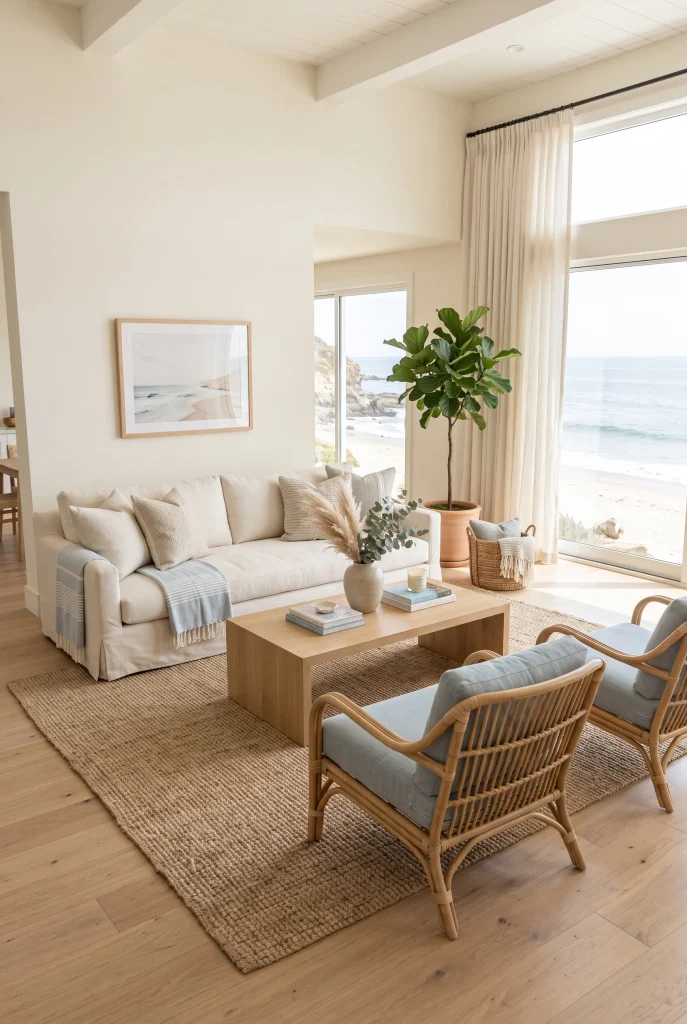
- Open spacing makes the room feel breezy and naturally relaxed.
- Clear walking paths improve everyday movement and comfort.
- Floating furniture can make a larger room feel more balanced.
- Keep visual clutter low so the open layout remains easy to appreciate.
An airy furniture arrangement can make even an ordinary living room feel more open, relaxed, and connected to its surroundings. Instead of pushing every piece against the walls, consider floating the sofa on a generously sized rug and positioning chairs around it. This creates a defined conversation area while leaving clear pathways around the furniture. Keep the center of the room relatively uncluttered so light can move visually across the space. The result feels less crowded and more like the breezy, comfortable atmosphere people naturally associate with a coastal home.
Before moving furniture, measure the room and mark the main walking routes you use every day. Leave enough space between the coffee table and seating for comfortable movement, and avoid blocking doors or windows. If the room is small, choose furniture with exposed legs and slimmer profiles to preserve a sense of openness. In larger spaces, a generously sized rug can visually unite separate seating pieces. This approach is less about buying new decor and more about using what you already have thoughtfully, which can make a surprisingly noticeable difference in the finished room.
19. Nautical Rope Details
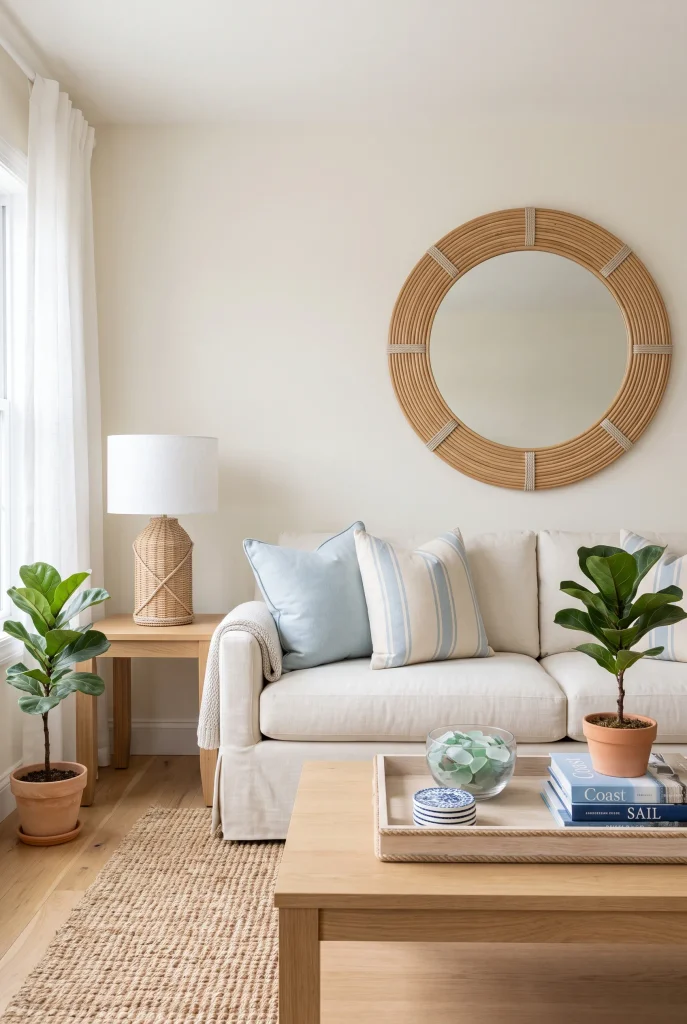
- Rope details add a subtle maritime reference without dominating the room.
- Natural tan fibers work beautifully with warm neutral palettes.
- Small rope accents can make existing furniture feel more coastal.
- Use only a few details to keep the design sophisticated.
Nautical rope can add a recognizable coastal detail while keeping the room far from an overly themed beach-house look. Instead of using rope on every accessory, introduce it through one or two thoughtful pieces, such as a mirror frame, lamp base, curtain tieback, or decorative tray. Its natural tan color works especially well with ivory upholstery, pale blue textiles, and light wood. The texture also adds interest to smooth surfaces, helping a neutral room feel more layered. Small maritime references often feel more sophisticated when they are discovered gradually rather than displayed everywhere.
Balance is especially important with nautical details because too many can quickly make the room feel like a themed vacation rental. Pair rope with other natural materials such as rattan, linen, jute, and weathered wood to create variety. A rope-framed mirror above a console can be enough to establish the connection without adding anchors, ship wheels, or oversized coastal signs. Choose sturdy, well-finished pieces for everyday use rather than purely decorative items when possible. This keeps the design practical while giving the room a relaxed seaside character that still feels appropriate for daily living.
20. Relaxed Slipcovered Sofa
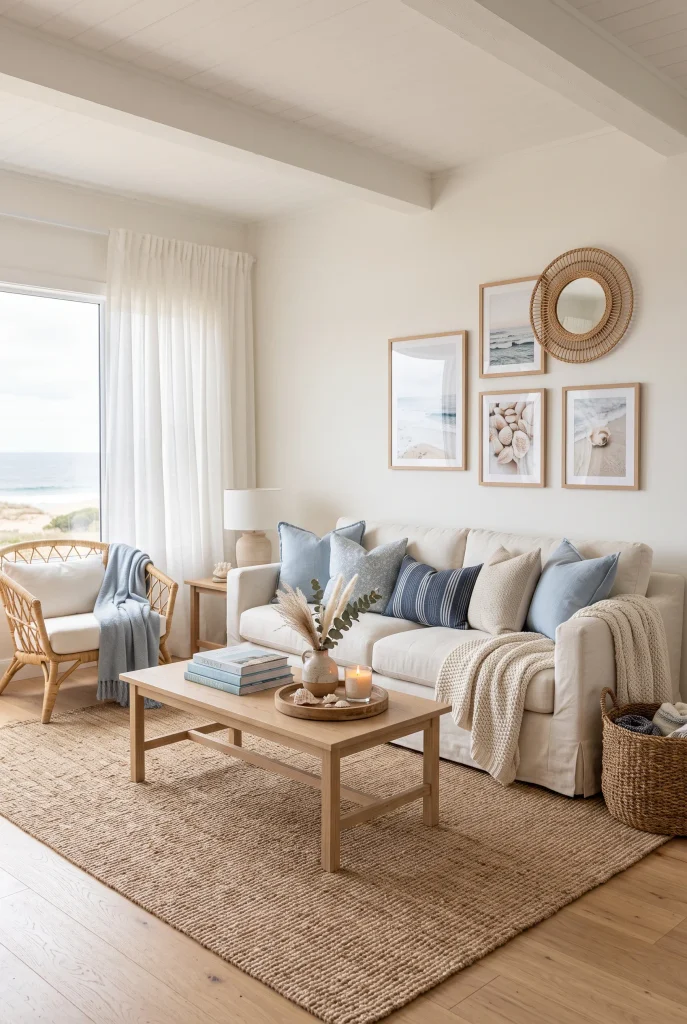
- Slipcovers create an intentionally relaxed and comfortable appearance.
- Ivory fabric keeps the seating area bright and versatile.
- Removable covers can make everyday maintenance much easier.
- Layer cushions and throws to soften the structured shape of the sofa.
A slipcovered sofa brings an effortless, lived-in quality that fits beautifully into a relaxed coastal living room. Choose a warm ivory, cream, or oatmeal cover with a slightly loose fit so the sofa feels comfortable rather than overly formal. The soft upholstery pairs naturally with woven rugs, pale wood, and blue accents, creating a cohesive foundation without requiring complicated styling. This type of sofa is particularly useful for homes where the living room needs to look inviting but also handle everyday lounging, movie nights, guests, and occasional spills.
The practical benefit is just as appealing as the appearance. Removable covers make it easier to refresh the sofa when life gets messy, and many styles allow you to replace or wash covers as needed. Add cushions in different textures and muted coastal colors, then place a lightweight throw over one arm for an easy finishing touch. Avoid making the cushions too perfectly arranged because a slightly relaxed setup suits the style better. The finished seating area feels welcoming and comfortable while maintaining the clean, bright character that defines modern coastal spaces.
21. Coastal Gallery Wall
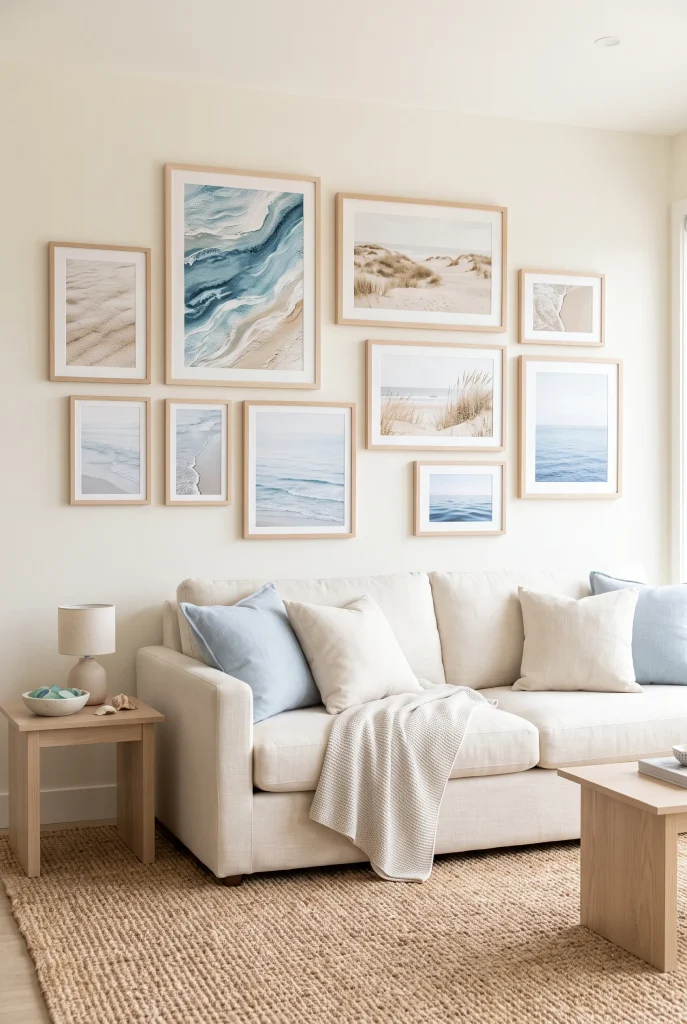
- A gallery wall adds personality while keeping coastal colors consistent.
- Natural wood frames reinforce the room’s warm organic materials.
- Mix artwork sizes for a relaxed collected appearance.
- Leave enough visual space between pieces so the arrangement feels intentional.
A coastal gallery wall can turn a plain living room wall into a personal focal point without relying on predictable beach-themed signs. Combine abstract ocean artwork, soft landscape prints, botanical illustrations, and subtle photography using a restrained palette of blue, cream, beige, and sandy gray. Natural wood frames can tie the collection into pale furniture and woven accessories. Varying the artwork sizes creates a more relaxed appearance, while keeping the colors connected prevents the arrangement from looking random. This is an excellent way to add personality while maintaining a calm overall design.
Plan the arrangement on the floor before putting anything on the wall. Start with the largest piece, then build outward using smaller artwork while keeping the spacing relatively consistent. If your room already has several patterns, choose simpler prints with generous areas of negative space. For a smaller living room, a compact three- or five-piece arrangement can provide the same effect without overwhelming the wall. The finished display feels collected over time rather than purchased as a matching set, giving the room warmth and individuality while still supporting its relaxed coastal atmosphere.
Conclusion
A coastal living room should feel fresh, comfortable, and naturally inviting rather than overly decorated. From soft blue accents and linen furniture to woven textures, pale wood, and ocean-inspired artwork, each detail can help create that relaxed beach-house atmosphere. The best coastal living room ideas are often the simplest because they combine practical comfort with an airy, timeless look. Save this post on Pinterest so you can return to your favorite ideas when you are ready to refresh your space. Try one small change first, then build from there. Share this inspiration with someone who loves a relaxed coastal home.