21 Living Room Furniture Ideas to Make Your Space Luxe
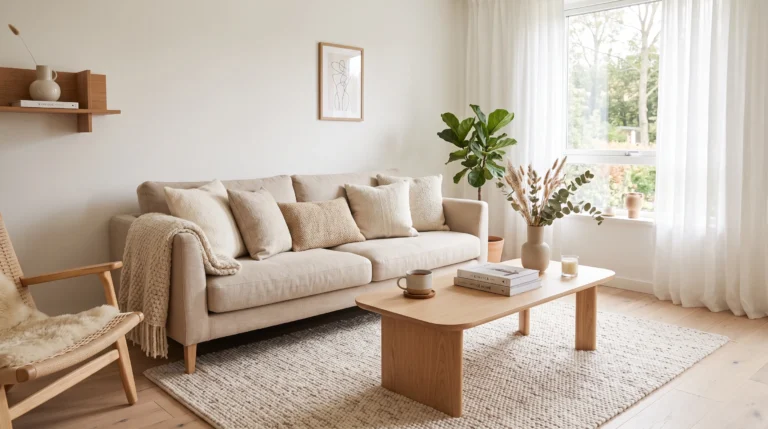
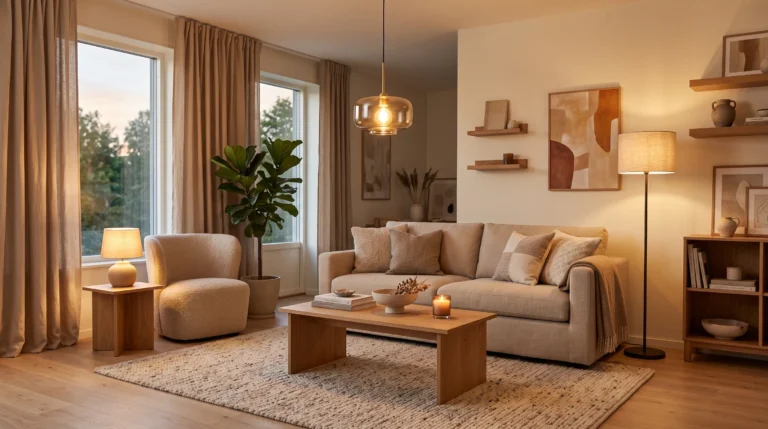
Your living room can feel expensive without an expensive furniture makeover. The right pieces, proportions, and layout can completely change the way the space looks and feels. These living room furniture ideas will help you create a room that feels polished, comfortable, and beautifully put together without making it look overly decorated.
From plush sofas and sculptural chairs to natural wood, marble accents, and smart storage, small furniture choices can have a surprisingly big impact. The goal is not to fill every corner. It is to choose pieces that work together, leave enough breathing room, and make everyday living more comfortable. Thoughtful furniture placement often makes a bigger difference than simply buying more decor. Explore these ideas for inspiration, then choose the ones that fit your space, lifestyle, and personal style.
1. Curved Bouclé Sofa
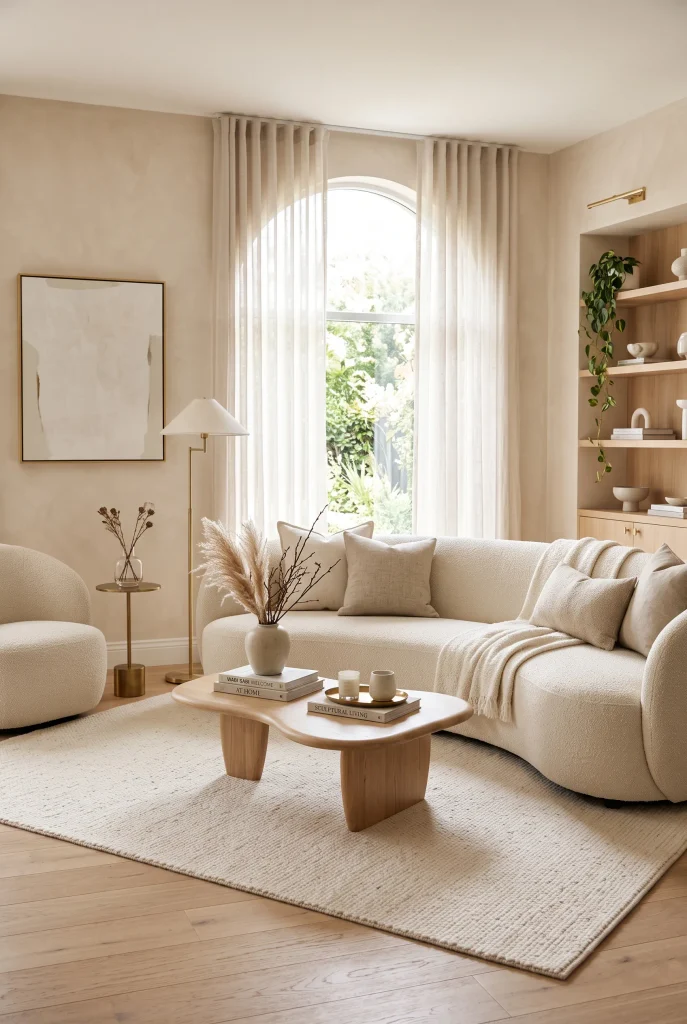
- A curved sofa instantly softens the room’s overall look.
- Bouclé adds texture without making the space feel busy.
- Rounded furniture works especially well in open-plan living rooms.
- Keep surrounding pieces simple so the sofa remains the focal point.
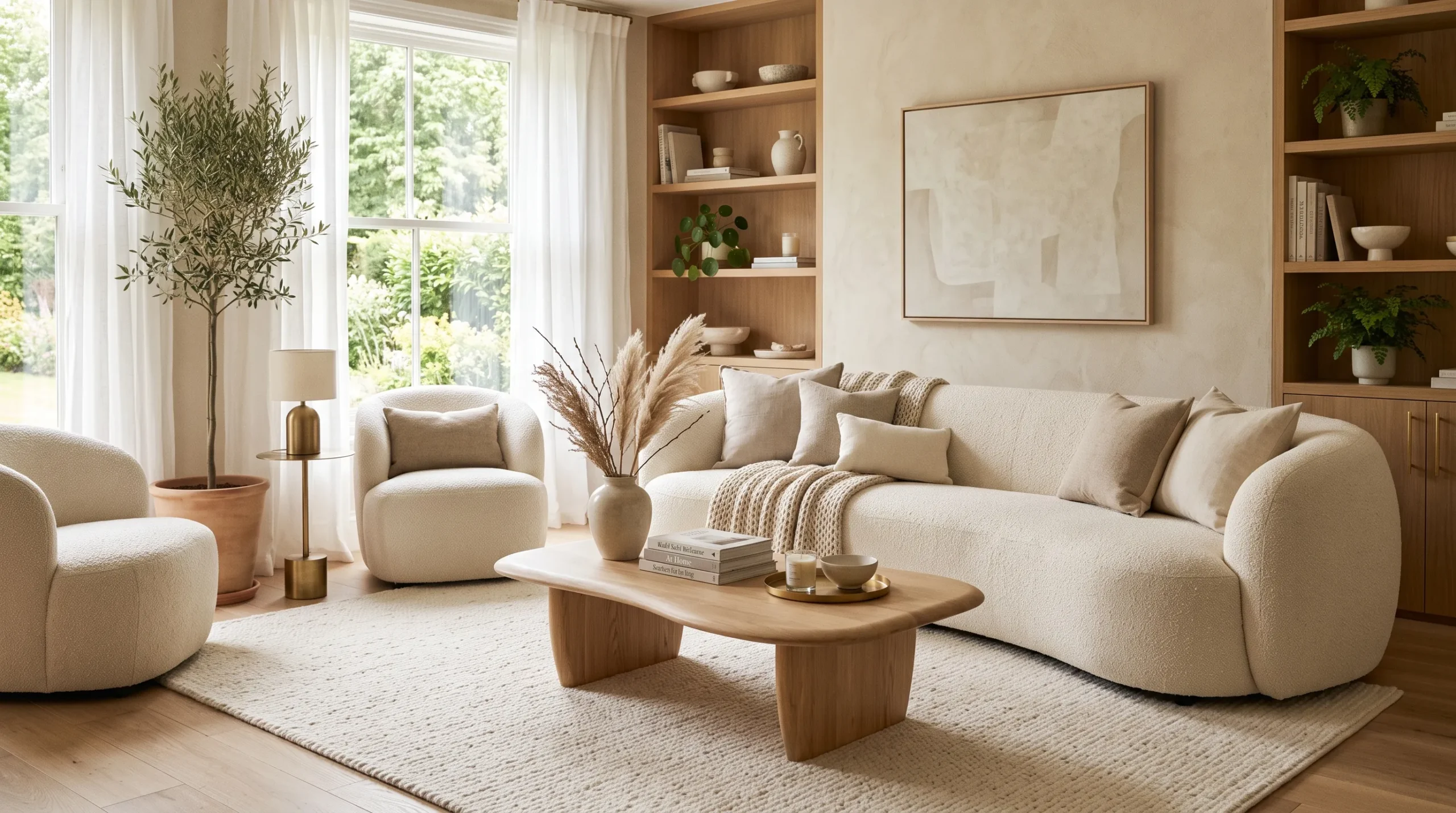
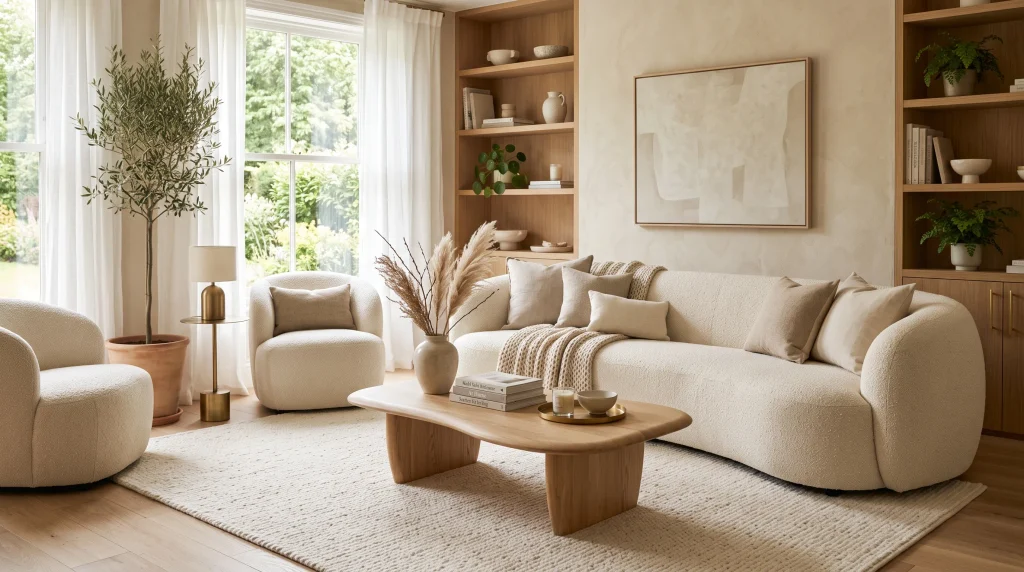
A curved bouclé sofa can make an ordinary living room feel instantly more polished. Its rounded silhouette creates a softer visual flow than a traditional boxy couch, while the textured upholstery adds depth without overwhelming the room. Pair it with a low-profile coffee table and a generously sized neutral rug to keep the proportions balanced. Curved seating works especially well when you want a room to feel inviting but still refined. Leave enough space around the sofa for easy movement, and avoid filling every corner with furniture so the shape remains visually important.
For an elevated finish, choose creamy white, oatmeal, or warm beige upholstery and layer it with cushions in slightly different textures. A sculptural side table or rounded floor lamp can echo the sofa’s shape and make the arrangement feel intentional. Light oak flooring, linen curtains, and subtle metallic accents help create a cohesive palette. This approach is one of those living room furniture ideas that looks luxurious without requiring excessive decoration. The result feels comfortable enough for everyday lounging while still having the clean, sophisticated appearance that makes Pinterest interiors so appealing.
2. Low Profile Sectional
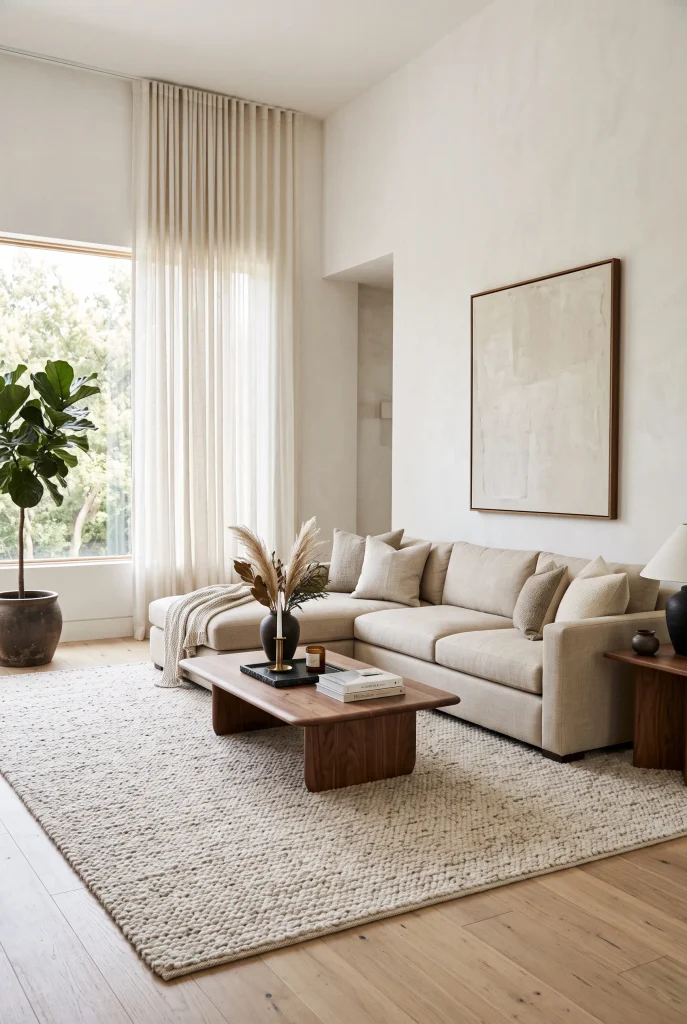
- A low sectional creates a relaxed, contemporary foundation.
- Its horizontal shape can make ceilings appear taller.
- Choose deep cushions for comfort without sacrificing style.
- Use one substantial rug to visually anchor the seating area.
A low-profile sectional gives the room that relaxed, designer-inspired feeling while keeping the furniture visually streamlined. Because the sofa sits closer to the floor, more wall space remains visible above it, which can make the room feel taller and calmer. Choose a generous sectional in warm beige, ivory, or soft gray and place it over a large area rug. Oversized seating looks much more intentional when the rug extends well beyond the front legs. Add a simple coffee table in wood or stone, and let the sectional provide most of the room’s visual weight.
The key is balancing the sectional’s substantial size with lighter surrounding details. Linen curtains, slim floor lamps, and a few carefully selected cushions prevent the arrangement from feeling heavy. A walnut or natural-wood coffee table can introduce warmth, while a single darker accent adds definition to the neutral palette. If your living room doubles as a family space, choose durable upholstery and deeper cushions for practical comfort. The finished arrangement feels sophisticated but livable, proving that luxury does not have to mean delicate or difficult-to-maintain furniture.
3. Matching Sofa Pair
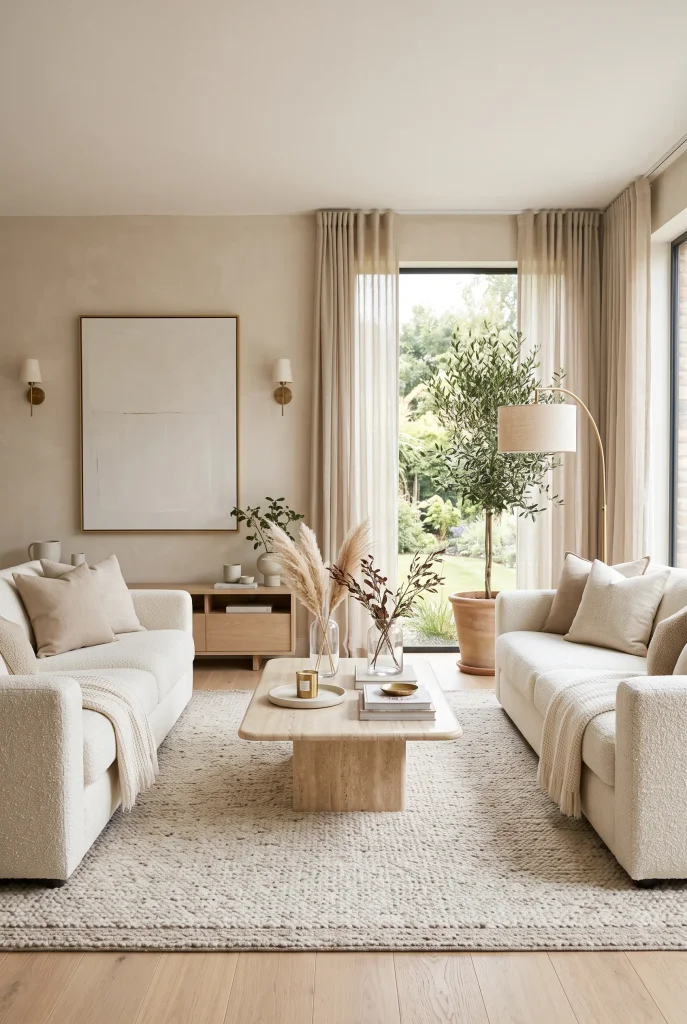
- Two matching sofas create instant symmetry and visual balance.
- Facing seating encourages conversation instead of television-only layouts.
- Keep the coffee table centered between both pieces.
- Repeat fabrics and colors to make the arrangement feel cohesive.
Two matching sofas can turn a spacious living room into a beautifully balanced conversation area. Instead of pushing every seat against the walls, place the sofas opposite each other with a coffee table centered between them. This arrangement creates symmetry, makes entertaining easier, and gives the room a deliberate designer feel. Choose a neutral upholstery such as ivory, cream, or warm beige for a timeless foundation. Matching sofas are especially effective in larger rooms because they fill the space evenly without relying on lots of smaller furniture pieces.
To keep the setup from feeling too formal, soften the symmetry with natural textures and relaxed accessories. Add a large woven or wool rug underneath the seating, then introduce linen cushions, a wooden accent table, or a textured throw. A pair of matching lamps can reinforce the balanced look, while artwork or greenery adds personality. Keep the pathways around the furniture open so the room remains comfortable for everyday movement. The result is polished without feeling staged, giving your space a luxe appearance while still feeling warm enough for conversations, guests, and quiet evenings at home.
4. Sculptural Accent Chairs
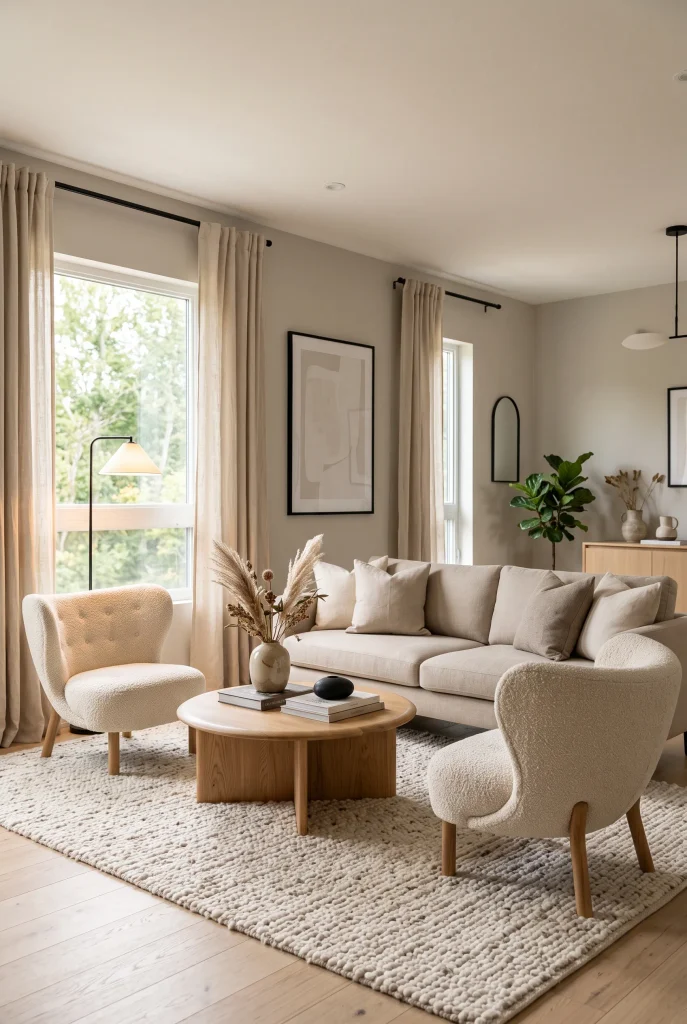
- Sculptural chairs add personality without overcrowding the room.
- Rounded shapes create a softer, more sophisticated composition.
- Position chairs slightly toward the sofa to encourage conversation.
- Choose textured upholstery for extra visual depth.
A pair of sculptural accent chairs can make a living room feel thoughtfully designed without adding unnecessary clutter. Their distinctive shapes create an artistic focal point while giving you extra seating for guests or quiet reading. Look for curved backs, rounded arms, or softly angled silhouettes in fabrics such as bouclé, linen, or textured cotton. Place the chairs slightly toward the sofa rather than directly against a wall. This creates a more connected seating arrangement and makes the entire room feel intentionally planned rather than simply filled with furniture.
Keep the chairs in a shade that complements your main sofa instead of matching everything perfectly. Cream chairs beside a warm beige sofa, for example, create subtle contrast while maintaining a cohesive palette. Add a small side table between them for drinks, books, or a decorative lamp. This approach works particularly well in rooms where the main sofa feels visually plain. A sculptural chair introduces shape and character, while a neutral color keeps the overall look calm, elevated, and easy to coordinate with changing seasonal accessories.
5. Oversized Coffee Table
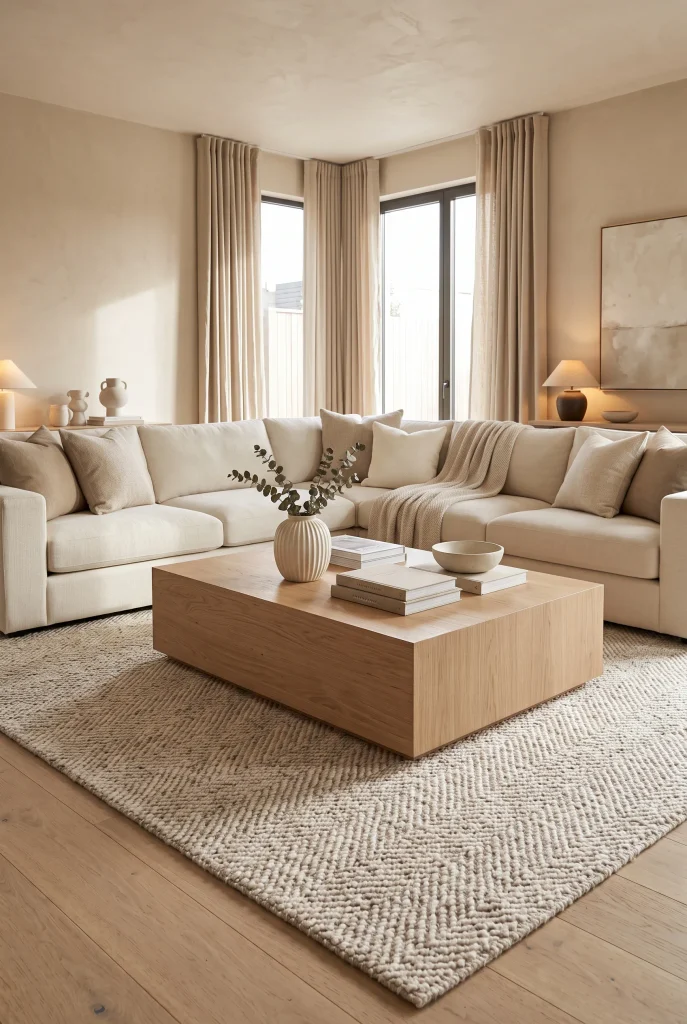
- A larger coffee table can make seating feel more connected.
- Choose a shape that complements the sofa’s silhouette.
- Leave comfortable walking space around the table.
- Use a simple tray and a few decorative objects on top.
An oversized coffee table can completely change the proportions of a living room, especially when the seating area feels disconnected or visually scattered. A generous table gives sofas and chairs a clear center while making the entire arrangement feel more substantial. Choose wood, travertine, stone, or another tactile material that complements your existing finishes. The table should be large enough to serve everyone comfortably without blocking pathways. When selecting living room furniture ideas, remember that scale often matters more than price. A well-proportioned table can make even simple furniture look considerably more refined.
Keep the tabletop styling intentionally restrained so the furniture remains the star. A shallow tray, ceramic vase, coffee-table books, or a small sculptural object can provide enough detail without creating visual clutter. For a soft neutral room, natural oak introduces warmth, while stone creates a cooler contemporary effect. Leave several inches of breathing room around decorative pieces and maintain clear access from each seat. This simple adjustment can make the room feel more organized, balanced, and expensive while also giving you a practical surface for everyday drinks, books, and entertaining.
6. Natural Wood Seating
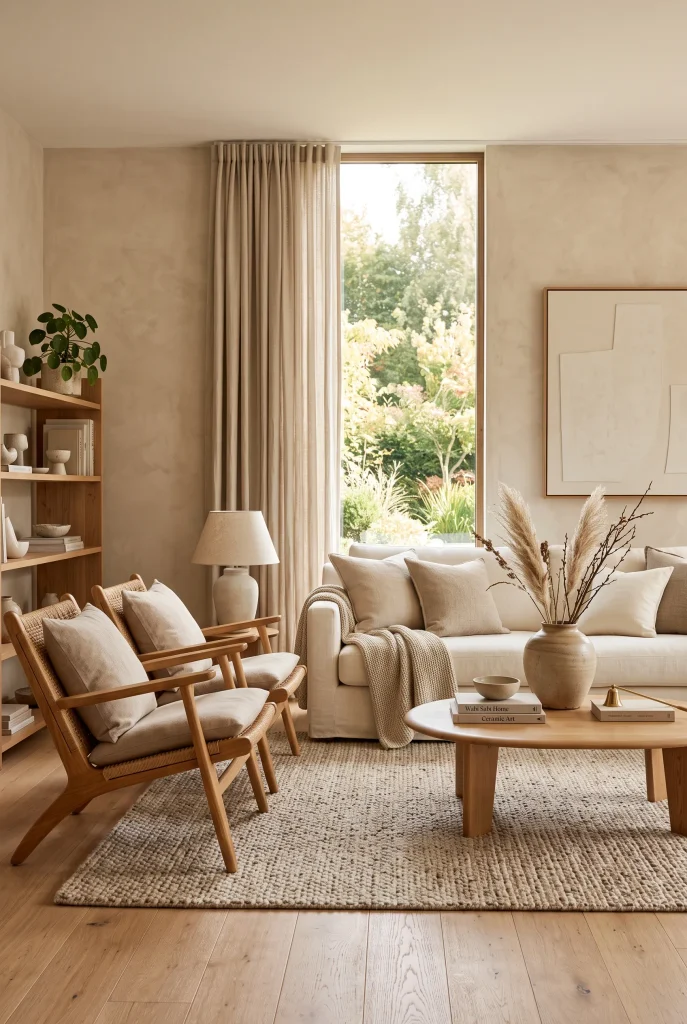
- Natural wood brings warmth to neutral furniture.
- Visible grain adds organic texture and character.
- Pair wooden pieces with soft upholstery for balance.
- Keep the surrounding palette warm and understated.
Natural wood furniture brings warmth and depth to a living room that might otherwise feel too pale or flat. A pair of wooden lounge chairs, an oak side table, or a beautifully finished media console can introduce an organic element without sacrificing an upscale appearance. Choose wood with visible grain and pair it with soft upholstery in cream, beige, or muted earthy tones. The contrast between hard wood and plush fabrics creates a layered look that feels comfortable rather than overly styled. It also gives neutral interiors more personality without relying on bold colors.
For the most cohesive result, repeat the wood tone in at least two or three places around the room. An oak coffee table can echo wooden chair frames, while a small console or decorative bowl reinforces the connection. Avoid mixing too many unrelated wood finishes unless you want a deliberately collected look. Natural materials tend to make modern rooms feel more welcoming, particularly when combined with woven rugs, linen curtains, and ceramic accessories. The finished space feels warm, grounded, and sophisticated while remaining practical enough for everyday family life.
View: 21 Living Room Ideas on a Budget That Look Expensive
7. Plush Velvet Sofa
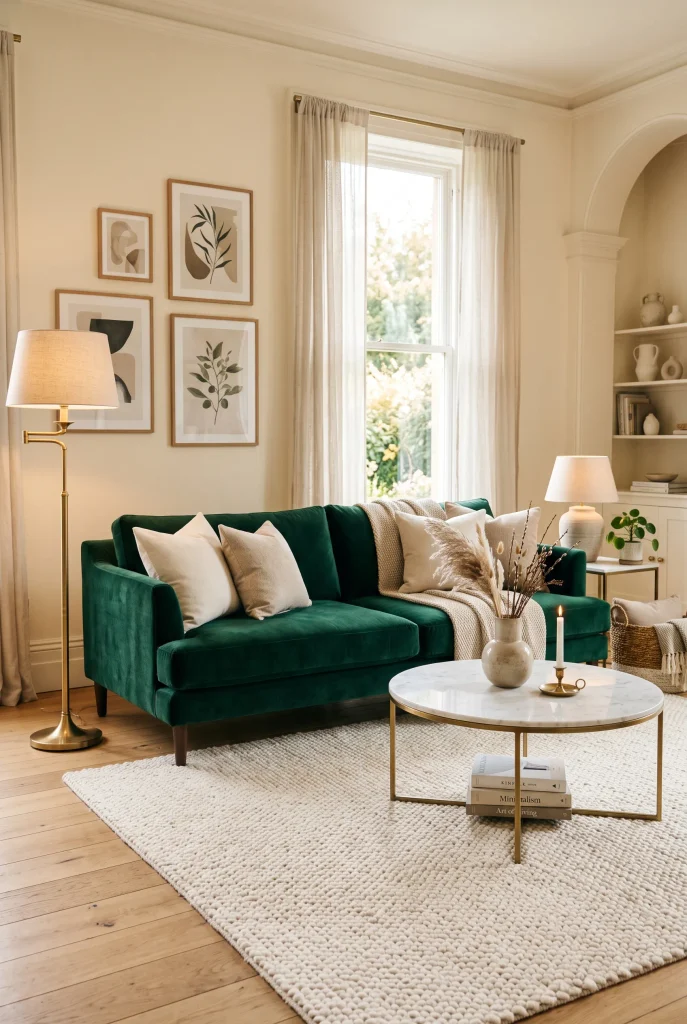
- Velvet instantly adds richness and tactile depth.
- Deep jewel tones create a dramatic focal point.
- Keep surrounding furniture simple to avoid visual heaviness.
- Use warm metals and neutral textiles to balance the color.
A plush velvet sofa can give a living room an unmistakably luxurious focal point without requiring dozens of decorative accessories. The fabric catches light differently across its surface, creating depth and making the sofa feel richer than a standard flat-weave upholstery. Emerald, navy, chocolate brown, and muted burgundy can create a dramatic effect, while cream or taupe velvet keeps the look softer. Choose a simple silhouette with clean lines so the texture becomes the main feature. This approach works particularly well when the rest of the room uses understated finishes and a restrained color palette.
The secret to making velvet feel elegant rather than overwhelming is balance. Pair a jewel-toned sofa with a neutral rug, light walls, and simple wood or stone furniture. If the sofa is already visually strong, skip overly patterned cushions and choose two or three complementary textures instead. Warm brass lighting and natural wood help soften darker velvet beautifully. You also get practical comfort because plush upholstery feels inviting for lounging. The finished room has depth, warmth, and character while maintaining the polished quality associated with sophisticated interiors.
8. Floating Media Console
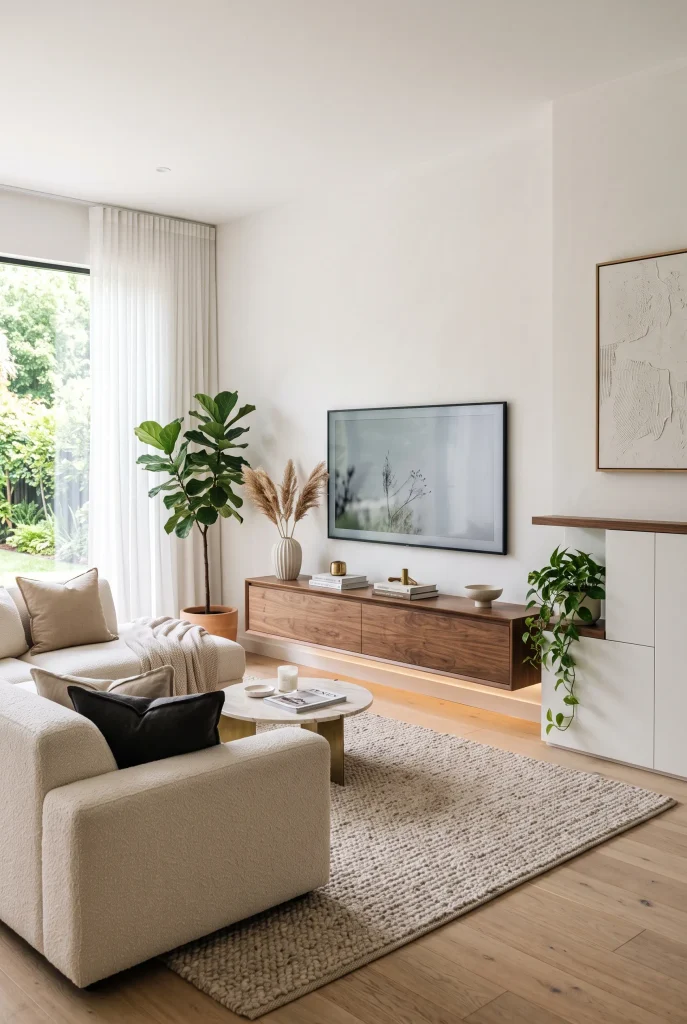
- Wall-mounted storage keeps the floor visually open.
- Warm wood adds contrast to pale furniture.
- Concealed cabinets help hide everyday clutter.
- Leave breathing room around the television wall for a cleaner look.
A floating media console can make a living room feel cleaner, lighter, and more architectural. Because the cabinet is mounted above the floor, the visible flooring continues underneath it, creating an uninterrupted visual line that can make the room appear more spacious. Choose warm walnut or oak for a natural finish, or use a soft neutral cabinet for a minimalist look. Keep the television centered above the console and avoid filling the wall with unnecessary accessories. The result feels organized and intentional while providing useful storage for remotes, electronics, games, and everyday clutter.
This setup is especially helpful when a traditional media cabinet makes the room feel visually heavy. Look for drawers or closed compartments so practical items can stay hidden while the surface remains relatively uncluttered. Add one ceramic vase, a small piece of artwork, or a sculptural object for personality. If you are planning living room furniture ideas around a television, consider the viewing height carefully so the screen remains comfortable to watch. A floating console combines function with clean styling, giving the entertainment area a sophisticated finish without taking up valuable floor space.
9. Marble Side Tables
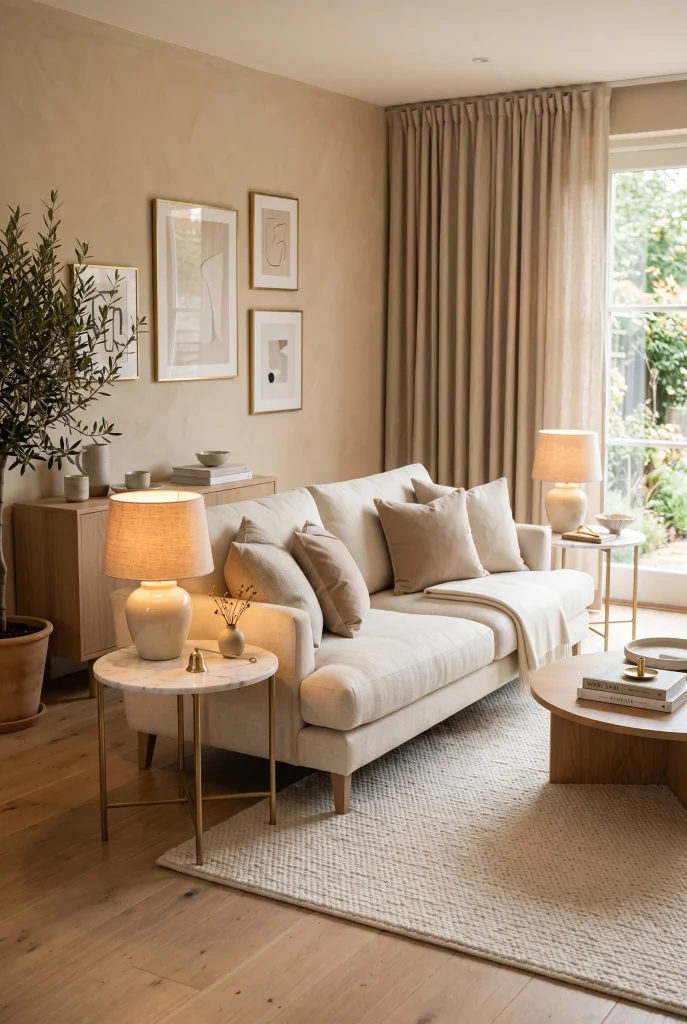
- Marble adds an instantly refined material contrast.
- Small tables provide useful surfaces without crowding the room.
- Round shapes soften sofas with straight lines.
- Pair cool stone with warm wood or brass for balance.
Marble side tables are a simple way to introduce a high-end material without replacing your larger furniture pieces. A small round table beside a sofa can provide space for a lamp, coffee cup, book, or decorative object while adding a polished visual accent. White marble with subtle veining works beautifully in neutral interiors, while darker stone can create stronger contrast. Choose a slim base in brass, black metal, or natural wood depending on the room’s existing finishes. Because the tables are compact, they can add luxury without making a smaller living room feel crowded.
Use marble selectively so its presence feels intentional rather than excessive. One table beside the sofa and another near an accent chair can create visual balance without turning the room into a showroom. Stone surfaces look especially beautiful when surrounded by softer materials such as linen, bouclé, wool, and woven fibers. Keep the styling simple with one small lamp or ceramic piece. This combination creates the contrast that makes furniture arrangements feel layered: hard against soft, smooth against textured, and polished against natural.
10. Oversized Modular Sofa
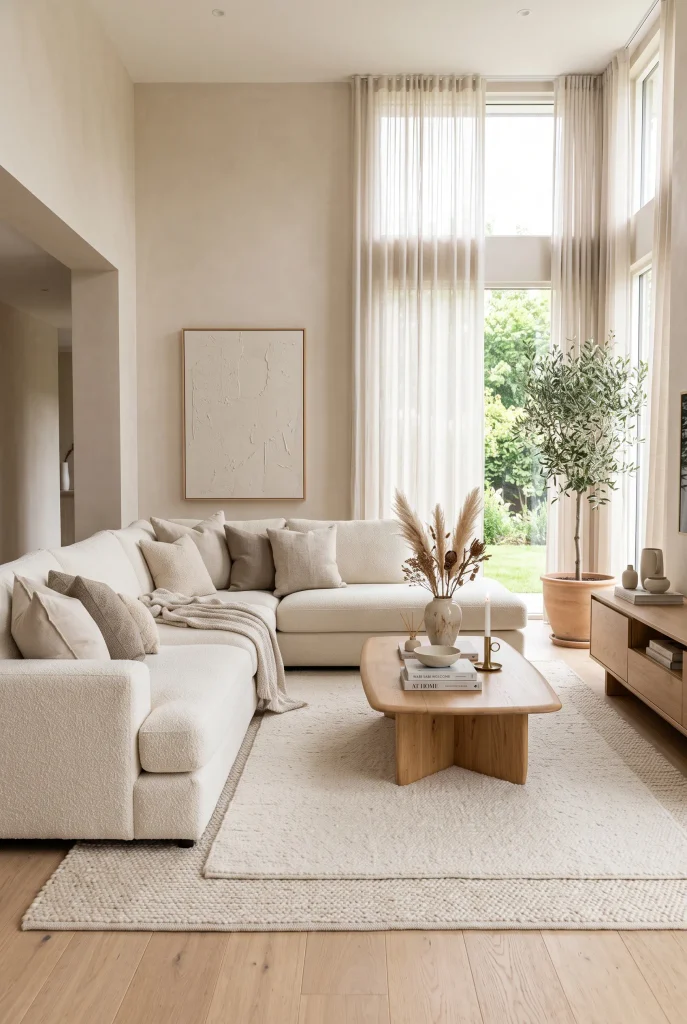
- Modular seating gives you flexibility as your needs change.
- Oversized cushions create a relaxed, luxurious feel.
- Keep the surrounding furniture low and streamlined.
- Use a large rug to visually anchor the arrangement.
An oversized modular sofa creates that effortlessly comfortable look many people want from a modern living room. Its generous proportions provide plenty of space for stretching out, entertaining guests, or gathering with family, while separate modules can often be rearranged as your layout changes. Choose a neutral fabric such as cream, oatmeal, or warm gray to keep the large silhouette from becoming visually overwhelming. Place it on a generously sized rug, making sure the front legs sit comfortably within the rug’s boundaries. This creates a connected seating zone instead of a collection of separate pieces.
The beauty of modular furniture is its ability to adapt to real life. You can create an L-shaped arrangement for everyday lounging, separate sections when entertaining, or adjust the orientation after rearranging the room. Add a low-profile coffee table and one or two slim side tables to preserve open sightlines. Avoid placing too many bulky pieces nearby, because the sofa should remain the room’s main anchor. Oversized seating looks most sophisticated when surrounded by breathing room, allowing its generous proportions to feel intentional rather than cramped.
11. Leather Lounge Chairs

- Cognac leather adds warmth and timeless character.
- Lounge chairs create comfortable secondary seating.
- Pair leather with soft fabrics to prevent a cold appearance.
- Keep the chair silhouettes clean for a modern finish.
Leather lounge chairs bring warmth, character, and a touch of timeless sophistication to a living room. Cognac and caramel leather work especially well with cream sofas, natural wood, and warm neutral walls because they introduce depth without demanding attention. Choose chairs with supportive backs and comfortable proportions rather than selecting purely decorative designs. Place them at an angle toward the main sofa to create an inviting conversation area. The combination feels particularly balanced when the leather is paired with softer materials such as wool rugs, linen cushions, or textured throws.
Leather also becomes more visually interesting over time as its surface develops natural variation. To keep the room from feeling too masculine or heavy, introduce light textiles and organic shapes around the chairs. A rounded wooden coffee table can soften the arrangement, while a woven rug adds warmth underneath. If the chairs are the only darker elements in the room, they can create helpful visual anchors without requiring additional bold colors. This makes the arrangement practical for everyday seating while giving the space the layered, collected appearance often associated with upscale interiors.
12. Built-In Window Bench
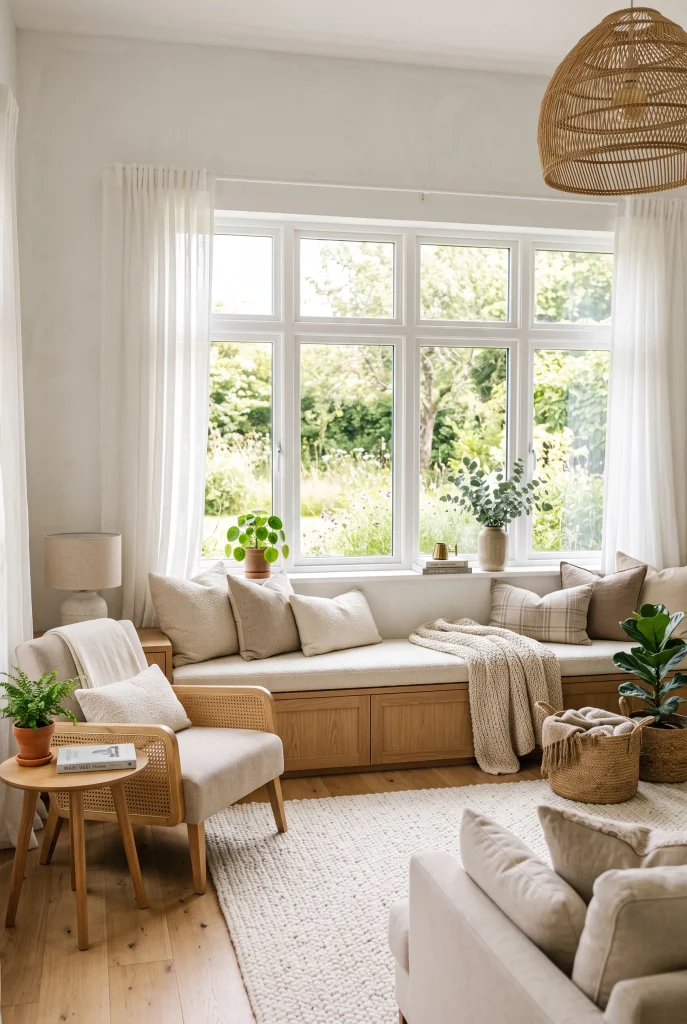
- A window bench turns unused space into functional seating.
- Built-in storage can hide blankets, books, and seasonal items.
- Soft cushions make the area comfortable for reading.
- Keep the surrounding furniture simple to emphasize the architectural feature.
A built-in window bench can transform an overlooked part of the living room into one of its most charming features. Instead of leaving the area beneath a large window unused, create a comfortable upholstered seat with cushions that complement the main furniture. This adds seating without consuming much floor space and gives the room a cozy architectural detail. If possible, incorporate drawers or lift-up storage underneath for blankets, books, toys, or seasonal accessories. The result is both beautiful and practical, especially in homes where every available storage opportunity matters.
For a polished look, coordinate the bench upholstery with the room’s main palette without making everything identical. Cream fabric, linen cushions, and warm wood accents can create a relaxed appearance, while a patterned cushion adds a small touch of personality. Keep the window area relatively uncluttered so natural light remains the focus. Window seating works particularly well in family rooms because it creates a quiet spot away from the main sofa. Add a small reading lamp nearby, and the unused corner becomes a comfortable everyday retreat.
13. Linen Slipcovered Sofa
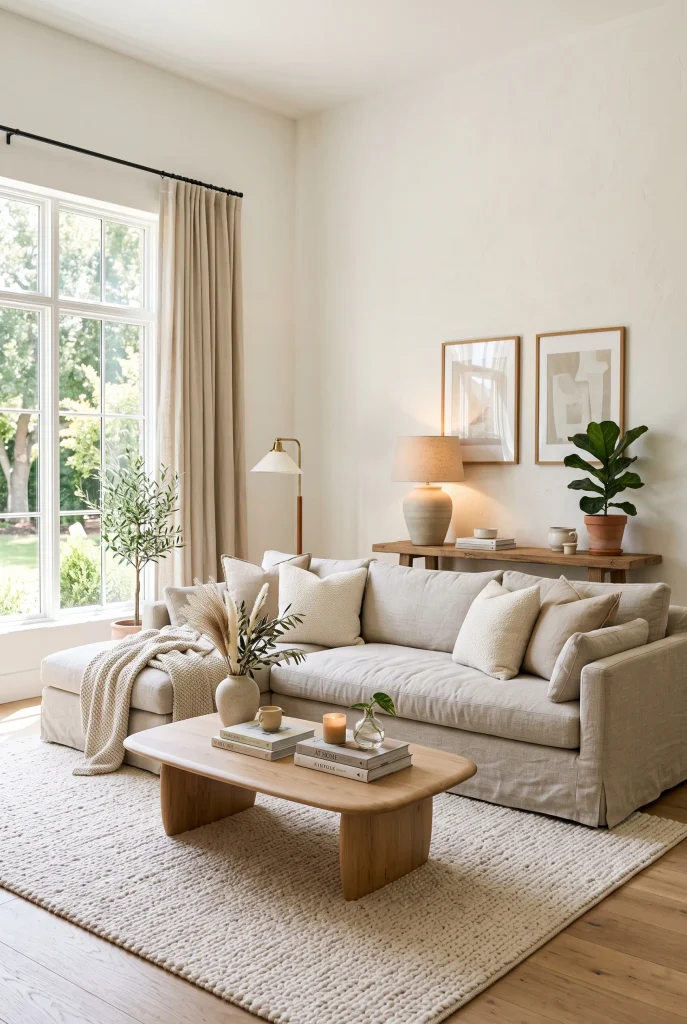
- Linen creates a relaxed, naturally sophisticated appearance.
- Slipcovers make everyday maintenance easier.
- Oatmeal and ivory tones keep the room visually calm.
- Layer different fabrics to add depth without clutter.
A linen slipcovered sofa brings an easy, refined feeling to a living room without looking overly formal. Its relaxed fabric texture softens the overall space, while a loose or tailored slipcover gives the furniture a comfortable, lived-in character. Choose oatmeal, ivory, sand, or warm beige for a timeless foundation that works with many decorating styles. This is particularly useful if you like changing cushions and accessories throughout the year because the neutral sofa provides a flexible backdrop. The result feels polished enough for guests while remaining comfortable for everyday lounging.
The practical advantage is just as important as the appearance. Many slipcovers can be removed for cleaning, making this style useful for busy households where furniture needs to handle regular use. Add cushions in bouclé, cotton, or subtle woven fabrics to create contrast without introducing too many colors. A natural wood coffee table and woven rug can reinforce the relaxed aesthetic. Linen looks most luxurious when it is allowed to retain a little natural texture rather than being styled too perfectly. That slight softness makes the room feel welcoming and authentic.
14. Glass Coffee Table
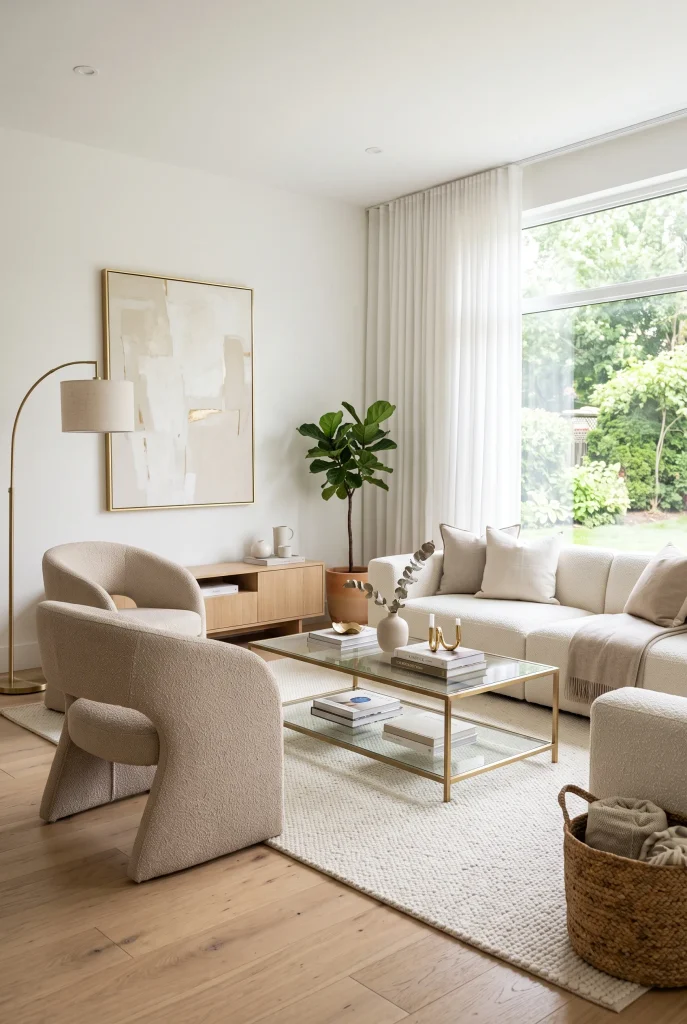
- Glass keeps the center of the room visually light.
- Transparent surfaces work well in smaller spaces.
- Brass framing adds warmth and subtle elegance.
- Use a simple tray to keep the tabletop organized.
A glass coffee table can make a living room feel more spacious because the transparent surface allows your eye to travel through the center of the arrangement. This is especially useful in smaller rooms where a solid, oversized table might create visual heaviness. Choose a simple rectangular, oval, or round design with a slim frame in brass, black metal, or wood. Pair it with a substantial sofa and textured rug so the transparent table provides contrast. When selecting living room furniture ideas for an airy space, this combination can create openness without sacrificing function.
Keep the tabletop styling minimal because the beauty of glass comes from its visual simplicity. A small tray with a candle, book, or ceramic object is usually enough. Rounded glass tables can soften angular sofas, while rectangular versions complement longer seating arrangements. Make sure the table has enough clearance around it for comfortable movement and daily use. If you have children or pets, consider safety-focused tempered glass and rounded edges. The finished arrangement feels light, elegant, and uncluttered while allowing larger furniture pieces to remain the primary visual anchors.
15. Statement Sectional Sofa
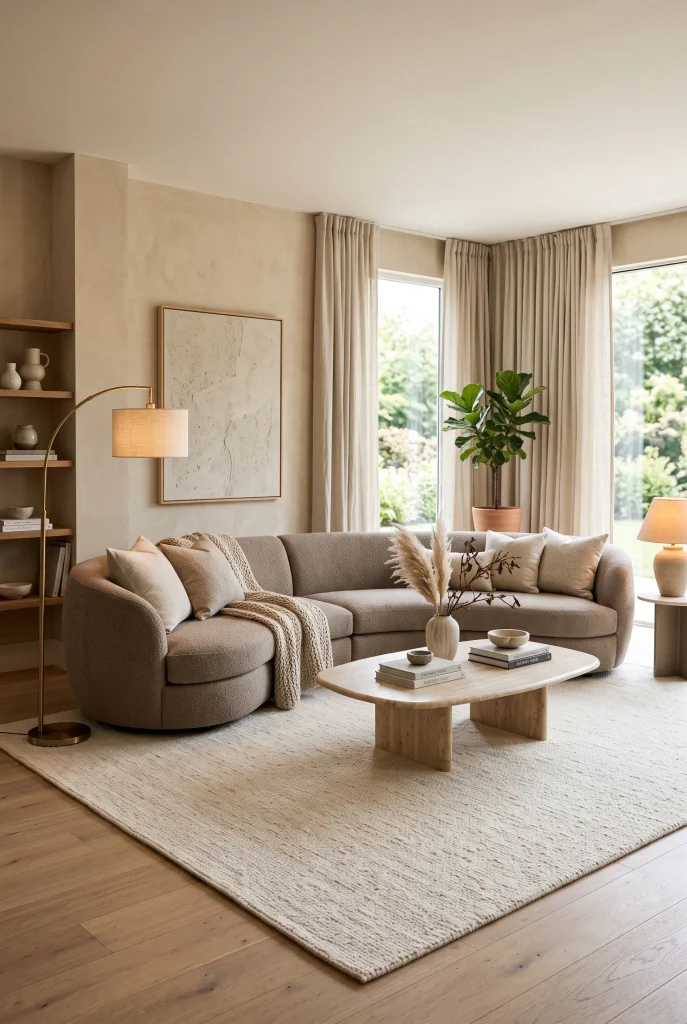
- A statement sectional can define the entire seating zone.
- Choose an interesting silhouette rather than excessive decoration.
- Keep accent pieces understated around bold furniture.
- Use one large rug to connect the complete arrangement.
A statement sectional can completely redefine the atmosphere of a living room by giving the space one strong, cohesive focal point. Instead of combining several unrelated sofas and chairs, choose a sectional with an interesting silhouette, generous proportions, or distinctive upholstery. Curved corners, deep cushions, and softly rounded edges can create a relaxed luxury effect without relying on flashy decoration. Neutral shades such as taupe, mushroom, cream, and warm gray keep the large piece sophisticated. Position it so the seating naturally faces the room’s main focal point, whether that is a fireplace, television, or view.
Because a statement sectional already has significant visual presence, the surrounding pieces should remain relatively simple. A low stone coffee table, oversized neutral rug, and one sculptural floor lamp can provide enough supporting detail. Avoid placing several competing statement pieces in the same area, as this can make the room feel busy. Large seating looks particularly polished when the rug extends generously around it and pathways remain clear. With thoughtful spacing, the sectional becomes both a comfortable gathering place and a strong design feature that gives the room a finished, upscale appearance.
16. Bouclé Accent Seating
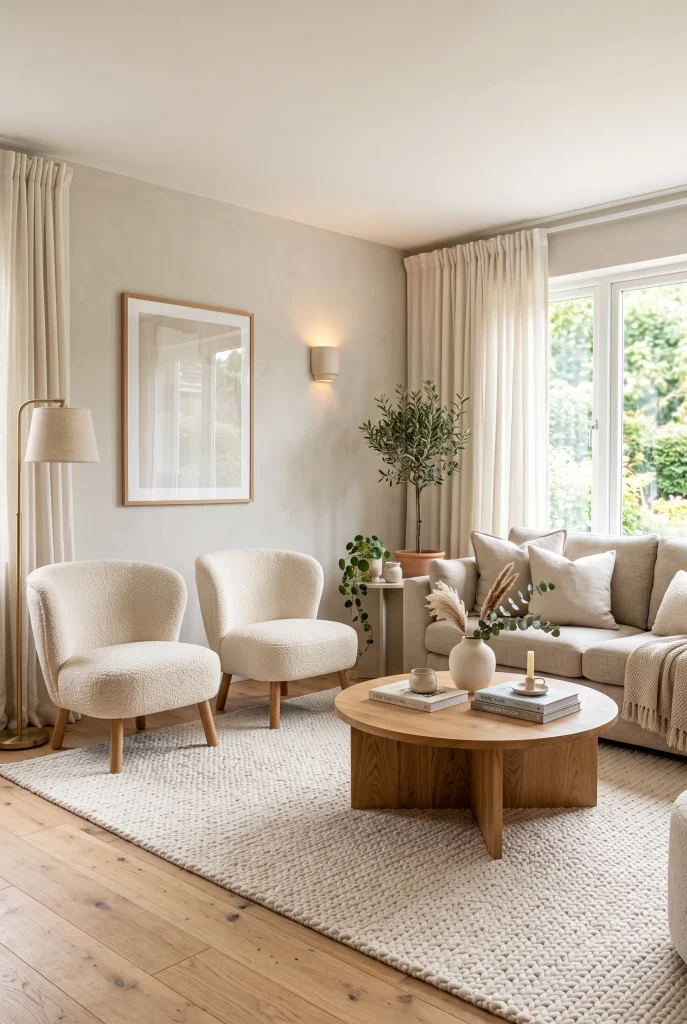
- Bouclé adds softness and visible texture to the seating area.
- Cream upholstery keeps the arrangement bright and sophisticated.
- Pair plush chairs with smoother materials for contrast.
- Rounded silhouettes create a softer overall composition.
Bouclé accent seating adds instant softness to a living room while giving the furniture a more tactile, elevated appearance. The nubby texture catches natural light beautifully and creates visual depth even when you stay within a neutral color palette. Cream and ivory chairs work particularly well beside beige or taupe sofas because the subtle difference in texture keeps the arrangement from looking flat. Choose rounded backs or curved arms if you want a softer silhouette. These pieces can also provide comfortable secondary seating without competing with the main sofa.
The trick is to balance the plush upholstery with smoother materials throughout the room. A wood or stone coffee table, linen curtains, and a woven rug can create enough contrast to keep the space interesting. Avoid covering every surface in fluffy textures, as too much softness can make the room feel visually heavy. Instead, let the bouclé chairs become the tactile highlight. One or two textured seating pieces can make a neutral room feel much more inviting while maintaining the clean, sophisticated appearance many people want from a modern living space.
17. Walnut Storage Cabinet
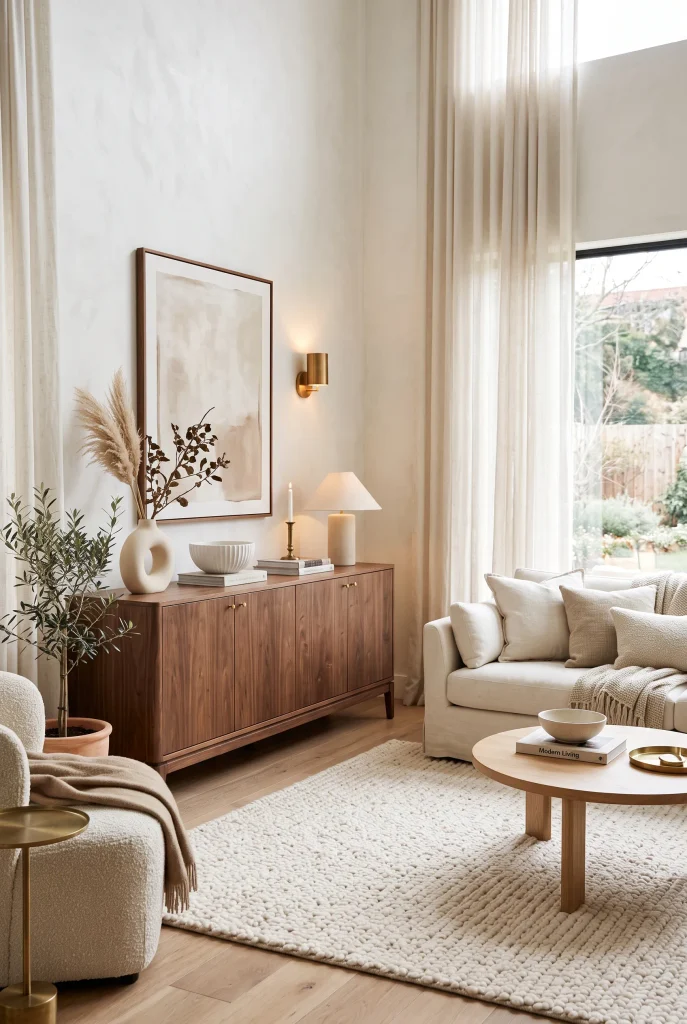
- Walnut adds warmth and richness to neutral interiors.
- Closed storage keeps everyday clutter out of sight.
- A long cabinet can visually anchor an empty wall.
- Style the top with only a few intentional objects.
A walnut storage cabinet can make a living room feel both more organized and more sophisticated. Its rich wood tone introduces warmth, while closed doors or drawers provide a practical place to hide electronics, books, games, blankets, and other everyday items. Choose a long, low-profile cabinet for a clean horizontal line, particularly if you have a large empty wall. Pair it with lighter upholstery and neutral flooring so the walnut becomes a grounding element rather than making the room feel dark.
Keep the cabinet top relatively uncluttered to preserve its architectural impact. A large ceramic vase, framed artwork, or one sculptural object can be enough to create a finished display. If your room already includes several wood tones, try to keep the walnut finish visually connected to another piece, such as a side table or chair frame. This creates consistency without requiring every furniture item to match. A well-chosen storage cabinet solves a practical problem while adding material richness, proving that useful furniture can also become an important part of the room’s overall design.
18. Round Ottoman Table
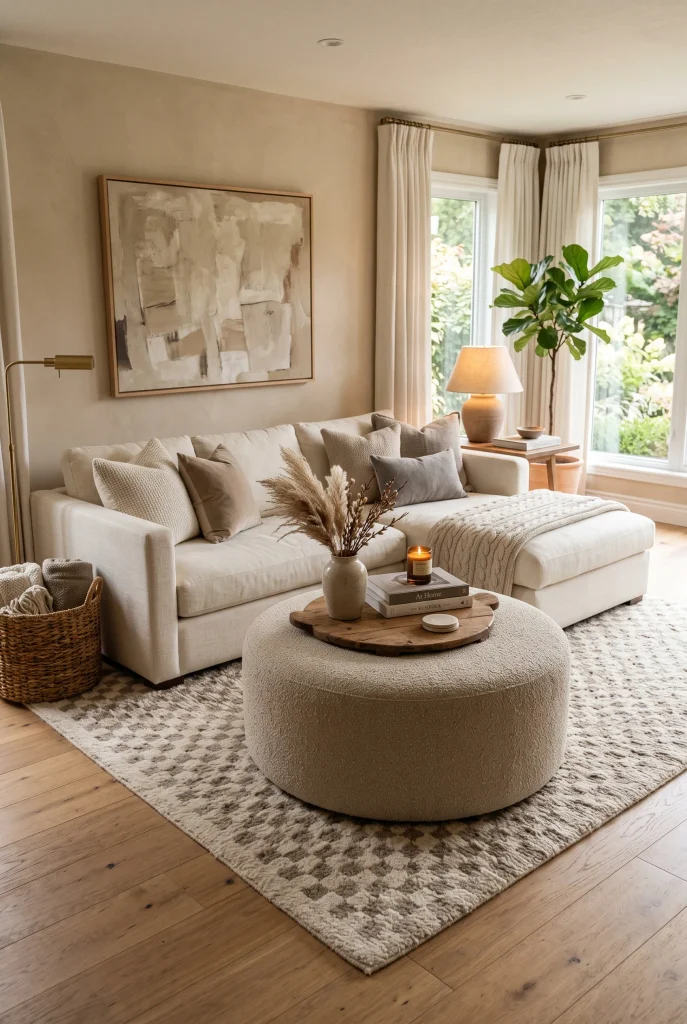
- A round ottoman softens angular seating arrangements.
- Upholstery adds comfort and visual warmth.
- A tray creates a stable surface for drinks and decor.
- Choose durable fabric if the ottoman will receive daily use.
A round upholstered ottoman can serve as both a comfortable footrest and a practical alternative to a traditional coffee table. Its soft edges create an easy visual transition between sofas and chairs, making the seating area feel less rigid. Choose a large circular ottoman in cream, taupe, camel, or another complementary shade. Place it centrally within the seating arrangement and leave enough space around it for comfortable movement. This is especially useful when you want a room that feels relaxed and inviting rather than formal or overly structured.
For everyday practicality, place a sturdy decorative tray on top to create a firm surface for coffee cups, books, candles, or small accessories. The tray can also be moved easily when you want to use the ottoman as a footrest. Textured upholstery adds another layer of interest, while a contrasting wood or metal tray provides definition. Round pieces are particularly helpful in rooms dominated by straight lines because they break up repetitive geometry. The result feels softer, more comfortable, and visually balanced without sacrificing functionality.
19. Curved Coffee Table
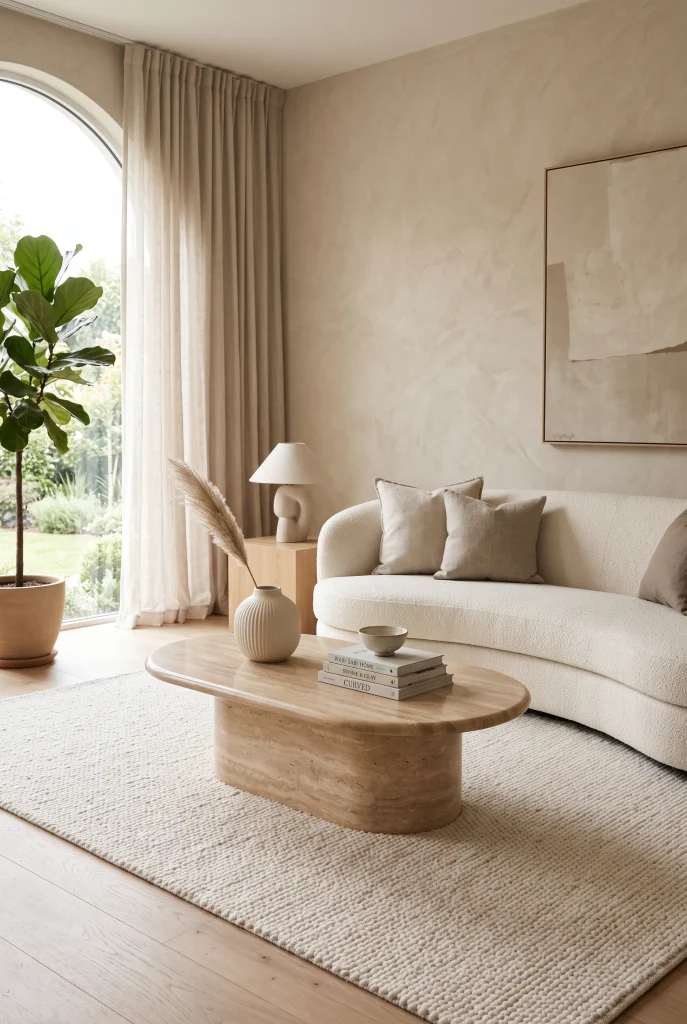
- Rounded edges soften a room filled with straight furniture lines.
- Travertine adds natural texture and understated luxury.
- An oval shape improves movement around the seating area.
- Keep tabletop accessories minimal to highlight the stone.
A curved coffee table can instantly soften the visual structure of a living room while adding a subtle designer touch. Oval and rounded shapes work beautifully with sofas that have straight arms or boxy silhouettes because they introduce contrast without feeling dramatic. Travertine, natural stone, or warm wood can give the table a refined material presence. Choose a size that allows everyone seated around it to reach the surface comfortably while leaving enough walking space around the edges. Good proportions will make the entire seating arrangement feel more intentional.
Keep the styling simple so the table’s shape and material remain visible. A shallow tray, a ceramic bowl, or a small stack of books can add personality without covering too much of the surface. Pairing a curved table with an oversized rug helps visually connect the furniture and creates a defined seating zone. If your sofa already has rounded features, repeat the curves subtly through lamps or accent chairs rather than matching every piece. This creates a cohesive room that feels sophisticated, comfortable, and thoughtfully layered without looking overly coordinated.
20. Armless Lounge Chairs
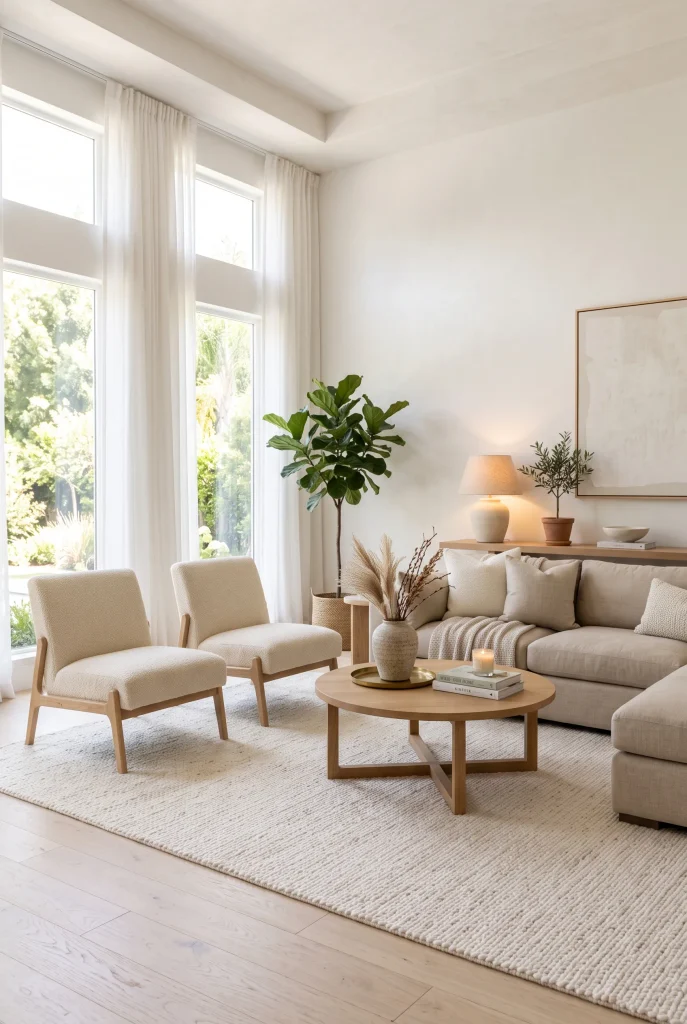
- Armless chairs keep the seating arrangement visually light.
- Their compact shape works well in tighter layouts.
- Soft upholstery adds comfort without bulky proportions.
- Angle chairs toward the sofa to create better conversation flow.
Armless lounge chairs are an excellent choice when you want additional seating without making the living room feel crowded. Their open sides create a lighter visual profile, allowing you to add another seating position while maintaining clear sightlines across the room. Choose generously padded chairs in cream, beige, or soft taupe for a comfortable yet sophisticated appearance. Position them slightly toward the main sofa so the furniture creates a natural conversation area. This arrangement works particularly well when you need flexibility but do not want several large, heavy pieces competing for attention.
To make the chairs feel connected to the rest of the room, repeat their upholstery tone through cushions, curtains, or a nearby rug. A small round side table between two chairs can provide useful space for drinks or a lamp without interrupting the open silhouette. Keep the furniture spacing generous enough for easy movement around the seating zone. Armless chairs can make a surprisingly big difference in smaller living rooms because they provide full seating comfort while taking up less visual space than traditional armchairs.
21. Layered Seating Arrangement
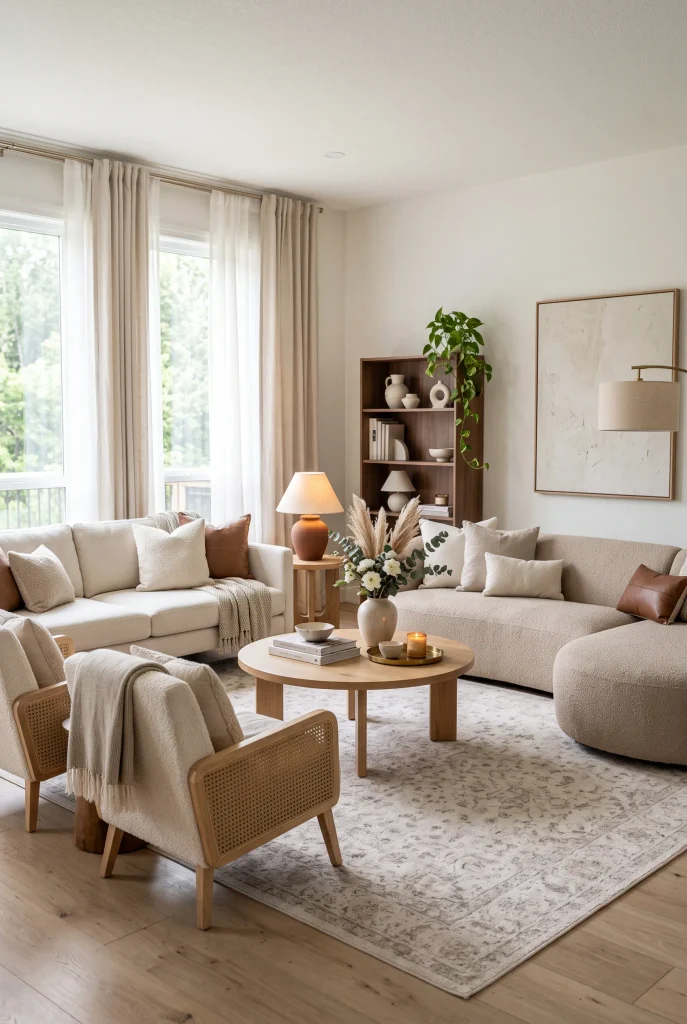
- Combining different seating shapes creates a collected appearance.
- Mix textures while keeping the overall color palette consistent.
- Use one large rug to connect every seating piece.
- Leave clear pathways so the arrangement remains practical.
A layered seating arrangement brings together different furniture shapes, textures, and proportions to create a living room that feels complete and naturally collected. Instead of relying on matching pieces, combine a comfortable sofa with an accent chair, curved seating, or a compact ottoman. Keep the color palette connected through creams, warm beiges, soft browns, or muted earth tones. The furniture can have different silhouettes as long as the materials and colors share a visual relationship. This approach gives the room personality while avoiding the overly coordinated appearance of a complete matching furniture set.
Start with the largest seating piece and build outward from there, checking the walking paths as you add each item. A large rug can visually unite the entire arrangement, while a central coffee table provides a practical gathering point. Add texture through linen, bouclé, leather, wool, or woven materials rather than introducing too many colors. Varied seating works especially well in open living spaces because it helps define the lounge area without using walls. The finished room feels comfortable, balanced, and intentionally designed for both everyday life and entertaining.
Conclusion
A luxe living room is less about spending more and more about choosing pieces that create balance, comfort, and visual interest. From curved sofas and textured chairs to natural wood, elegant tables, and practical storage, these living room furniture ideas show how thoughtful choices can transform an ordinary space.
Start with one change that makes the biggest difference in your room, then build around it gradually. Keep proportions comfortable, mix textures, and leave enough open space for the room to breathe. A few intentional furniture changes can completely refresh a space. Save this post on Pinterest for your next decorating project, try an idea that fits your home, and share it with someone who loves beautiful interiors.