
17 Popular Interior Design Styles You’ll Want to Try
Your home can feel completely different when you find a design style that truly fits your space. Popular interior design styles offer plenty of inspiration, whether you prefer clean modern rooms, cozy rustic spaces, or bold and colorful interiors.
The tricky part is figuring out which look feels right for your home and your everyday life. A beautiful room should not only look good in photos. It should also feel comfortable, practical, and easy to live in. From Scandinavian simplicity and organic modern spaces to Mediterranean warmth and expressive maximalism, each style creates a different atmosphere. The right choice can make a room feel more inviting, more organized, and much more like your own. These ideas can help you find a style that feels worth bringing home.
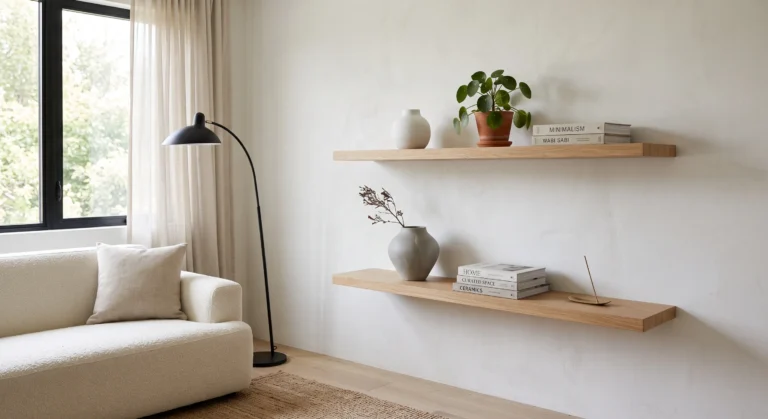
1. Modern Minimalism

- Clean furniture keeps the room feeling open and uncluttered.
- Warm neutrals prevent minimal spaces from feeling cold.
- Natural textures add softness without creating visual noise.
- A few carefully chosen pieces can make the room feel intentional.
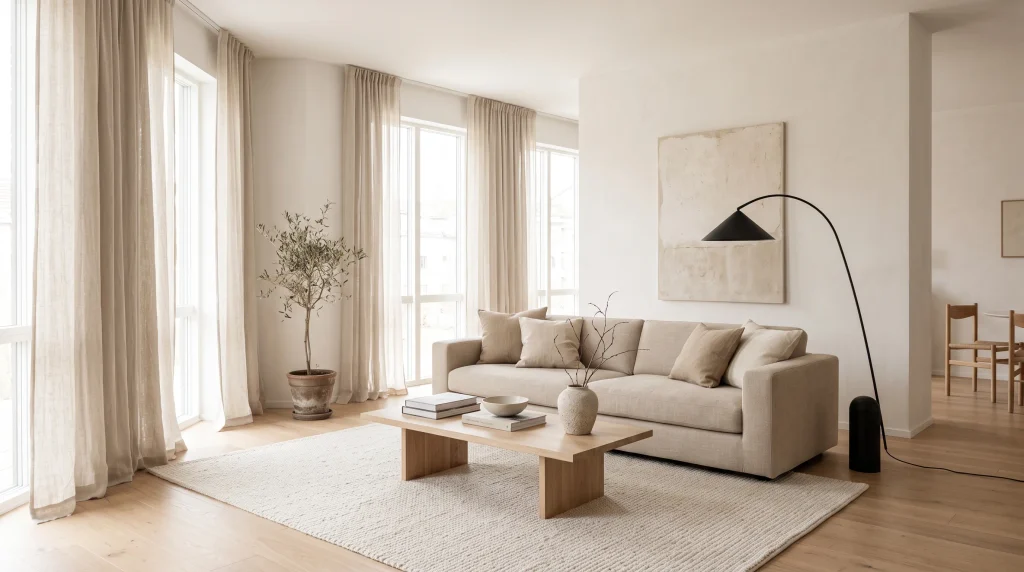
Clean lines and warm natural materials make modern minimalism feel calm without making the room feel empty. This approach works especially well when a space feels crowded or lacks a clear focal point. Choose streamlined furniture, a simple color palette, and enough open space around the main pieces. Soft beige, warm white, light oak, and subtle black accents create contrast without overwhelming the room. Keeping decorative objects to a minimum can also make everyday spaces feel more organized and intentional. The result is a home that looks polished, spacious, and comfortable enough for daily life.
Modern minimalism is a versatile choice when you want a refined room without constantly adding new decor. Start with one strong piece, such as a sofa, bed, or dining table, and build around it with simple lighting, textured fabrics, and practical storage. Avoid filling every empty surface because open space is part of the look. A wool rug, linen curtains, or boucle chair can soften clean furniture and bring warmth into the room. This style also works well in apartments and smaller homes because fewer visual distractions can make the space feel larger, brighter, and easier to keep organized.
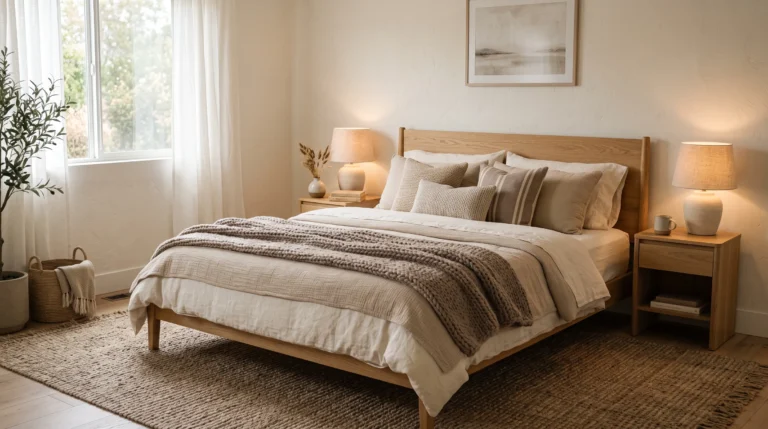
2. Scandinavian Simplicity
- Light wood instantly creates an airy Scandinavian foundation.
- Soft textiles make simple furniture warmer and more inviting.
- Pale colors can help smaller rooms feel brighter.
- Functional storage keeps the relaxed look from becoming cluttered.
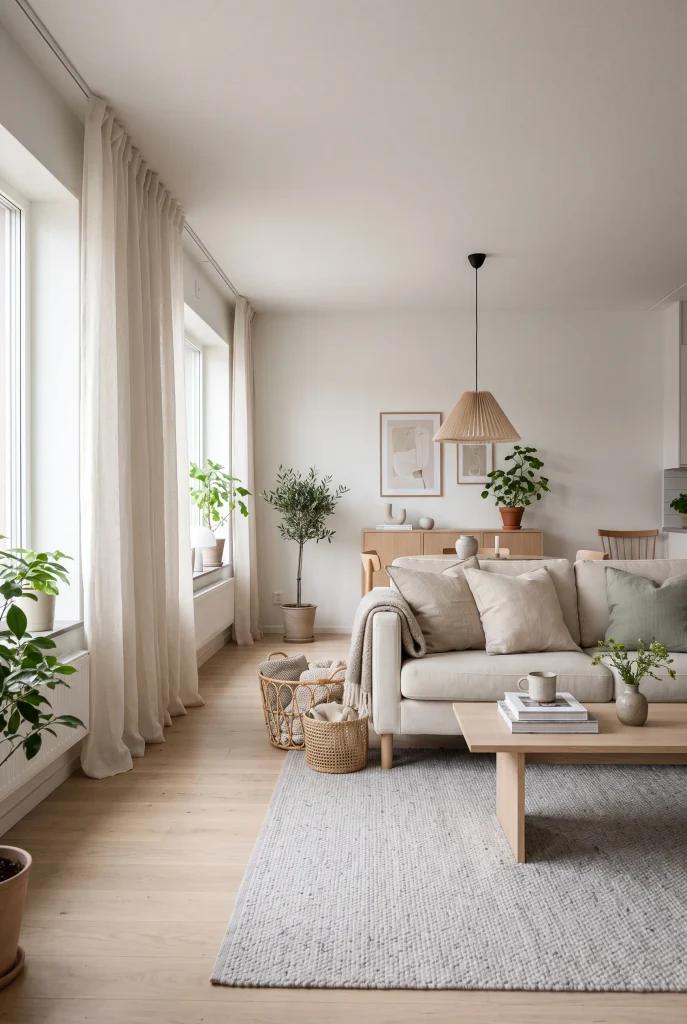
Natural textures give Scandinavian rooms their warm and relaxed character. Light wood, soft textiles, pale walls, and simple furniture create an airy backdrop that feels welcoming rather than stark. This style is especially useful in rooms that do not receive much natural light because a bright palette can help reflect the available daylight. Add woven baskets, a wool rug, linen cushions, and a few plants for gentle texture. The combination feels uncluttered without becoming boring, making it a practical choice for busy homes where comfort and organization matter just as much as appearance.
A Scandinavian-inspired room can feel simple without looking unfinished. Begin with functional furniture in pale oak or painted wood, then layer in cream, soft gray, muted beige, and occasional earthy accents. Keep window treatments light so natural daylight remains part of the design. Instead of filling the room with accessories, choose a few useful pieces that also add character, such as a sculptural lamp, woven basket, or textured throw. The overall effect is bright, comfortable, and practical, making this approach a great fit for family rooms, bedrooms, home offices, and smaller living spaces.
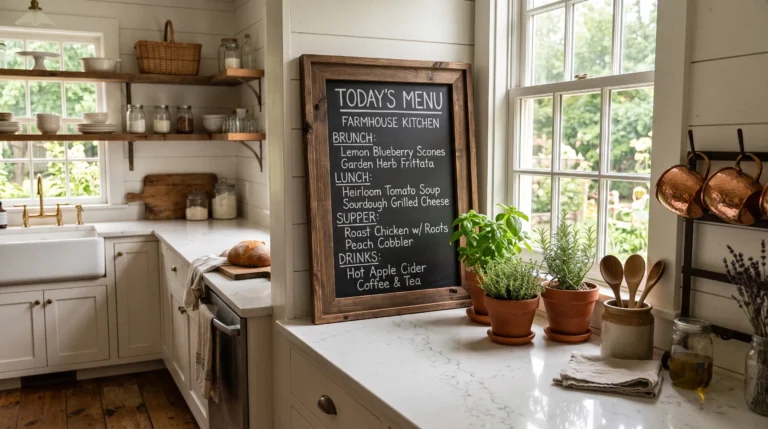
3. Modern Farmhouse
- Natural wood brings warmth and character to neutral rooms.
- Black accents add definition without making the space feel heavy.
- Linen and woven materials create a relaxed farmhouse texture.
- A few rustic elements feel more polished than excessive country decor.
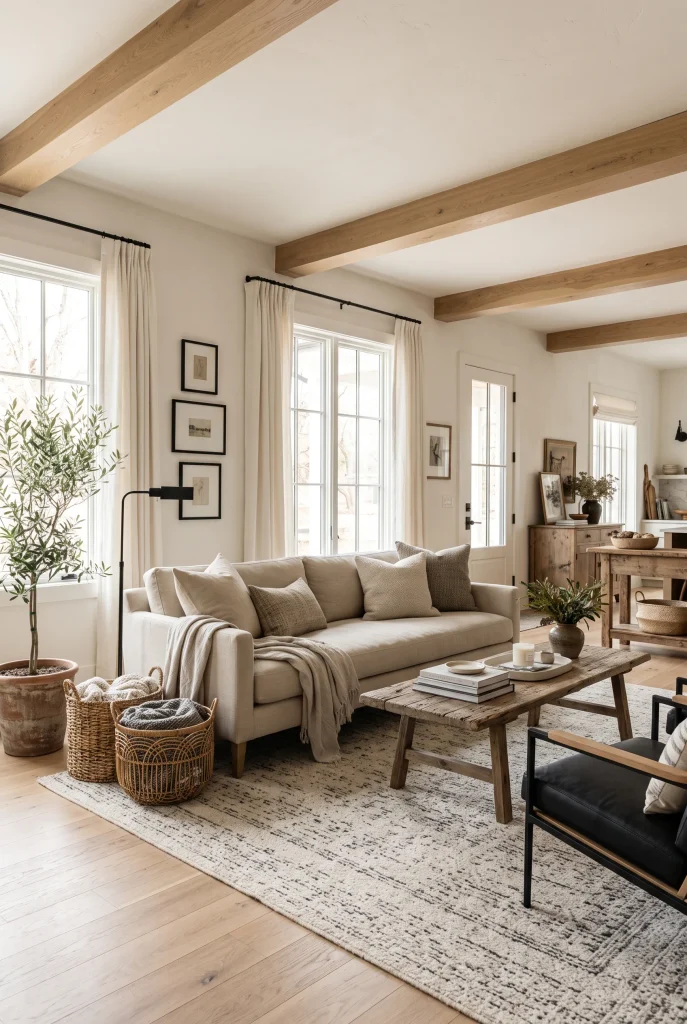
Warm wood, relaxed fabrics, and familiar architectural details give modern farmhouse spaces their welcoming personality. The style mixes rustic character with cleaner contemporary lines, so the room feels current without losing its cozy charm. It works especially well when you want a home to feel comfortable, layered, and lived-in. Combine white or warm neutral walls with oak furniture, black hardware, woven accents, and natural textiles. A reclaimed wood feature, farmhouse table, or simple vintage piece can add depth. The key is keeping the rustic details balanced so the room feels fresh rather than overloaded with farmhouse decor.
Modern farmhouse design is easy to personalize because it combines practical furniture with relaxed decorative details. Start with a neutral foundation, then bring in natural wood, linen, cotton, metal, and woven textures for variety. In a kitchen, shaker cabinets and black hardware can establish the look quickly. In a bedroom, a simple wood bed with soft layered bedding can create the same feeling. Keep patterns understated and choose finishes that can handle everyday use. This balance makes the style especially appealing for busy households that want rooms to feel welcoming, organized, and thoughtfully decorated without becoming too formal.
4. Japandi Calm
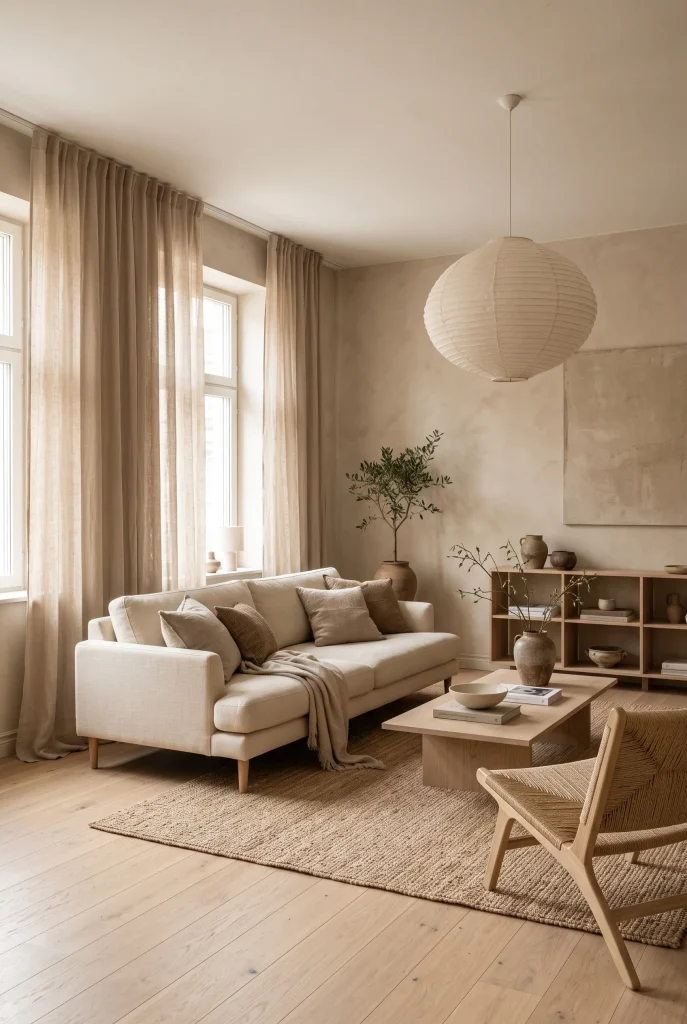
- Low-profile furniture creates a grounded, peaceful feeling.
- Natural wood and stone add warmth without visual clutter.
- Soft beige tones make the room feel calm and welcoming.
- Simple ceramics and greenery provide understated personality.
Japandi design blends Japanese simplicity with Scandinavian warmth, creating rooms that feel peaceful without becoming sterile. The look relies on low-profile furniture, natural materials, soft neutrals, and carefully chosen decorative pieces. It works beautifully when a home needs a calmer and more intentional atmosphere without losing personality. Warm beige, cream, taupe, pale oak, and muted earthy tones create a soothing foundation. The biggest difference often comes from editing the room rather than adding more. Fewer objects, better textures, and clear surfaces can make an ordinary space feel remarkably refined and restful.
The beauty of Japandi is that it can make practical living spaces feel thoughtfully designed. Choose furniture with simple silhouettes, then soften the room with linen curtains, woven rugs, handmade ceramics, or natural stone accessories. Keep storage discreet so everyday items stay organized without becoming visual distractions. A single branch arrangement or leafy plant can provide just enough organic detail. This approach also works well in smaller rooms because the restrained furniture and open floor space create a greater sense of breathing room. The finished space feels warm, functional, and peaceful while remaining easy to live with.
5. Industrial Loft
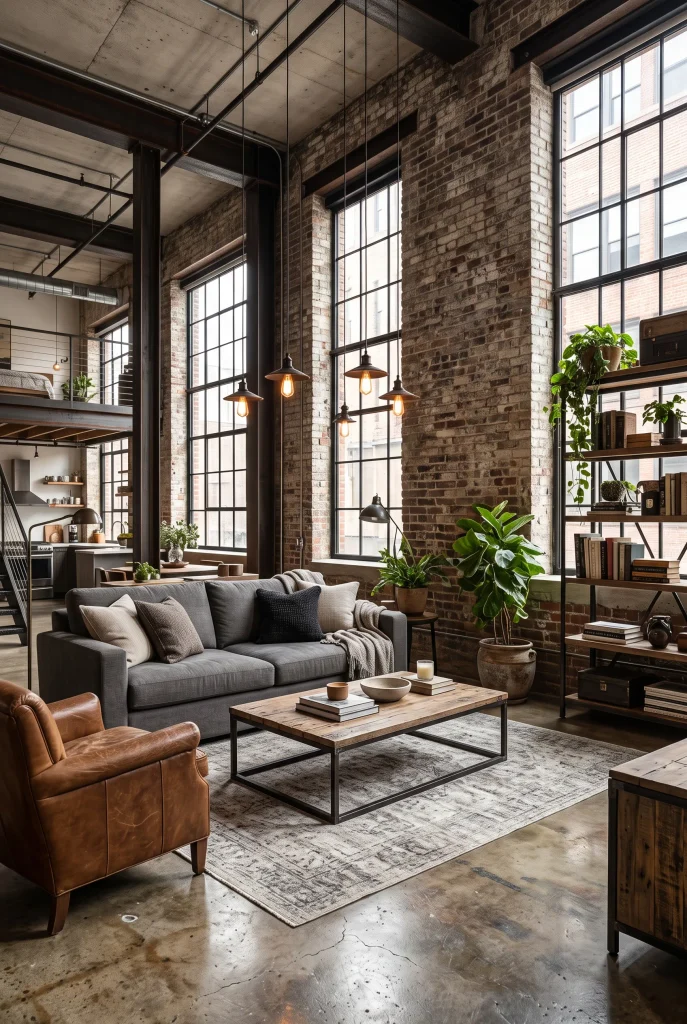
- Exposed materials become natural focal points in the room.
- Black metal details add structure and visual contrast.
- Reclaimed wood softens harder concrete and brick surfaces.
- Warm lighting prevents an industrial space from feeling too cold.
Raw materials can become the main attraction in an industrial-inspired room. Exposed brick, concrete, black metal, reclaimed wood, and visible architectural details create a strong foundation without requiring lots of decoration. This style works particularly well in lofts, apartments, and open-plan homes where structural features can become part of the design. Balance harder surfaces with comfortable seating, textured rugs, and warm lighting. Leather, linen, and aged wood can soften the look considerably. The room feels much more inviting when industrial materials are paired with enough soft furnishings to make the space comfortable for everyday use.
You do not need an actual warehouse or exposed brick walls to capture the industrial aesthetic. Try black-framed furniture, metal shelving, concrete-look surfaces, or reclaimed wood accents against a neutral background. Keep the color palette grounded in charcoal, brown, gray, cream, and warm tan. Lighting is especially important because industrial materials can look harsh under cool bulbs. Choose warm pendant lights, floor lamps, or wall sconces to create a comfortable evening atmosphere. With the right balance, the style feels urban and sophisticated while still leaving plenty of room for comfortable furniture and everyday functionality.
View: 21 Fall Chalkboard Ideas You’ll Want to Copy Today
6. Traditional Elegance
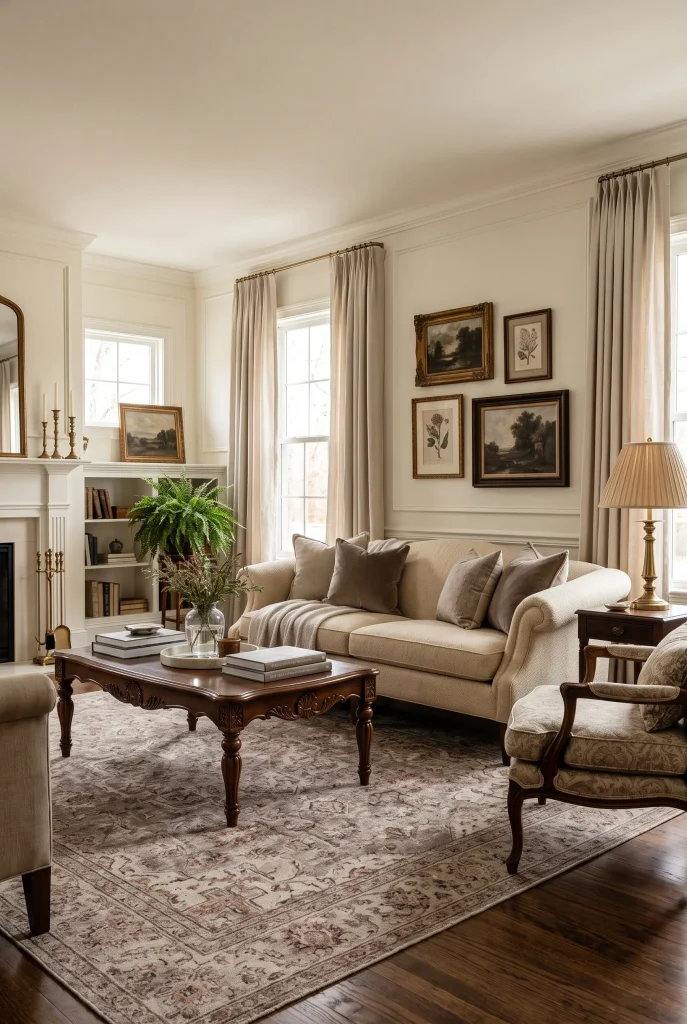
- Classic furniture brings lasting character to the space.
- Symmetrical arrangements make rooms feel balanced and polished.
- Brass and wood finishes add subtle traditional richness.
- Layered textiles create comfort without sacrificing elegance.
Traditional interiors feel timeless because they rely on balanced proportions, classic materials, and details that do not depend on passing trends. A symmetrical furniture arrangement, upholstered seating, wood accents, patterned rugs, and elegant lighting can instantly give a room a more finished appearance. Warm ivory, beige, taupe, navy, and muted green work beautifully as supporting colors. This approach is especially useful when you want a home to feel established and comfortable rather than overly modern. Traditional rooms also feel fresher when classic pieces are mixed with a few simpler contemporary elements.
You can create this look gradually instead of replacing every piece of furniture. Start with one substantial traditional element, such as a wood table, upholstered armchair, framed artwork, or patterned rug. Then repeat its colors or materials elsewhere to create visual connection. Symmetry can make even a small arrangement feel more intentional, so consider matching lamps or placing chairs evenly around a central table. Keep decorative details selective, especially in smaller rooms. The goal is not to make the space feel formal. It is to create a warm, collected interior with comfortable furniture and timeless visual balance.
7. Mid-Century Modern
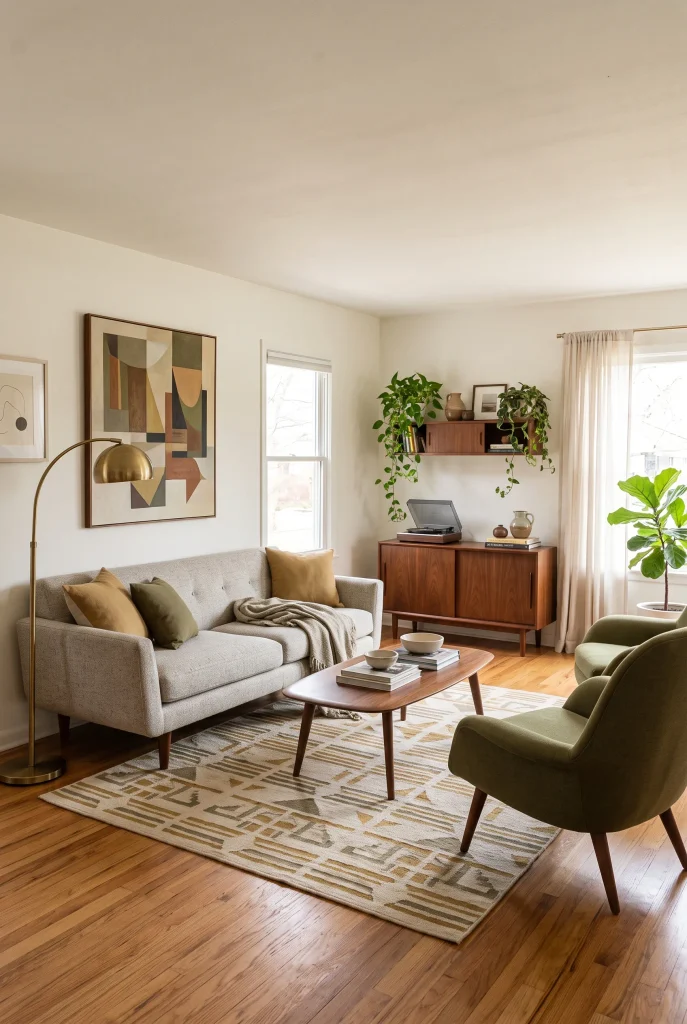
- Tapered furniture legs create a lighter visual footprint.
- Walnut and teak finishes bring warmth and natural character.
- Curved chairs soften the clean geometric lines.
- A few retro accents add personality without making the room feel dated.
Mid-century modern design combines clean silhouettes with warm wood and carefully chosen vintage-inspired details. Its recognizable furniture shapes make a room feel stylish without relying on excessive decoration. Walnut, teak, leather, and textured upholstery provide warmth, while tapered legs and open furniture bases keep the layout visually light. Muted mustard, olive, rust, and cream can add subtle color without overwhelming the space. This approach works especially well when you want a room with personality but still prefer a clean and organized appearance. The result feels retro-inspired, polished, and practical for modern everyday living.
The easiest way to introduce this look is through furniture rather than covering every surface with vintage accessories. Try a walnut console, tapered-leg side table, curved lounge chair, or simple geometric rug. Keep the surrounding walls and larger pieces relatively neutral so the distinctive shapes remain noticeable. Good lighting also matters, especially sculptural floor lamps or simple brass fixtures that complement the furniture. This style works particularly well in living rooms because open furniture bases make more of the floor visible, helping the room feel spacious while still providing plenty of seating.
8. Bohemian Eclectic
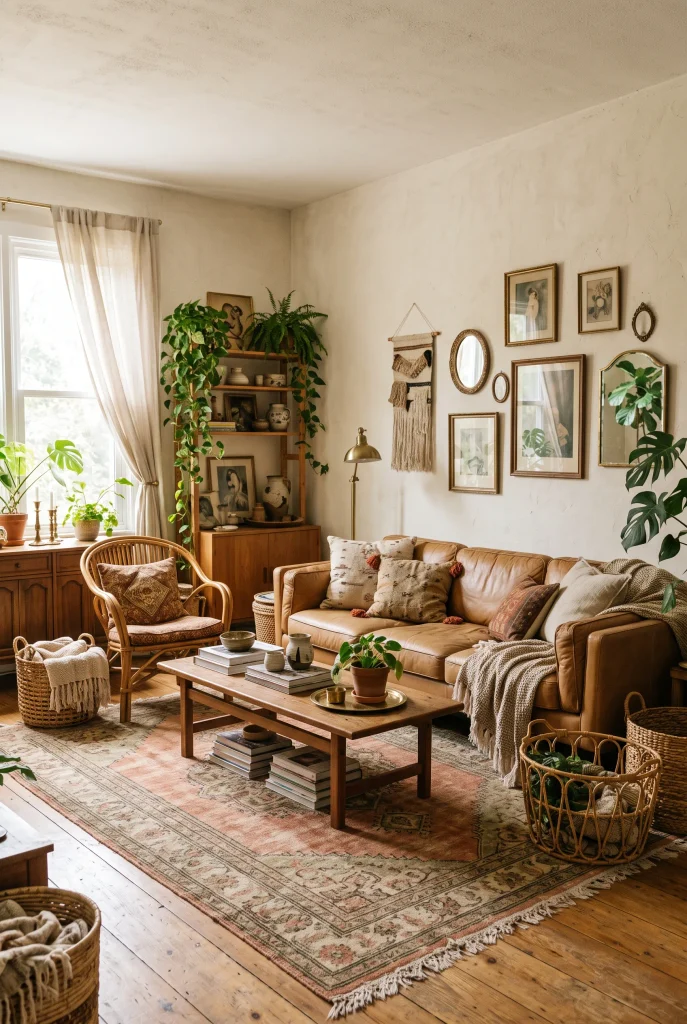
- Layered textiles make the room feel collected and comfortable.
- Plants add freshness and connect the interior with nature.
- Vintage pieces give the space character and individuality.
- Mixing textures creates richness even with a neutral base.
Bohemian eclectic interiors are all about layering personality through color, texture, pattern, and collected pieces. Instead of matching everything perfectly, the room feels naturally assembled from items with different shapes and histories. Start with a comfortable neutral sofa, then add a vintage rug, woven chair, patterned cushions, plants, baskets, and handmade accessories. Earthy terracotta, olive, cream, caramel, and muted rust work beautifully together. This style is especially useful if you enjoy decorating with meaningful finds rather than buying an entire matching set. The relaxed combination can make an ordinary room feel expressive, warm, and personal.
The trick to making eclectic decor look intentional is to repeat a few colors or materials throughout the room. For example, terracotta can appear in a cushion, ceramic vase, and artwork, while natural wood connects different furniture pieces. Keep one or two areas visually quiet so the layered details have space to stand out. Plants, woven storage, and soft textiles can add depth without expensive changes. Eclectic rooms become much easier to manage when every decorative piece has either a useful purpose or a clear connection to the room’s overall look and personality.
9. Coastal Retreat

- Soft blue accents create a coastal feeling without looking themed.
- Natural fibers add relaxed texture and warmth.
- Light wood keeps the room bright and airy.
- Linen bedding gives bedrooms an effortless vacation-like feel.
Coastal design works best when it captures the relaxed feeling of the shore rather than filling a room with obvious nautical decorations. Begin with a light, airy palette of white, cream, sand, pale blue, and soft gray. Natural wood, rattan, jute, and linen bring texture while keeping the atmosphere relaxed. This style can make rooms feel brighter and more open, especially when paired with sheer window treatments and simple furniture. A few subtle ocean-inspired details, such as blue artwork or organic ceramics, are usually enough to suggest the theme without making the room feel overly decorated.
You can bring coastal character into almost any home by focusing on materials and light instead of literal beach motifs. Choose linen curtains, woven baskets, pale wood furniture, and a textured rug to establish the foundation. Then introduce one or two blue-gray accents for gentle contrast. Keep window areas as open as possible so daylight becomes part of the design. For a bedroom, layered white bedding and a rattan bench can create a relaxed retreat, while a living room might use slipcovered seating and a woven coffee table. The finished space feels fresh, comfortable, and easygoing throughout the year.
10. Contemporary Luxe
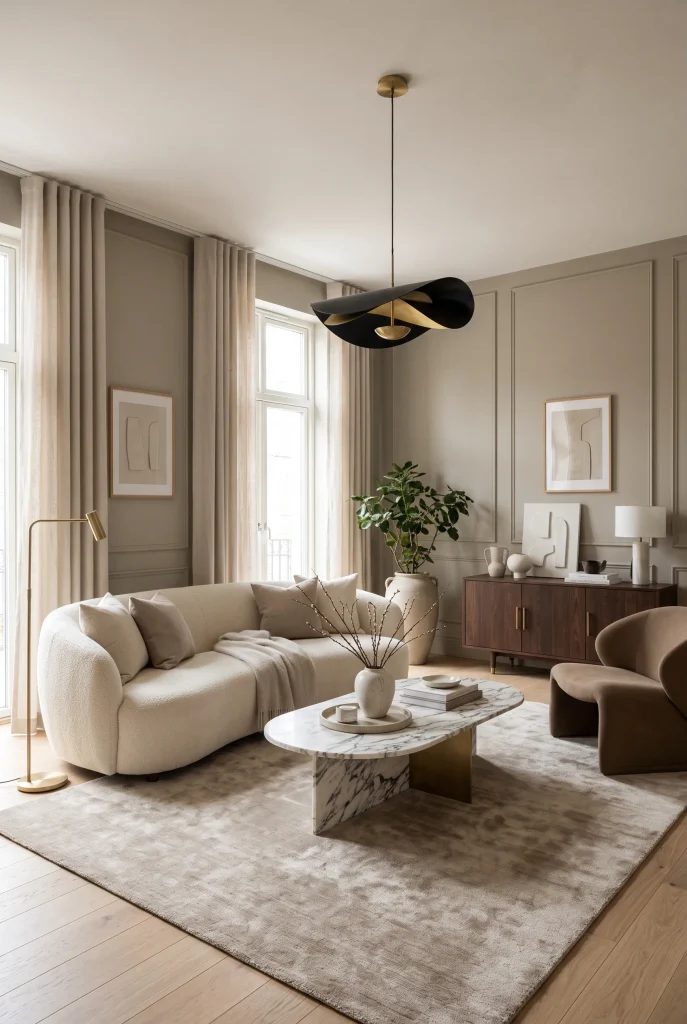
- Soft neutral colors create an expensive-looking foundation.
- Marble and brass add polish without requiring excessive decoration.
- Curved furniture makes contemporary rooms feel softer.
- Layered lighting brings warmth and depth after sunset.
Contemporary luxe design creates a polished atmosphere by combining clean modern shapes with rich materials and comfortable textures. The goal is not to fill a room with expensive objects but to make a few strong pieces feel intentional. Greige walls, cream upholstery, walnut, marble, brushed brass, and plush rugs create a sophisticated foundation. This approach works particularly well in living rooms and bedrooms where texture can make simple furniture feel elevated. Choosing fewer high-impact materials often creates a more luxurious result than mixing too many finishes throughout the same space.
The easiest way to achieve this look is to focus on proportion, texture, and lighting. Choose one substantial piece, such as a curved sofa, marble table, or upholstered bed, then keep surrounding furniture simple. Add brass or polished metal through lamps and hardware rather than using it everywhere. Floor-to-ceiling curtains can also make ceilings appear taller and give the room a more finished appearance. Warm lamps are essential because cool lighting can flatten neutral colors. When these elements work together, even a modest room can feel sophisticated, comfortable, and carefully considered without becoming overly formal.
11. Art Deco Glamour
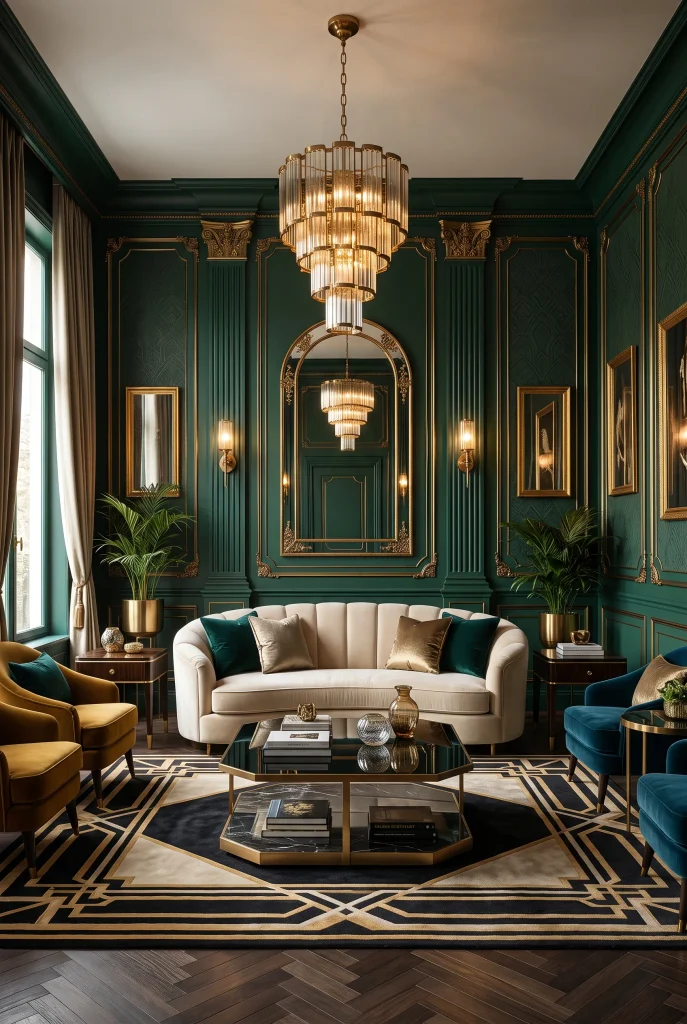
- Geometric patterns instantly strengthen the Art Deco character.
- Velvet upholstery adds softness and visual richness.
- Brass details provide a refined metallic highlight.
- Dark jewel tones create depth and dramatic contrast.
Art Deco interiors are known for strong geometry, rich materials, symmetry, and glamorous details. You can capture the aesthetic without making the room feel like a period set by choosing a modern foundation and adding a few distinctive accents. Deep emerald, navy, burgundy, black, cream, and warm metallics work especially well together. Velvet seating, fluted surfaces, geometric rugs, and brass lighting can create the layered richness associated with the style. This approach is ideal when you want a room to feel dramatic and sophisticated while still maintaining a practical layout for everyday use.
The secret to modern Art Deco is controlled contrast. Instead of combining every glamorous feature at once, choose two or three defining details and let them stand out. A geometric rug can anchor a neutral sofa, while brass lamps and a mirrored side table provide subtle shine. Fluted wood or wall panels can add architectural interest without filling the room with accessories. Keep furniture arrangements symmetrical where possible because balanced placement reinforces the style naturally. Art Deco can look particularly striking in dining rooms and bedrooms, where dramatic lighting and rich textiles create a warm, intimate atmosphere.
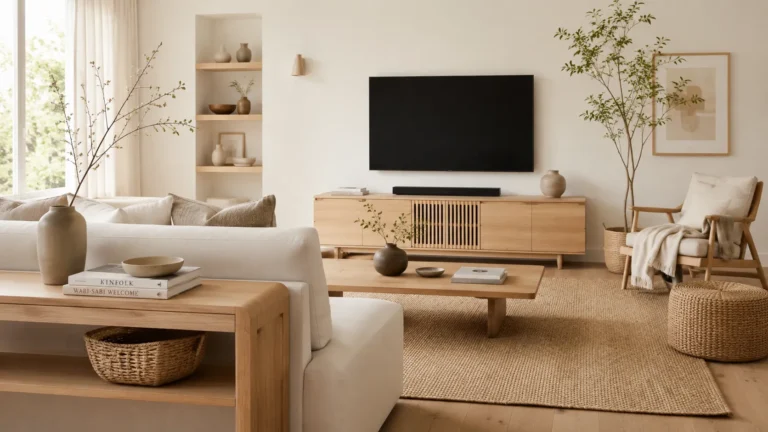
12. Organic Modern
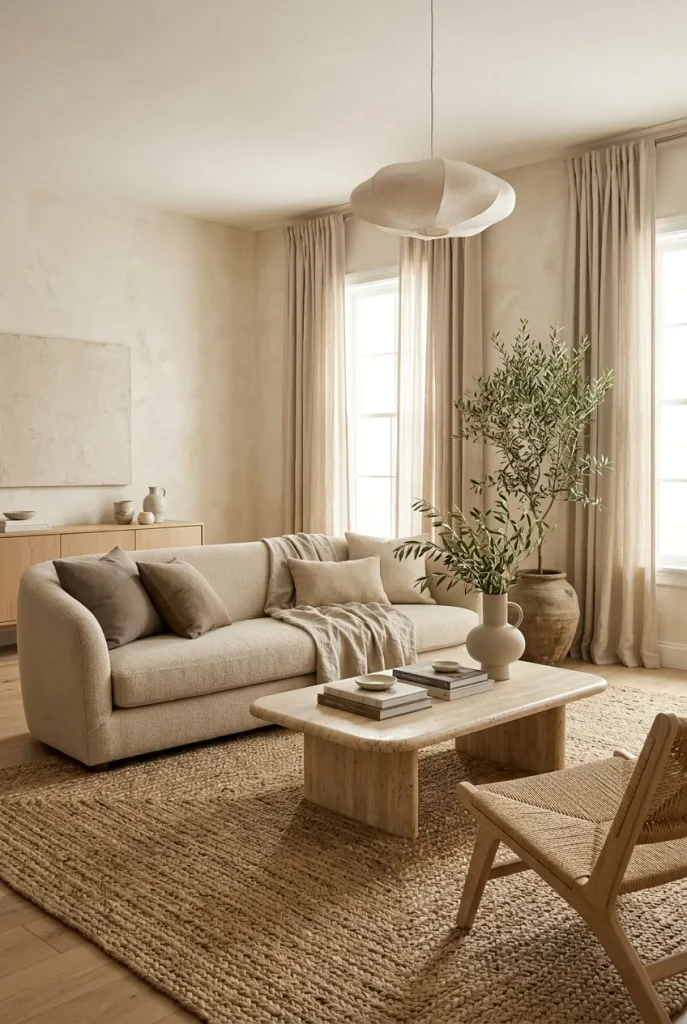
- Natural materials make modern furniture feel warmer and more approachable.
- Curved silhouettes soften hard architectural lines.
- Earthy neutrals create a calm visual foundation.
- Stone, wood, and linen add depth without busy patterns.
Organic modern interiors combine contemporary simplicity with natural materials and earthy textures. Instead of relying on strong colors or elaborate decoration, the style creates interest through variations in wood grain, stone, fabric, and shape. Cream, beige, taupe, warm white, and muted olive create a calming palette that works across many rooms. Curved sofas, travertine tables, linen curtains, and sculptural ceramics can make the space feel sophisticated while still connected to nature. This is a versatile approach for homeowners who want a modern room that feels warm, comfortable, and visually grounded.
Start by choosing a restrained neutral palette, then introduce natural materials in different forms. A light oak console can sit beside a stone table, while linen cushions and a jute rug soften the harder surfaces. Keep decorative objects organic in shape rather than overly ornate. A branch arrangement, handmade ceramic, or textured vase can provide a small focal point without creating clutter. Natural daylight is particularly valuable here, so avoid heavy window treatments when possible. The finished room feels relaxed and refined at the same time, making this style especially appealing for open living areas and peaceful bedrooms.
13. French Country
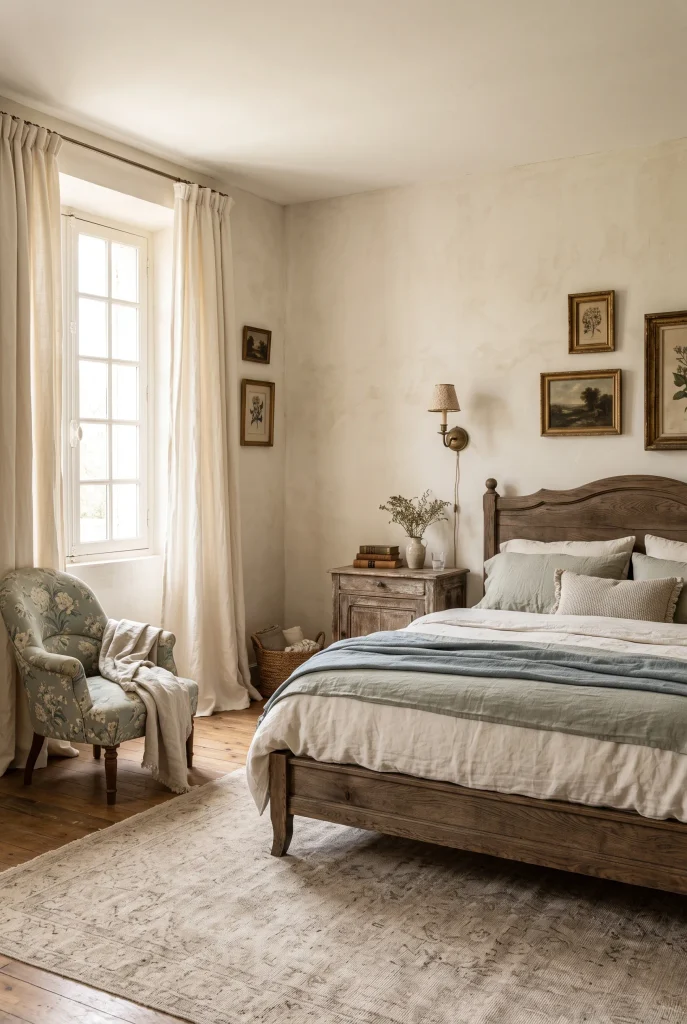
- Weathered wood adds character without making the room feel heavy.
- Soft florals bring gentle pattern and personality.
- Aged brass creates subtle warmth against pale finishes.
- Linen bedding keeps the look relaxed and comfortable.
French country design combines rustic charm with soft elegance, creating spaces that feel collected rather than perfectly matched. Pale woods, linen, antique-inspired furniture, muted florals, and aged metal finishes create its recognizable character. Soft cream, dusty blue, sage green, and warm beige keep the palette relaxed and timeless. This approach works beautifully in bedrooms, dining rooms, and living spaces where comfortable furniture and layered textiles can take center stage. Mixing one or two older-looking pieces with simpler modern furnishings keeps the style fresh instead of making the room feel overly traditional.
You can introduce French country details gradually without completely redesigning a room. Try replacing heavy bedding with washed linen, adding a vintage-style mirror, or using an upholstered chair with a subtle floral pattern. Distressed wood furniture can provide character, while woven baskets and ceramic accessories add practical texture. Keep the overall palette light so the individual details remain easy to notice. Avoid matching every finish perfectly because slight variation helps create the collected appearance that makes this style so inviting. The result is a comfortable interior that feels relaxed, romantic, and naturally lived-in rather than overly formal.
14. Mediterranean Warmth
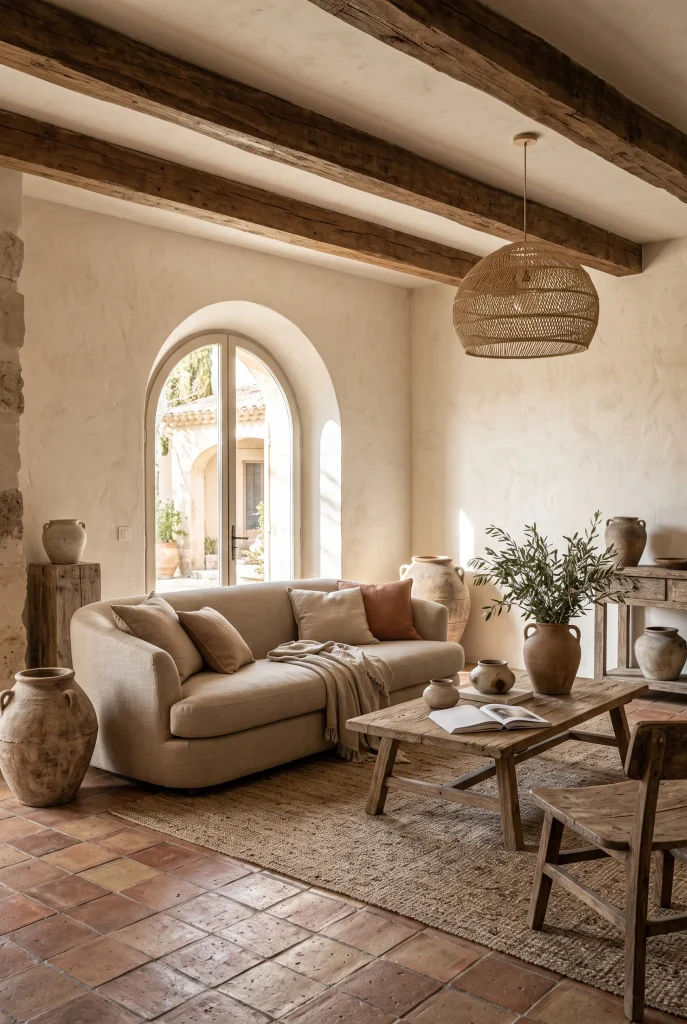
- Terracotta instantly adds warmth and Mediterranean character.
- Arched shapes create a softer architectural feeling.
- Natural stone and wood provide earthy visual depth.
- Warm sunlight enhances the relaxed, vacation-inspired atmosphere.
Mediterranean interiors feel naturally warm because they combine earthy materials, sun-washed colors, organic shapes, and relaxed furniture. Terracotta, sandy beige, creamy plaster, natural stone, rustic wood, and olive green create a palette inspired by coastal landscapes. Arched doorways, curved furniture, ceramic vessels, and woven lighting can strengthen the look without requiring major architectural changes. This approach works particularly well when a room feels too plain or cool because warm materials immediately add character. The goal is to create an inviting environment that feels connected to nature and comfortable enough for slow, everyday living.
You can recreate the atmosphere with simple materials and carefully chosen accents. Consider a terracotta-toned rug, plaster-look walls, a woven pendant, or handmade ceramic pieces as starting points. If the room already has neutral furniture, add warm wood and earthy textiles rather than replacing everything. Keep patterns understated and allow natural materials to provide most of the visual interest. Soft, warm lighting becomes especially important in the evening because it enhances the sun-baked character of the palette. A few olive branches or leafy plants can finish the room with a fresh, organic touch.
15. Cottagecore Charm
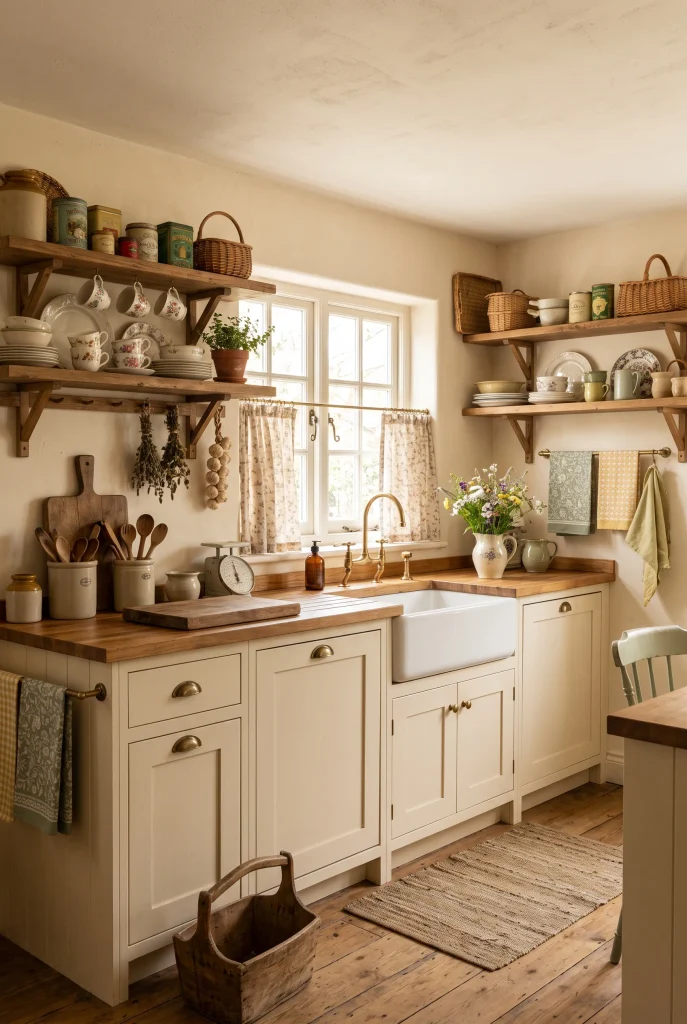
- Floral fabrics bring instant cottage-inspired personality.
- Open shelving makes everyday dishes part of the decor.
- Vintage details add warmth without requiring expensive upgrades.
- Soft colors keep the room cheerful and welcoming.
Cottagecore design celebrates the cozy imperfections and simple pleasures of a traditional home. Floral fabrics, vintage furniture, handmade ceramics, natural wood, woven baskets, and soft colors create an inviting atmosphere that feels personal rather than overly styled. Cream, sage, dusty blue, butter yellow, and warm beige work beautifully as a foundation. The style is especially effective in kitchens, bedrooms, and reading corners where small decorative details can make the space feel more intimate. Instead of chasing perfect coordination, cottagecore allows useful objects, sentimental pieces, and comfortable materials to become part of the room’s personality.
A few thoughtful changes can create the look without turning your home into a themed space. Display everyday dishes on open shelves, add a floral café curtain, place fresh flowers in a simple ceramic pitcher, or introduce a vintage-style lamp. Choose natural materials wherever possible, especially wood, cotton, linen, and woven fibers. Keep larger furniture pieces relatively simple so smaller decorative details do not compete with one another. Cottage-inspired rooms feel most authentic when they include practical items that are genuinely used every day. That lived-in quality is what makes the style so charming.
16. Wabi-Sabi Simplicity
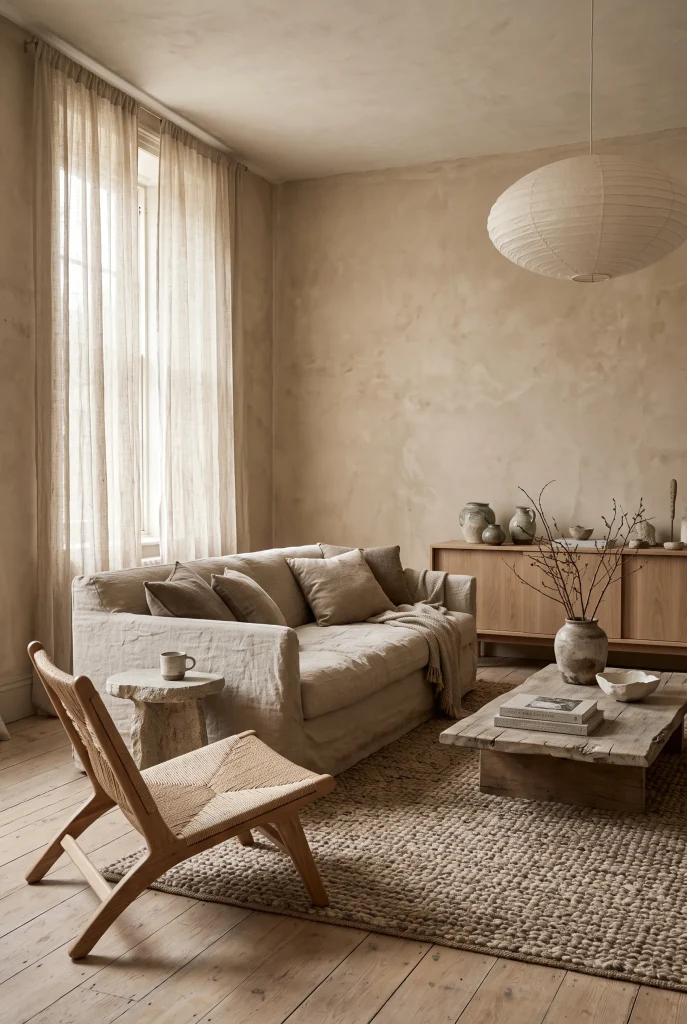
- Handmade pieces add character through natural imperfections.
- Muted earthy colors create a quiet, restful atmosphere.
- Raw wood and stone bring authentic texture into the room.
- Simple arrangements keep attention on meaningful materials.
Wabi-sabi design embraces simplicity, natural materials, and the beauty of imperfection. Instead of creating a perfectly polished room, the approach celebrates handmade ceramics, aged wood, uneven textures, natural stone, and objects that show signs of craftsmanship. Soft cream, taupe, clay, beige, and muted brown create a grounded palette. This makes the style especially appealing when you want your home to feel calmer and less visually demanding. Rather than constantly replacing items to follow trends, choose pieces that can age gracefully and develop character over time while remaining useful in everyday life.
Creating a wabi-sabi-inspired room starts with slowing down the decorating process and choosing materials thoughtfully. Look for a handmade vase, imperfect ceramic bowl, solid wood stool, linen throw, or stone accessory with natural variation. Keep surfaces relatively open so these details have room to breathe. Avoid overly glossy finishes and perfectly coordinated sets because variation is part of the aesthetic. Natural daylight can highlight subtle textures beautifully, while warm evening lighting creates a quieter atmosphere. The finished room should feel comfortable and authentic, proving that a space does not need to be flawless to feel beautiful.
17. Maximalist Expression
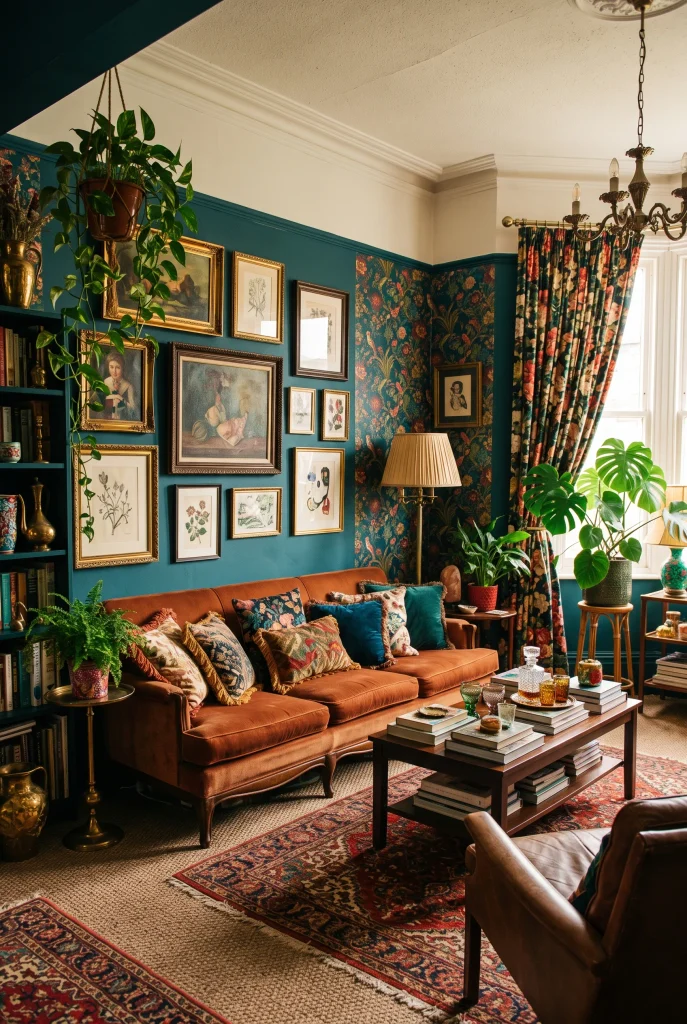
- Layered patterns create a strong sense of personality.
- Rich colors can make ordinary rooms feel more memorable.
- Gallery walls turn blank surfaces into visual focal points.
- Repeating colors keeps bold combinations from feeling chaotic.
Maximalist interiors are designed for people who enjoy color, pattern, art, and expressive details. Instead of keeping every surface restrained, this approach uses layers to create a room that feels abundant and highly personal. Jewel tones, floral patterns, vintage artwork, patterned rugs, statement lighting, and collected accessories can all work together when they share a visual connection. This is one of the popular interior design styles that gives you plenty of freedom to experiment. The key is not simply adding more; it is repeating colors, textures, or shapes so the finished space still feels intentionally composed.
If maximalism feels intimidating, begin with one bold element and build outward. A colorful sofa, patterned wallpaper, dramatic rug, or large gallery wall can become the foundation for the rest of the room. Pull two or three colors from that feature and repeat them through cushions, artwork, curtains, or accessories. Keep some practical areas organized so the visual richness remains enjoyable rather than overwhelming. Maximalist rooms look strongest when the homeowner’s actual interests are visible, whether through books, artwork, travel finds, or vintage pieces. That personal layer makes the design feel authentic rather than simply decorative.
Conclusion
Choosing a design style does not mean every piece in your home needs to match perfectly. The best spaces combine inspiration with your lifestyle, comfort, and personal taste. These popular interior design styles give you plenty of directions to explore, whether you prefer calm minimalism, natural textures, classic elegance, or bold personality. Start with one room or even one small change, such as a new rug, lighting fixture, color palette, or accent chair. Save this article to Pinterest for your next decorating project, try the ideas that speak to you, and share it with someone looking for fresh home inspiration.