21 Ways to Make a Small Bedroom Look Bigger & Brighter

A small bedroom can feel dark, cramped, and difficult to decorate, but a few smart changes can completely transform the way it feels. You can make a small bedroom look bigger with simple design choices that bring in more light, open up the floor, and create visual breathing room. From lighter colors and reflective surfaces to smarter furniture placement and hidden storage, these ideas can help your bedroom feel brighter without adding square footage. The best part is that you do not need a major renovation to see a difference. Small adjustments, such as clearing surfaces, hanging curtains higher, and choosing slimmer furniture, can make the room feel more comfortable, organized, and spacious.
1. Light Color Palette
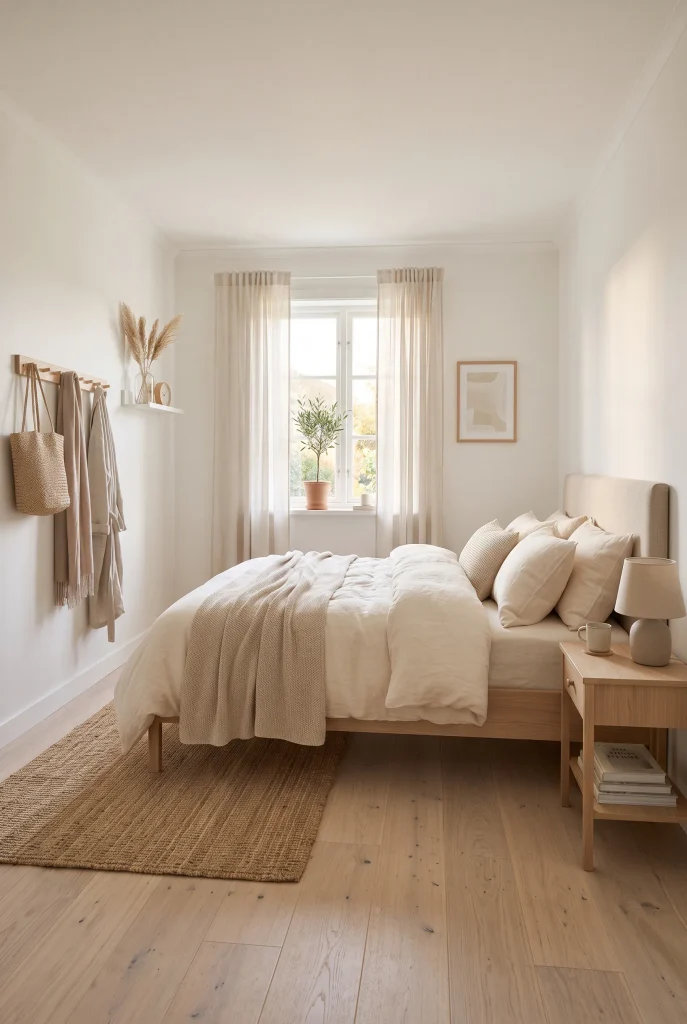
- Soft whites and warm neutrals make the room feel more open.
- Pale furniture reflects light instead of visually weighing down the space.
- Simple bedding keeps the eye moving smoothly around the room.
- A consistent color palette makes a cramped bedroom feel calmer and more spacious.
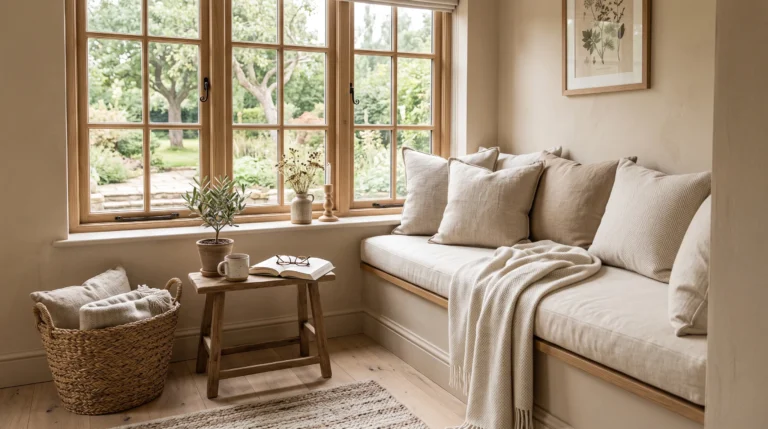
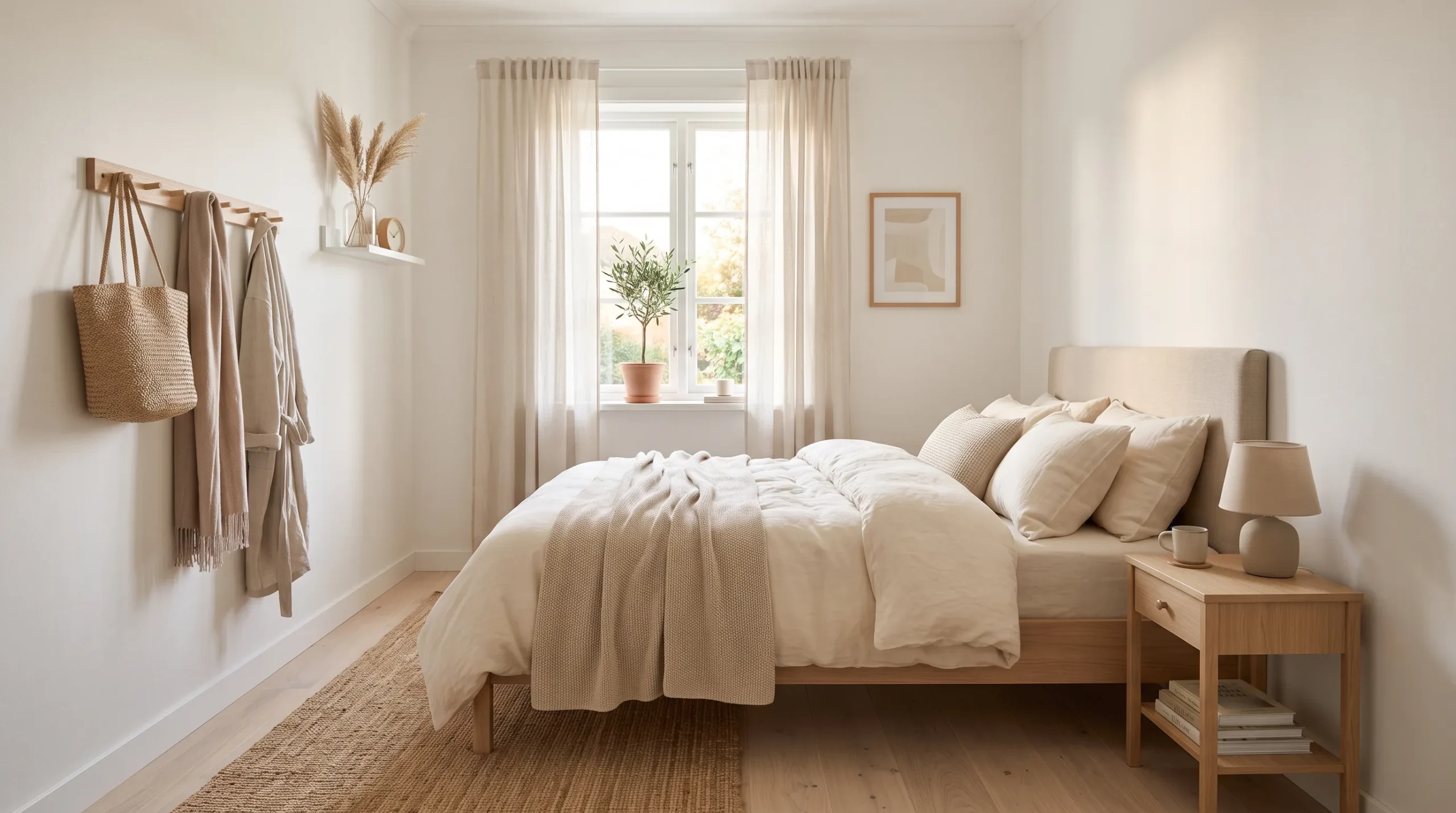
One of the easiest ways to make a small bedroom look bigger is to start with the colors surrounding you. Soft white, ivory, warm beige, and pale greige reflect light and create a seamless visual flow throughout the room. Instead of strong contrasts between the walls, furniture, and bedding, use closely related shades that blend naturally together. This makes boundaries less obvious, helping the bedroom feel wider and less boxed in. A light oak nightstand or cream upholstered bed can add warmth without making the room feel heavy. The result is simple, bright, and surprisingly spacious.
You do not need an entirely white bedroom to create this effect. Warm neutrals can feel just as airy while giving the space more personality and comfort. Try pairing creamy walls with ivory bedding, pale wood furniture, and soft beige curtains. Keep darker colors limited to small accents, such as a picture frame or lamp base, so they do not dominate the room. When the colors work together rather than compete, the bedroom feels cleaner, brighter, and easier to move through.
2. Floor-to-Ceiling Curtains
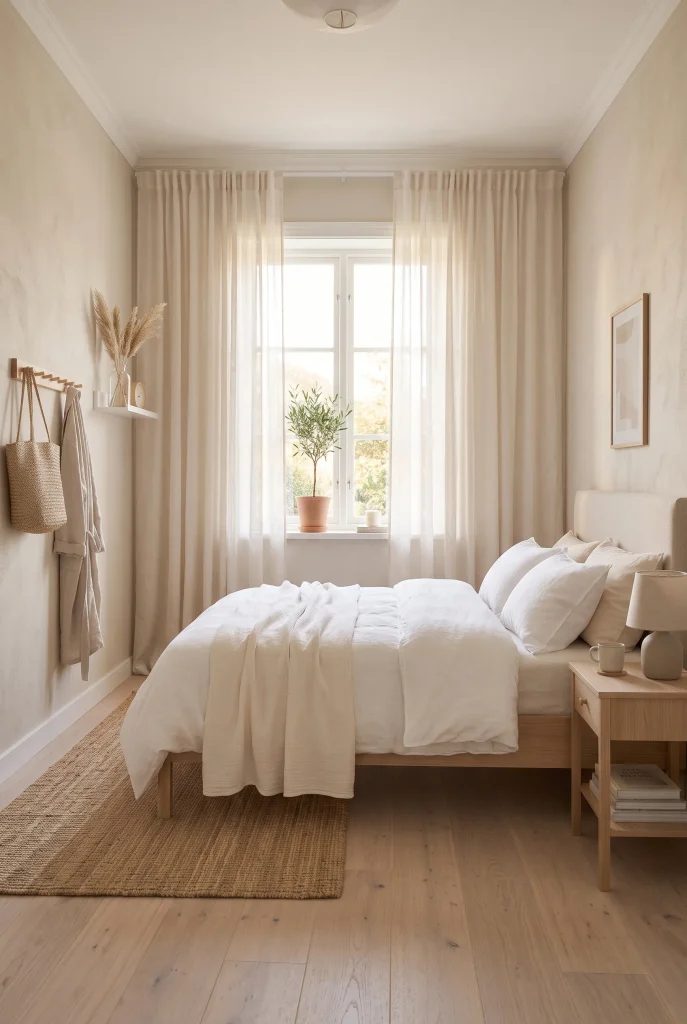
- Mounting curtains higher creates the illusion of taller walls.
- Full-length fabric draws the eye upward and makes the window feel larger.
- Sheer or lightweight curtains keep natural light flowing through the room.
- Choose fabric that lightly skims the floor for a polished finish.
Want a small bedroom to feel taller instantly? Look upward. Hanging curtains close to the ceiling instead of directly above the window creates a longer vertical line, making the walls appear higher. Choose lightweight curtains in white, ivory, or another soft neutral so they frame the window without blocking valuable daylight. Let the panels extend all the way to the floor for a clean, continuous look. This simple change can make a compact room feel more elegant and balanced while giving the window a larger presence.
Curtain placement matters just as much as the fabric itself. If the rod sits only a few inches above the window frame, the room can look visually compressed. Raising it closer to the ceiling changes the proportions and pulls attention upward. For the best effect, choose panels that are wide enough to frame the window generously when open. Sheer curtains are especially useful in smaller bedrooms because they soften sunlight without making the room dark. If privacy is important, layer them with simple blackout panels that can be opened during the day.
3. Floating Nightstands

- Wall-mounted nightstands free up visible floor space.
- The open area underneath makes the bedroom feel less crowded.
- Compact surfaces provide room for a lamp, book, and small decor.
- A pale wood finish adds warmth without creating visual heaviness.
Sometimes the furniture you remove from the floor can make the biggest difference. Floating nightstands create a cleaner sightline beneath the bed area, allowing more flooring to remain visible and making the bedroom feel less crowded. Instead of bulky bedside tables with heavy legs or closed cabinets, choose simple wall-mounted designs with enough space for essentials. A small lamp, book, and decorative object are usually all you need. This approach works especially well in narrow bedrooms where every inch matters. The uninterrupted floor also makes cleaning easier, which is a practical bonus.
If you are trying to make a small bedroom look bigger, pay attention to what your eyes see at floor level. Heavy bedside furniture can visually interrupt the room and make the layout feel tighter. Floating nightstands solve that problem while still giving you useful storage or display space. Mount them at a comfortable height beside the mattress and keep the styling restrained. In smaller rooms, simple bedside surfaces often work better than oversized furniture because they provide function without overwhelming the layout. Pair them with light finishes for an even more open effect.
4. Mirrored Wardrobe Doors

- Mirrored doors visually reflect more light around the room.
- Full-height mirrors can make a narrow bedroom feel wider.
- Built-in wardrobes keep storage visually streamlined.
- Keep the surrounding decor simple so the mirrors remain effective.
A mirror can do more than help with your morning routine. Tall mirrored wardrobe doors reflect light and surrounding surfaces, creating the impression of extra depth in a compact bedroom. Instead of adding a separate full-length mirror that takes up valuable floor space, use the wardrobe itself as the reflective feature. The effect is especially noticeable opposite or near a window, where daylight can bounce through the room. Keep the surrounding furniture simple and light so the reflection does not become visually busy.
For the most spacious effect, choose wardrobe doors with large, uninterrupted mirror panels rather than several small sections. Floor-to-ceiling doors can also emphasize vertical height while making storage feel more integrated into the architecture. If you prefer a softer look, combine mirrored panels with light wood or neutral framing. Reflective surfaces work best when the room already has some natural light to bounce around. They should enhance the space rather than become the only bright element.
5. Under-Bed Storage

- Hidden storage keeps everyday clutter out of sight.
- A clear floor makes the bedroom feel more spacious.
- Matching baskets or drawers create a tidy, intentional appearance.
- Store seasonal items underneath to free up closet space.
Clutter can make even a beautifully decorated bedroom feel much smaller than it really is. Under-bed storage gives you a practical place to hide extra bedding, seasonal clothing, shoes, or rarely used items without adding another piece of furniture. Choose shallow drawers, fabric containers, or woven baskets that slide easily beneath the bed. When the floor around your bed stays clear, the room immediately feels more organized and breathable. This is one of those small-space solutions that improves both appearance and everyday function, especially when storage elsewhere is limited.
The key is keeping the storage visually controlled rather than turning the space underneath into another clutter zone. Use matching containers whenever possible and label them so you can quickly find what you need. A bed with built-in drawers is especially useful because everything stays concealed behind a clean exterior. If you are trying to make a small bedroom look bigger, reducing visible piles and overflowing baskets can be just as effective as changing the decor. A clear floor can make a room feel larger before any major furniture changes are made.
View: 21 Coffee Station Ideas for a Cozy Kitchen You’ll Love
6. Slim Profile Furniture
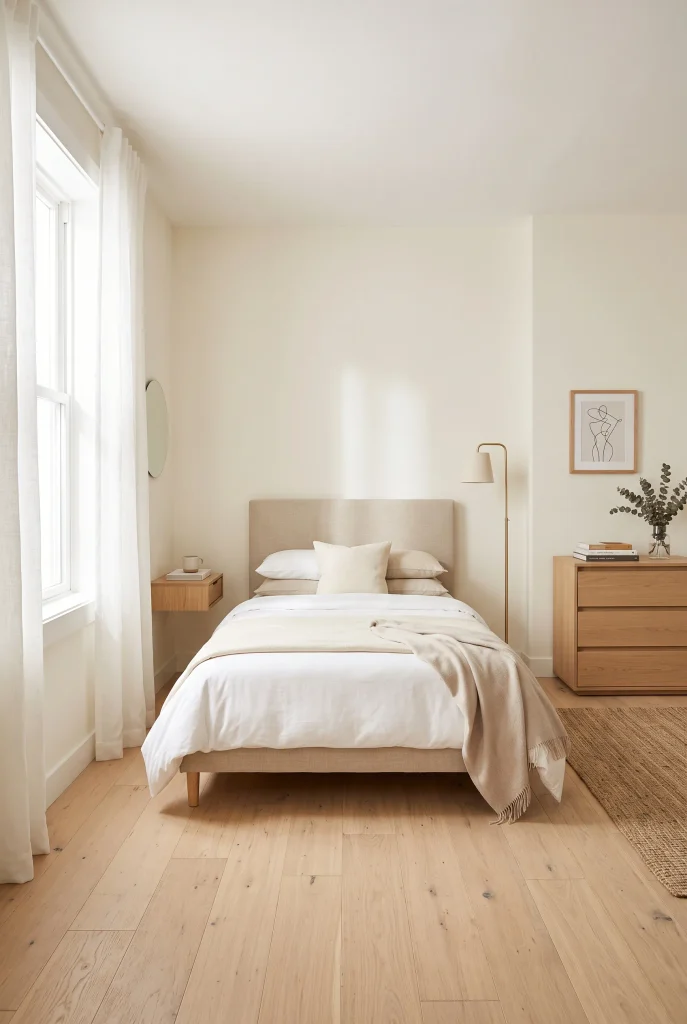
- Slim furniture leaves more visible floor around the room.
- Narrow legs create a lighter visual footprint.
- Compact pieces provide function without overwhelming the layout.
- Choose furniture that fits the room instead of filling every empty corner.
Big furniture can quickly make a small bedroom feel crowded, even when there is technically enough walking space. Choosing pieces with slim proportions creates more breathing room around the bed, walls, and pathways. Look for narrow nightstands, streamlined dressers, slender bed frames, and furniture with visible legs. These details allow more flooring to show through, which makes the entire room feel lighter. You still get the function you need, but the furniture does not visually dominate the space. The goal is not to own less furniture at all costs; it is to choose better proportions.
Before buying anything new, measure the room and map out the furniture footprint with painter’s tape. This simple trick lets you see whether a piece will leave enough space for comfortable movement. Avoid choosing oversized furniture simply because the room has an empty corner. That corner may be useful visual breathing space. Light wood, soft upholstery, and simple silhouettes can further reduce visual weight. Appropriately scaled furniture can make a bigger difference than adding decorative tricks because it improves the room’s actual proportions and how easily you move through it.
7. Vertical Wall Paneling
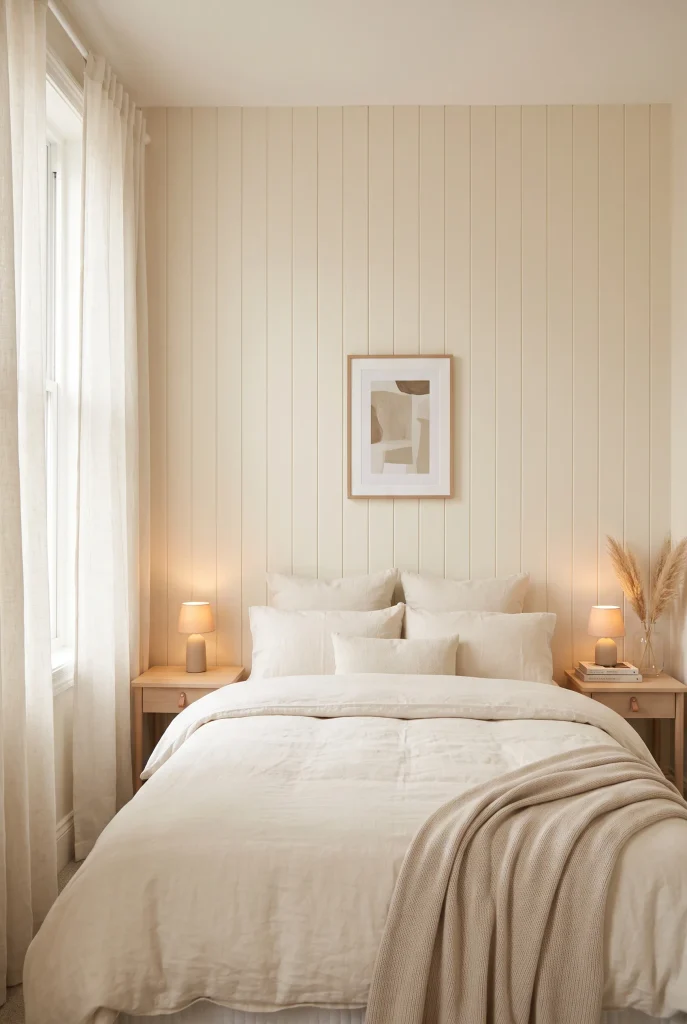
- Vertical lines naturally draw the eye upward.
- Simple paneling adds architectural interest without taking floor space.
- Light paint keeps the feature wall bright and airy.
- Use evenly spaced panels for a clean, tailored appearance.
When floor space is limited, use the walls to create a stronger sense of height. Vertical wall paneling draws the eye upward, making the ceiling appear taller and the bedroom feel more spacious. The effect works particularly well behind the bed because it creates a defined focal point without requiring large artwork or bulky decoration. Keep the panels slim and evenly spaced so the wall feels structured rather than busy. Painting the paneling in the same light shade as the surrounding walls can make the effect even more subtle and sophisticated.
You do not need elaborate molding to get the benefit. Simple vertical battens, narrow wood slats, or painted trim can create the same upward movement. For a brighter result, choose warm white, ivory, soft greige, or another pale neutral. Avoid covering every wall if the room is already visually busy; one feature wall is usually enough. Vertical details work especially well in bedrooms with low ceilings because they shift attention away from limited horizontal space. The result feels taller, calmer, and more intentionally designed.
8. Clear Floor Space
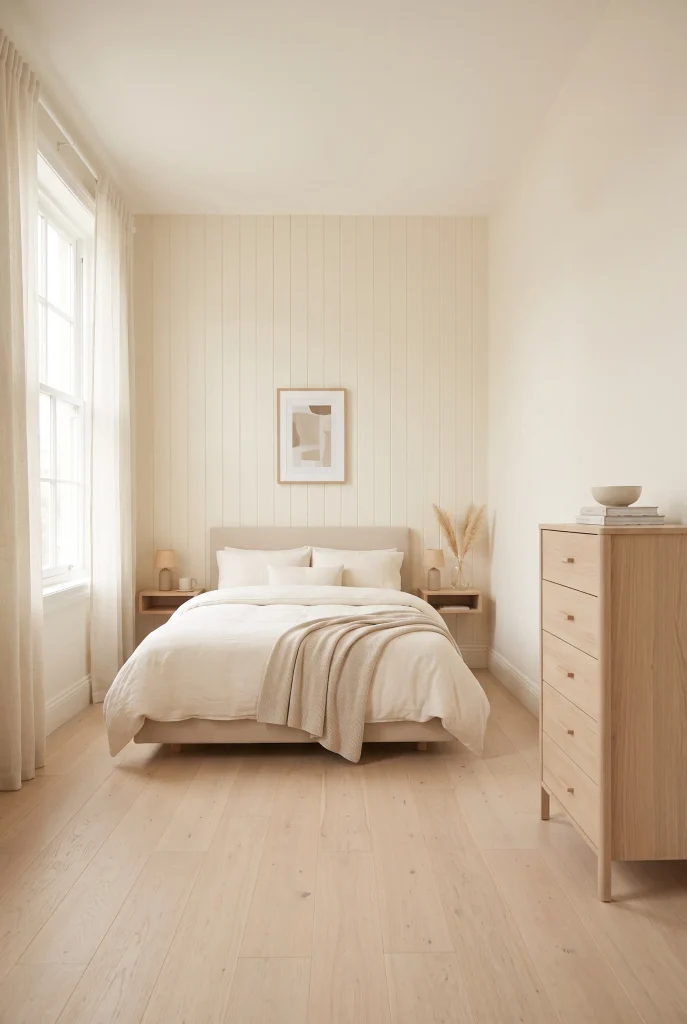
- Visible flooring creates an immediate sense of openness.
- Keep pathways clear around the bed and doorway.
- Replace unnecessary floor accessories with wall-mounted alternatives.
- A simple layout often feels larger than a heavily decorated one.
One of the simplest ways to make a small bedroom look bigger is to let more of the floor remain visible. Every basket, chair, plant stand, and extra table takes away from the visual openness of the room. Start by removing anything that does not serve a clear purpose, then arrange the remaining furniture so walking paths feel natural. Even a few extra inches around the bed can change how spacious the room feels. When the floor looks continuous rather than interrupted, the bedroom feels more open and easier to navigate.
This does not mean your bedroom needs to feel empty or cold. The goal is intentional placement rather than minimalism for its own sake. Move bulky pieces against the walls, use floating furniture where possible, and avoid placing decorative objects directly in walking paths. A soft rug can still add comfort, but choose one that works with the bed and does not visually chop the floor into too many sections. Clearing unnecessary floor clutter is one of the fastest improvements because it costs nothing and changes the room immediately.
9. Large-Scale Artwork

- One large artwork can look calmer than several small pieces.
- A strong focal point reduces the need for extra wall decor.
- Keep the artwork’s palette connected to the bedroom colors.
- Center the piece carefully above the bed for visual balance.
It may seem surprising, but one large piece of artwork can make a small bedroom feel more polished and less cluttered than a wall covered with several tiny frames. A generously sized print creates one clear focal point, giving the eye somewhere intentional to rest. Choose artwork with a simple composition and colors that complement your bedding and walls. Instead of filling every empty section, let the surrounding wall remain visible. That negative space helps the room breathe and prevents the decor from making the bedroom feel visually compressed.
The trick is choosing scale without overwhelming the bed or wall. A wide horizontal artwork or vertically oriented piece can work beautifully depending on the room’s proportions. Keep the frame simple, especially if the artwork itself has strong detail. If you love gallery walls, consider limiting them to one carefully arranged section rather than spreading small frames throughout the room. A small bedroom benefits from visual hierarchy. When one feature leads the design and everything else supports it, the space feels more organized, sophisticated, and spacious.
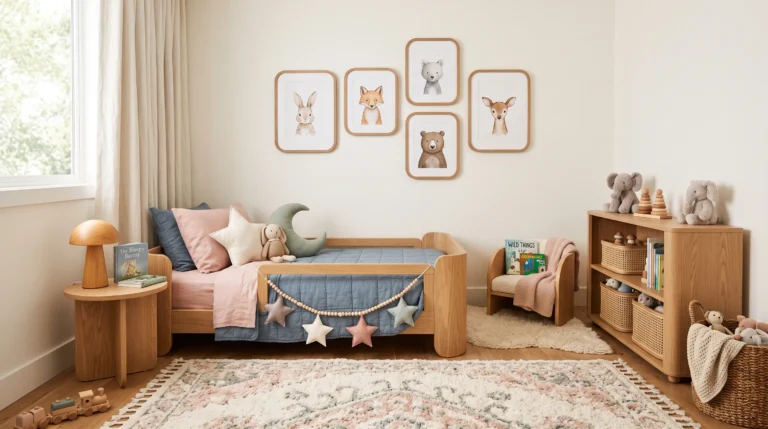
10. Low-Profile Bed

- A lower bed creates more visible wall space above it.
- Simple platform designs reduce visual bulk.
- Light bedding keeps the composition bright and balanced.
- Pair the bed with compact furniture to preserve open pathways.
Sometimes making a bedroom feel larger starts with lowering the furniture. A low-profile bed leaves more visible wall space above the mattress, which can make the ceiling feel higher and the room less crowded. Choose a streamlined platform frame without oversized upholstery, tall footboards, or heavy decorative details. Keep bedding relaxed and relatively simple so the bed does not become a bulky visual block. This approach works especially well in compact bedrooms where a traditional tall bed can dominate the entire layout.
The height of the bed also affects how much flooring your eye can see around it. A lower frame combined with floating nightstands or slim furniture creates a continuous visual flow from floor to wall. You can still add comfort with layered throws and pillows, but avoid excessive volume. If your bedroom has a low ceiling, this proportion can be particularly helpful. Lowering the visual center of the room can make the upper half feel more open, giving the bedroom a calmer and more spacious appearance.
11. Wall-Mounted Lighting
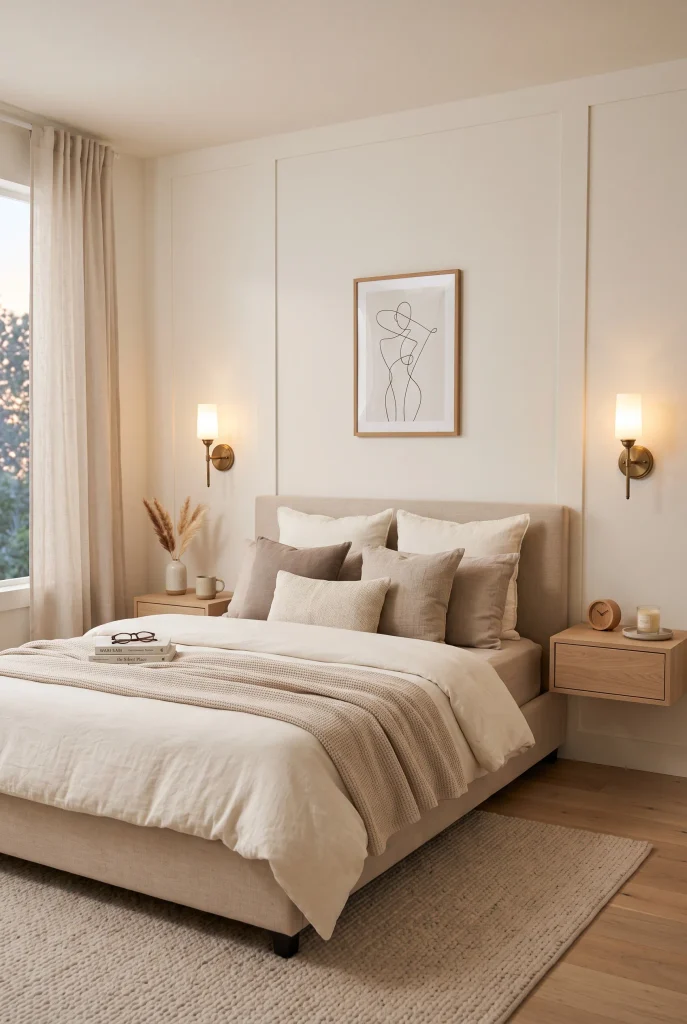
- Wall sconces free valuable space on small nightstands.
- Mounted lighting keeps the floor and furniture visually lighter.
- Adjustable fixtures provide useful reading light beside the bed.
- Simple designs add style without creating unnecessary clutter.
A bedside lamp does not have to occupy your nightstand. Wall-mounted sconces free that surface while creating a cleaner, more streamlined bedroom layout. With the lighting attached directly to the wall, you can keep the nightstand limited to essentials such as a book, small plant, or glass of water. This reduces visual clutter around the bed and makes the furniture feel less crowded. Choose slim fixtures with simple shades or clean metal finishes that complement your existing decor. The result is practical, stylish, and especially useful when bedside space is limited.
Placement makes a major difference with wall lighting. Install each sconce at a comfortable reading height and position it close enough to the bed for useful illumination without creating glare. Swing-arm fixtures are particularly flexible because they can be directed where needed and folded neatly against the wall afterward. For a softer atmosphere, choose warm bulbs rather than harsh cool lighting. Removing even one object from each nightstand can make a small bedroom feel more organized, while wall-mounted lighting adds an intentional design detail.
12. Hidden Storage Solutions
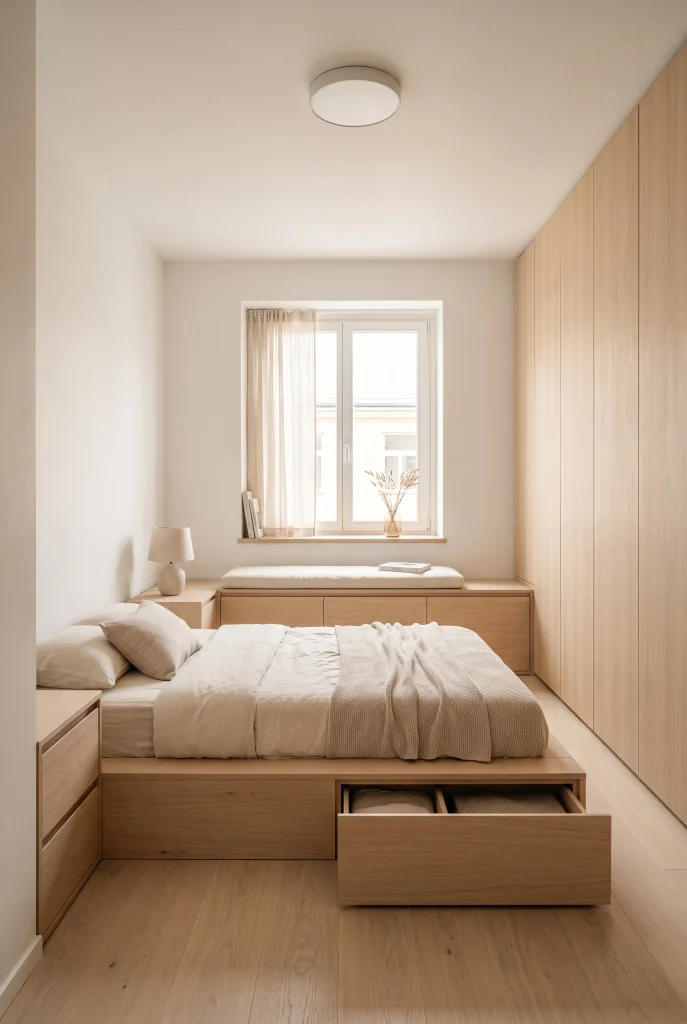
- Closed storage keeps everyday belongings out of sight.
- Built-in solutions use awkward corners more efficiently.
- A storage bench can provide seating and hidden organization.
- Keep visible surfaces nearly empty for a calmer appearance.
When storage is visible everywhere, a small bedroom can quickly feel overwhelmed. Hidden storage solves the problem by giving everyday belongings a dedicated place without adding visual noise. Consider a bed with built-in compartments, a window bench with lift-up storage, a built-in wardrobe, or bedside drawers with closed fronts. These solutions allow you to keep clothing, extra linens, accessories, and other items nearby while maintaining a clean visual surface. The fewer objects competing for attention, the more spacious and peaceful the room tends to feel.
Start by identifying what regularly ends up on the floor, chair, or dresser. Those items usually reveal where additional storage is needed most. Use closed containers for things you access less often and reserve easy-to-reach drawers for everyday essentials. Built-in storage is particularly valuable because it can follow the exact shape of the room instead of forcing standard furniture into awkward spaces. If you want to make a small bedroom look bigger, think beyond decoration. Better organization can change the visual proportions of the room just as effectively as a new color scheme.
13. Glass Nightstands
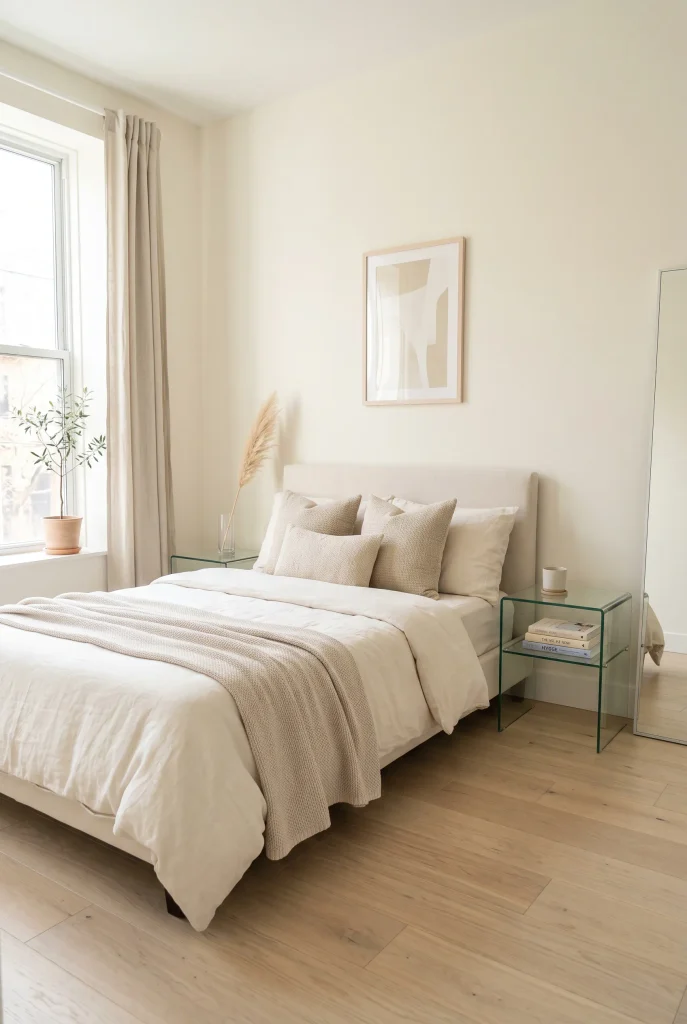
- Transparent furniture keeps the visual line of the floor uninterrupted.
- Glass surfaces reflect light without adding heavy visual weight.
- Choose compact designs with simple metal or wood details.
- Keep the styling minimal so the transparent effect remains noticeable.
Transparent furniture can be surprisingly effective in a compact bedroom because it provides function without visually filling the space. A glass nightstand gives you a useful surface for a lamp, book, or small decorative object while allowing the flooring and wall behind it to remain visible. That uninterrupted sightline creates a lighter composition around the bed. Choose a simple design with a thin frame rather than a bulky glass cabinet. The goal is to provide the function of a bedside table while making the furniture almost disappear into the surrounding room.
Glass works particularly well when paired with light colors and plenty of daylight. Position the nightstand near a window or other natural light source so the transparency remains visible throughout the day. If fingerprints or cleaning are a concern, choose tempered glass with a simple frame that is easy to maintain. Acrylic furniture can also create a similar effect. Transparent pieces are most useful when a room needs another functional surface but cannot visually handle another solid block of furniture.
14. Corner Furniture Placement
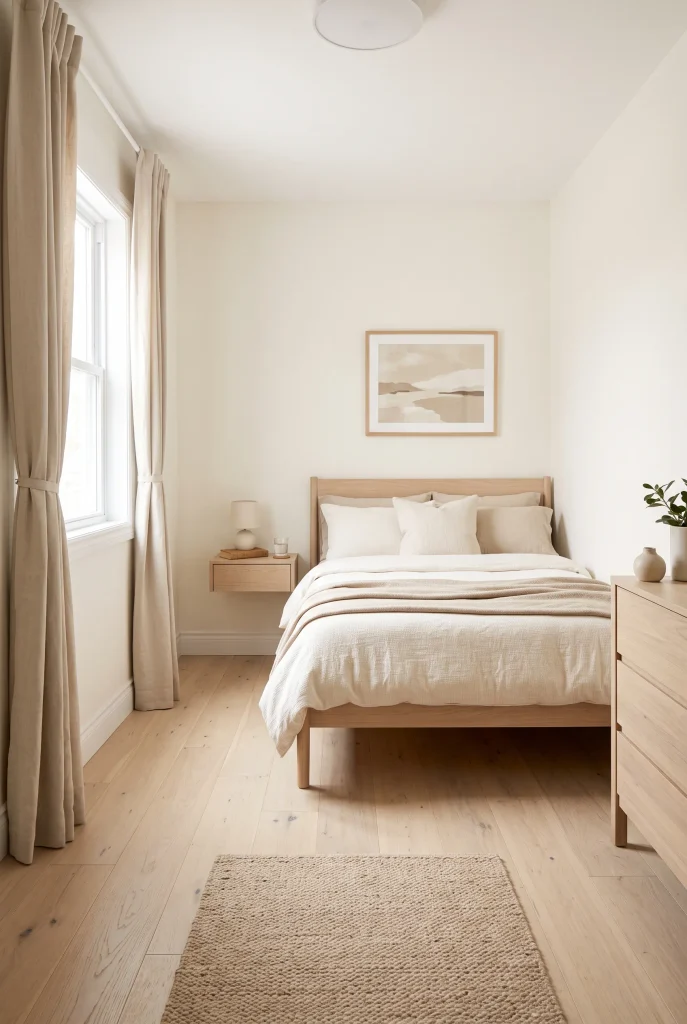
- Corner placement can open up the center of a small bedroom.
- Use the remaining wall space for compact storage.
- Keep the walkway clear to maintain visual flow.
- A carefully planned layout can make awkward proportions feel intentional.
The way furniture sits within a room can matter more than the amount of furniture you own. In a compact bedroom, pushing larger pieces toward the corners can leave the center more open and create a clearer walking path. A bed positioned strategically against one wall may free enough space for a narrow dresser or compact seating area elsewhere. This arrangement works especially well in rooms where a traditional centered layout leaves awkward gaps. The goal is to create one obvious pathway rather than dividing the available floor into several cramped sections.
Before moving the bed, measure your walking space and make sure doors, drawers, and closet panels can open comfortably. You should never sacrifice everyday function simply to create an open-looking center. If the room is narrow, place the largest furniture pieces along the longest uninterrupted walls whenever possible. Keep smaller items close to corners so they do not interrupt circulation. A bedroom often feels larger when the movement through it is obvious. A clean pathway makes the entire layout feel more deliberate and easier to use.
15. Soft Layered Lighting
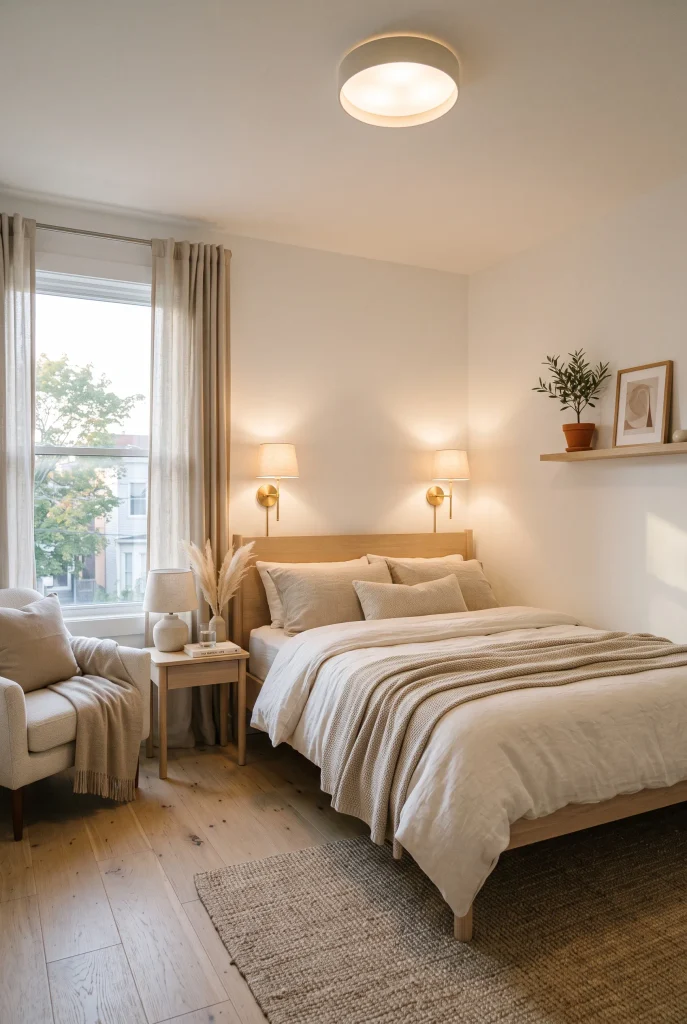
- Multiple light sources prevent dark corners from making the room feel smaller.
- Warm bedside lighting adds depth after sunset.
- Soft ceiling light keeps the entire room evenly illuminated.
- Layered lighting makes the space feel inviting at different times of day.
A small bedroom can feel surprisingly cramped when certain corners disappear into shadow. Layered lighting solves this by spreading illumination throughout the room instead of relying on one central fixture. Combine natural daylight with a ceiling light, bedside sconces, and perhaps a small accent lamp. Each source serves a different purpose while helping eliminate dark areas that can visually shrink the space. Choose warm, soft bulbs for a comfortable atmosphere and brighter task lighting where you need it. The result is a bedroom that feels open during the day and cozy rather than enclosed at night.
Start with the room’s natural light and build from there. Keep windows as unobstructed as possible, then add lighting to areas that remain dim after sunset. Wall sconces are useful beside the bed, while a slim floor lamp can brighten an empty corner without requiring a large table. Avoid using only one harsh overhead fixture because it can create strong shadows and flatten the room visually. Balanced lighting can completely change how a small bedroom feels, making the space appear brighter, softer, and more welcoming without adding square footage.
16. Minimal Bedding Layers
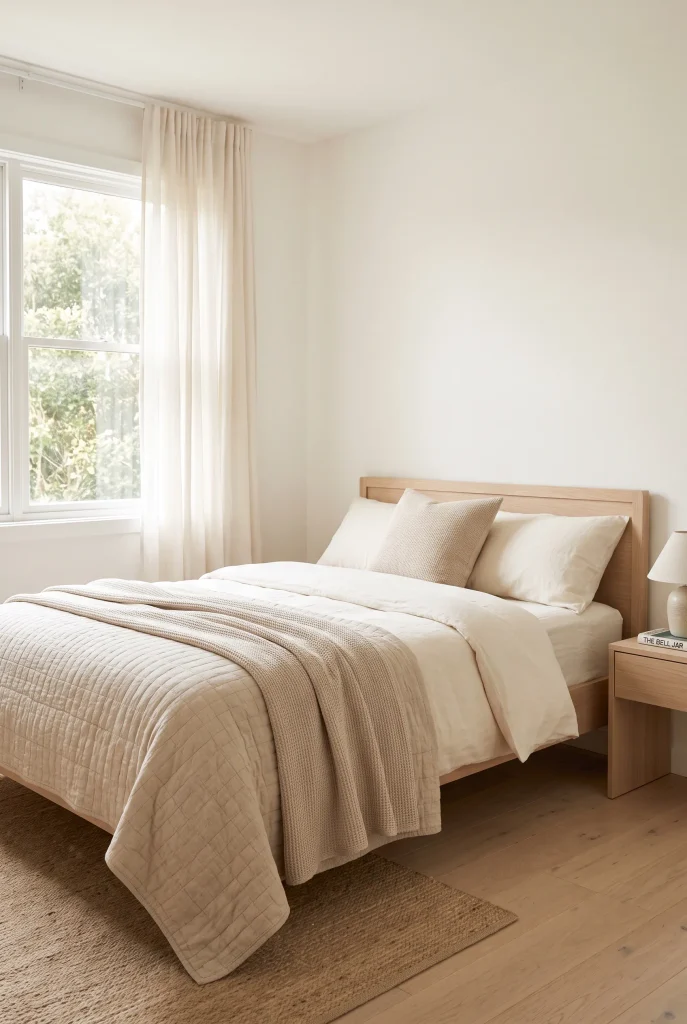
- Lightweight bedding keeps the bed from looking visually oversized.
- Soft neutral layers create depth without adding clutter.
- Limit decorative pillows to preserve a clean silhouette.
- A simple throw adds texture without overwhelming the room.
The bed is usually the largest object in a bedroom, so its styling has a major effect on how spacious the room feels. Too many pillows, thick blankets, and oversized throws can make the bed appear larger and heavier than it actually is. Instead, use lightweight layers in soft neutral shades such as ivory, cream, beige, or pale gray. Keep the arrangement relaxed but intentional, with just enough texture to make the bed inviting. A cleaner bed profile allows more of the room’s walls and surrounding floor to remain visually noticeable.
You can still make the bedroom feel cozy without covering the mattress in layers. Try one quilt or duvet, two sleeping pillows, and a single folded throw at the foot of the bed. If you want more personality, introduce texture through linen, cotton, or subtle woven fabrics rather than adding more objects. This approach keeps the largest visual element of the room under control. Simplifying the bed often creates an immediate sense of openness because the eye can focus on the overall room instead of one oversized, heavily decorated focal point.
17. Open Shelving
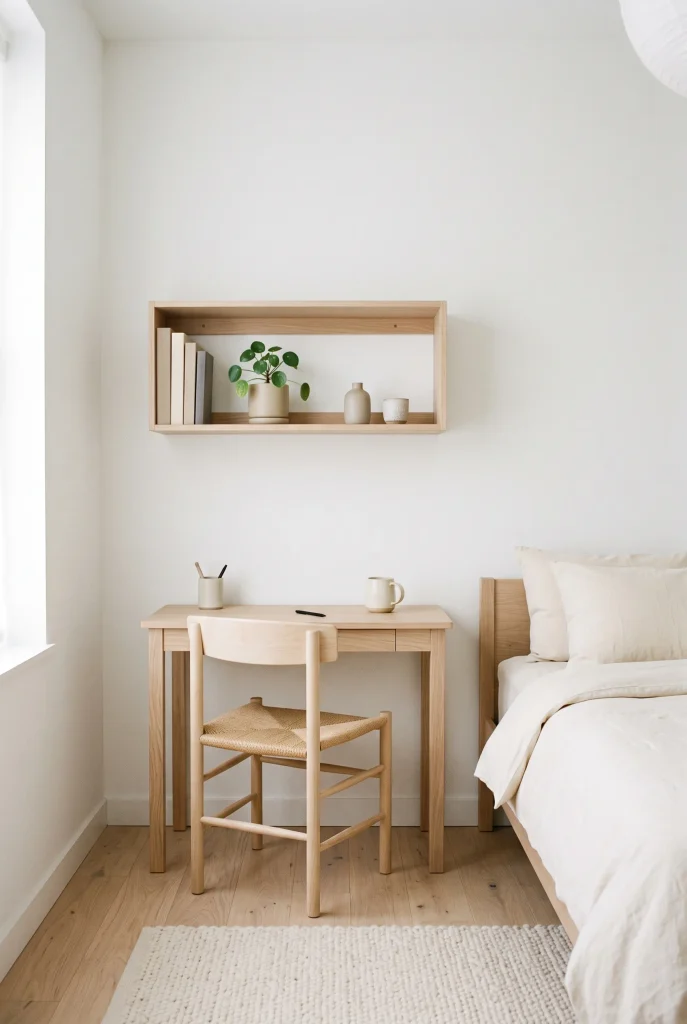
- Open shelves use vertical space without consuming floor area.
- Keep only a few attractive and useful objects on display.
- Light wood or white shelving blends easily into small rooms.
- Avoid overcrowding the shelves, which can create visual noise.
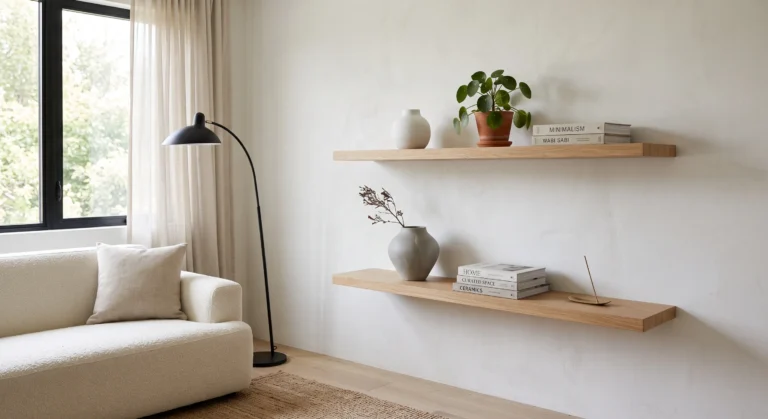
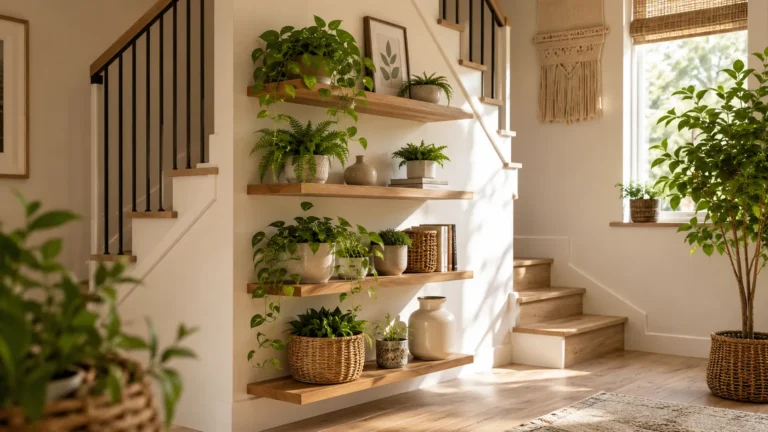
When floor space is scarce, take your storage upward. A narrow open shelf can provide room for books, framed art, a small plant, or everyday essentials without requiring another cabinet or table. Mounting the shelf on an unused wall keeps the floor clear and gives the room a more vertical feel. The trick is restraint. A few carefully selected pieces can add personality while leaving plenty of visible wall around them. This creates useful storage without introducing the heavy visual block that a large freestanding shelving unit might create.
Open shelving works best when the items displayed have a consistent color story. Try combining neutral books, simple ceramics, natural wood, and one or two small plants. Avoid filling every inch because empty shelf space is part of the design. If you need substantial storage, closed cabinets may be more practical, while open shelves can handle lighter decorative pieces. A single well-styled shelf often feels more spacious than several small storage units scattered around a room because it concentrates visual interest in one controlled area.
18. Seamless Built-Ins
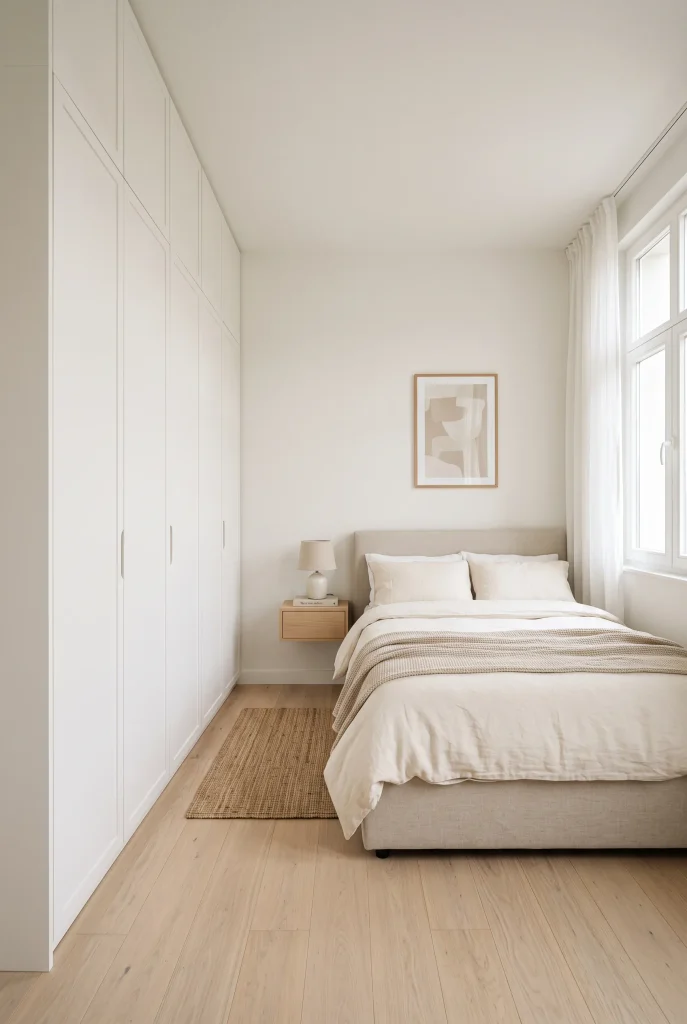
- Built-ins use the room’s full height efficiently.
- Matching the cabinetry to the walls reduces visual contrast.
- Floor-to-ceiling storage keeps belongings organized without scattered furniture.
- Handleless or minimal hardware creates an especially streamlined appearance.
Built-in storage can transform a difficult small bedroom because it uses vertical space while keeping the overall design visually consistent. A floor-to-ceiling wardrobe painted in the same shade as the walls appears more integrated than a freestanding cabinet, making the room feel less fragmented. You gain substantial storage without introducing another contrasting furniture shape. For an especially clean look, choose flat doors, minimal hardware, and a finish that closely matches the surrounding walls. This creates a continuous surface that lets the eye move smoothly around the room.
The most useful built-ins are designed around the room rather than simply placed inside it. Use the full wall height for less frequently used items, then keep everyday clothing within easy reach. If there is a narrow gap beside the bed, consider custom cabinetry that fits precisely into the available space. This can be more efficient than trying to squeeze standard furniture into an awkward layout. When the storage looks like part of the architecture, the bedroom feels calmer and more intentional. That seamless appearance can make a noticeable difference in a compact space.
19. Reflective Wall Accents

- A large mirror creates the illusion of additional depth.
- Position reflective surfaces where they can capture natural light.
- Simple frames keep the look elegant and uncluttered.
- One well-placed mirror can have more impact than several small ones.
A well-placed mirror can visually extend a small bedroom by reflecting light, furniture, and surrounding space. Positioning one opposite or beside a window is especially effective because it bounces natural daylight deeper into the room. Choose a large, simple mirror rather than several small decorative ones if your goal is to create a stronger sense of openness. A frameless design or slim neutral frame keeps the effect subtle. When the reflection shows a bright, uncluttered area, the room can appear to have more depth than it actually does.
Think carefully about what the mirror will reflect before hanging it. A mirror facing a messy dresser or crowded corner will simply duplicate the clutter. Instead, use it to reflect a window, attractive artwork, light-colored bedding, or another visually calm area. Floor-length mirrors can also emphasize vertical space while providing a practical dressing feature. Mirrors work best when they feel like part of the room’s layout rather than an afterthought. The right placement can brighten a dark corner and make the entire bedroom feel more open.
20. Monochromatic Decor

- Similar shades create a smoother visual transition between surfaces.
- Tonal layers add depth without making the room feel busy.
- Use texture to keep a neutral palette from looking flat.
- Keep stronger colors limited to small decorative accents.
A monochromatic color scheme can make a compact bedroom feel calmer because fewer contrasting colors compete for attention. Instead of separating the room into obvious visual sections, use several shades from the same family across the walls, bedding, curtains, rug, and furniture. Cream, ivory, beige, warm greige, and pale taupe work beautifully together. The subtle differences keep the room interesting while allowing the overall design to feel continuous. This visual consistency can help the bedroom appear more cohesive, especially when the available floor and wall space is limited.
A monochromatic room does not have to be boring or completely beige. Texture becomes important when the colors are similar, so mix linen bedding, woven baskets, soft rugs, wood grain, and lightly textured curtains. These details create depth without introducing strong visual breaks. You can also add a small amount of black, brass, or muted green through a lamp, frame, or plant. The key is keeping accents controlled. When the main surfaces share a related palette, the room feels less fragmented and more visually spacious.
21. Decluttered Surfaces
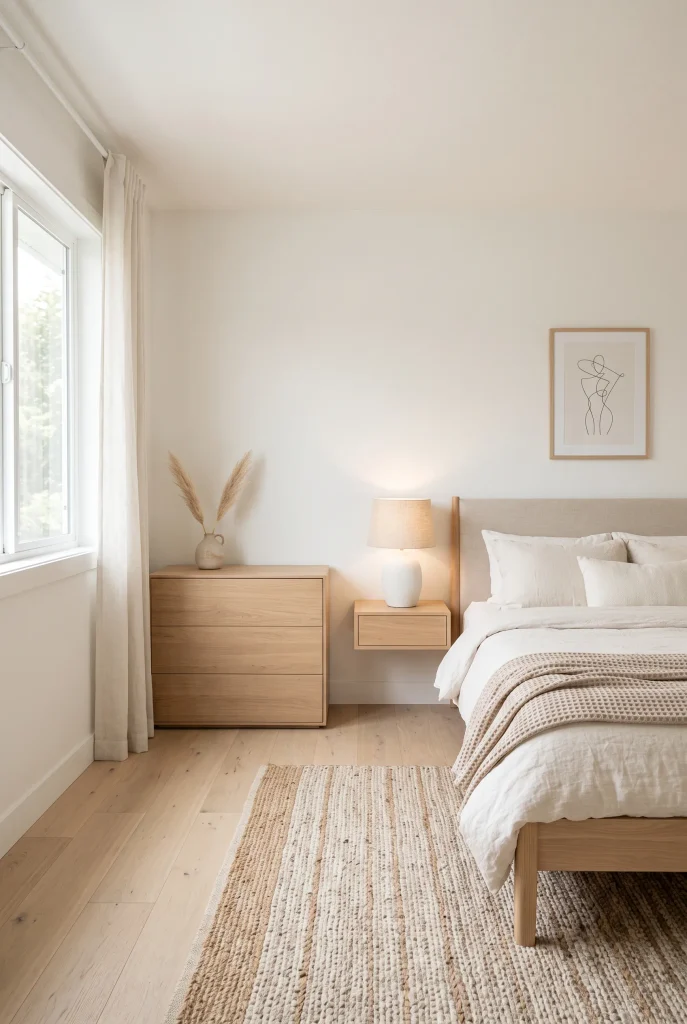
- Clear surfaces make the bedroom look instantly more organized.
- Keep only everyday essentials within easy reach.
- Use drawers and baskets to hide smaller items.
- Leave intentional empty space so the room can visually breathe.
A crowded dresser can make a small bedroom feel smaller almost instantly. When every surface is covered with cosmetics, books, chargers, decor, and miscellaneous items, the eye has nowhere to rest. Clear the visual noise by keeping only a few useful or beautiful pieces on display. One lamp, a small vase, or a framed photo can be enough. Store everything else in drawers, baskets, or closed cabinets. This simple change can make the furniture appear smaller and the surrounding walls feel more open without requiring new decor or expensive upgrades.
Start with the surfaces you use most often, such as the nightstand and dresser. Remove everything and return only the items you genuinely need. Group small belongings inside trays or containers so they look intentional rather than scattered. Keep cables hidden whenever possible, and avoid using every empty surface as storage. If you want to make a small bedroom look bigger, creating visual breathing room is just as important as choosing light colors or reflective materials. Even a quick decluttering session can make a compact bedroom feel noticeably fresher and more spacious.
Conclusion
A small bedroom does not have to feel limited. The right colors, furniture proportions, lighting, storage, and layout can create a room that feels brighter, calmer, and more open. If you want to make a small bedroom look bigger, start with one or two changes that fit your space and budget, then build from there. Even simple adjustments can create a surprisingly noticeable transformation. Save this article on Pinterest so you can return to your favorite ideas when you are ready to refresh your room. Share it with someone who could use a little more space and inspiration, too.