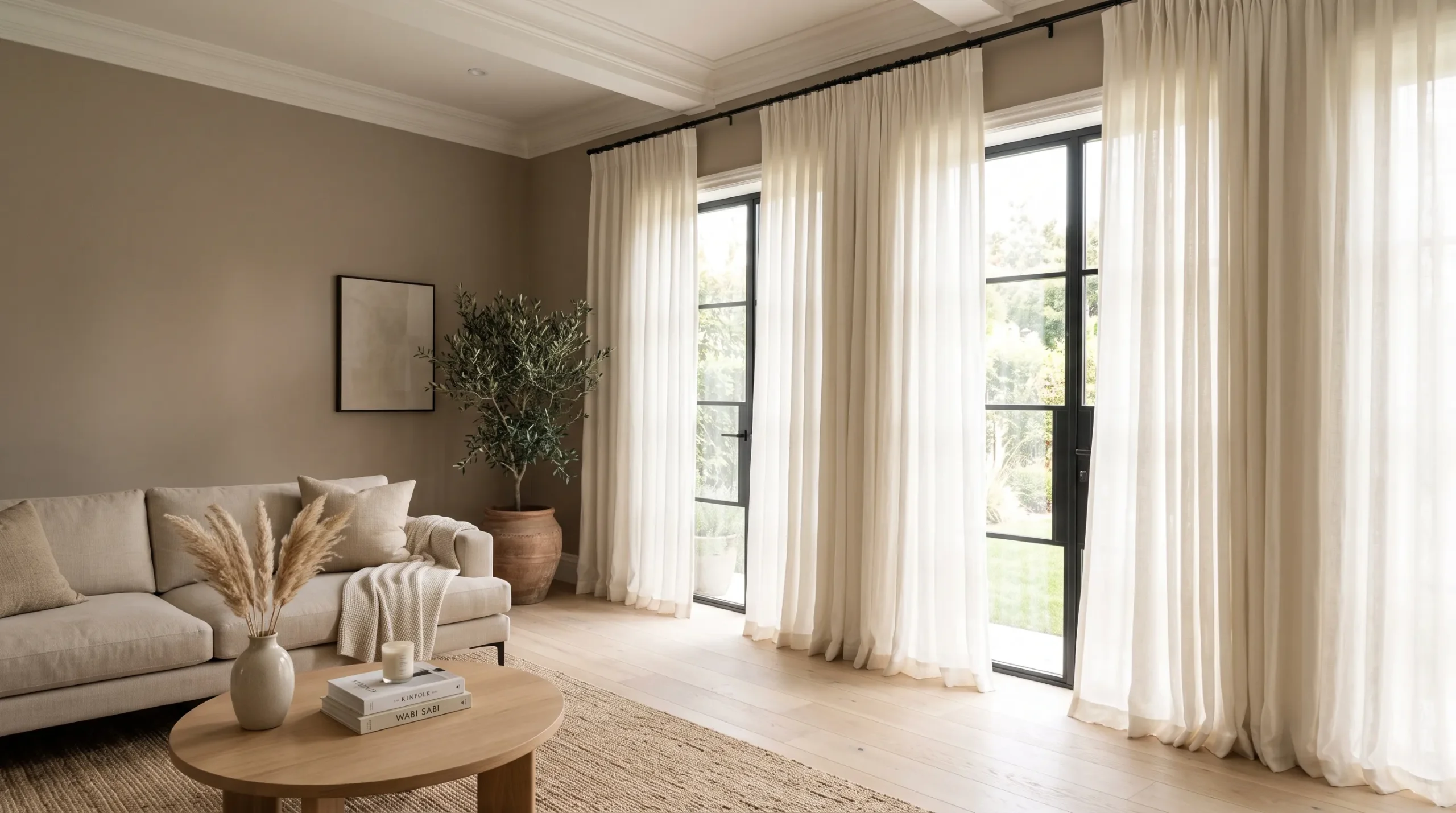
23 Budget Home Decor Ideas That Look Totally Expensive
Are you tired of feeling like your home needs a massive renovation just to look put-together? I know the feeling. Sometimes, scrolling through beautifully styled inspiration feeds can feel overwhelming when you’re working with a tight budget. But here’s a secret I’ve learned: creating a space that looks incredibly expensive rarely requires a complete overhaul. Instead, it’s about making smart, intentional tweaks that trick the eye and elevate the atmosphere. In this post, we’re exploring my absolute favorite budget home decor ideas that deliver maximum visual impact with minimal spending. Whether you’re looking to warm up a sterile living room, add architectural character to a blank hallway, or simply make your everyday spaces feel more luxurious, these simple updates are going to change the way you see your home. Let’s dive in and start transforming your space today!
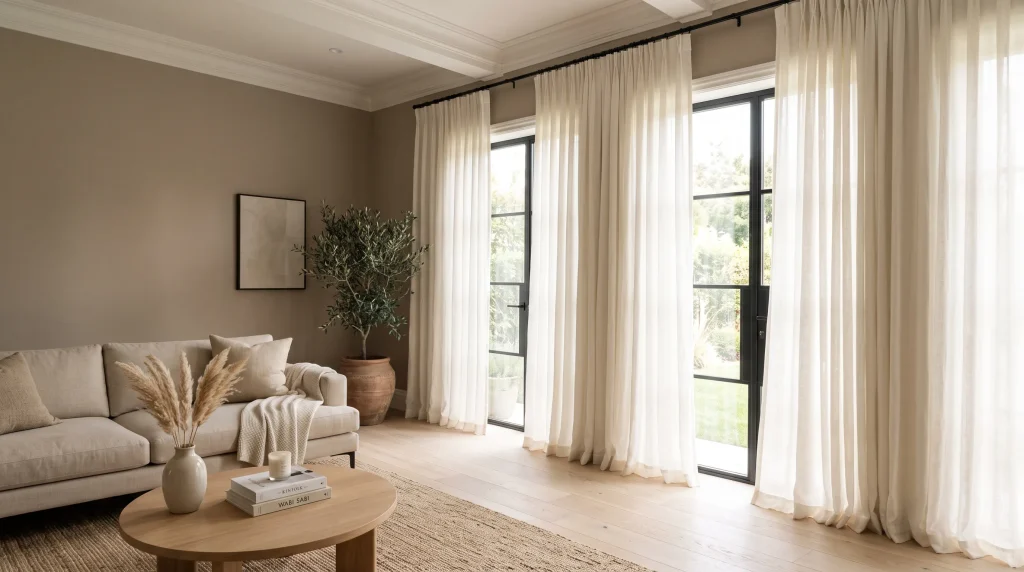
1. Floor-to-Ceiling Linen Drapes
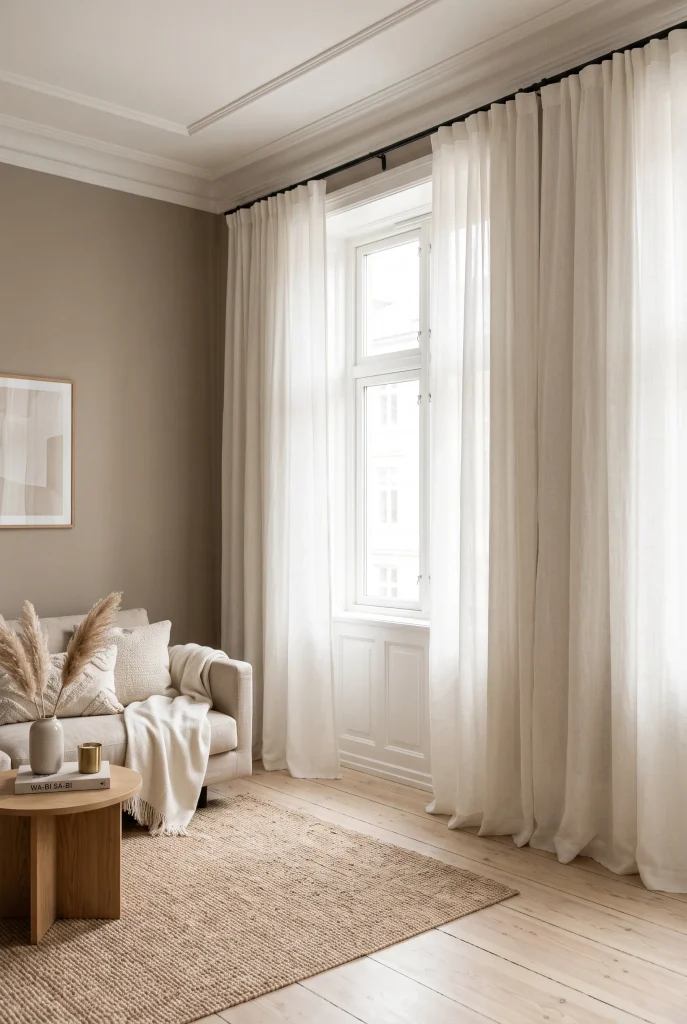
- Draws the eye upward to instantly create the illusion of soaring ceiling height.
- Softens window edges while letting in a wash of diffused, flattering natural daylight.
- Replaces stiff, dated blinds with an airy, custom-tailored architectural finish.
- Adds touchable organic texture that balances modern, clean-lined room accents.
Hanging your curtain rods just inches below the ceiling completely transforms a room before you even touch a single piece of furniture. Most builder-grade rooms suffer from awkward proportions simply because drapery hardware sits directly above the window trim, visually cutting the wall in half. When you invest in extra-long neutral fabric panels that lightly brush the hardwood floor, you draw the eye vertically and trick the mind into perceiving architectural grandeur. In my experience, choosing an unlined textured weave allows ambient daylight to filter through naturally, turning basic rooms into bright, welcoming sanctuaries without expensive renovations.
Standard off-the-shelf panels can look just as elevated as bespoke treatments if you train the pleats properly with light steam and hidden ring clips. Rather than choosing bold patterns that date quickly, opt for soft oatmeal, warm off-white, or muted stone shades to complement your existing wall palette. The visual weight of floor-sweeping fabric anchors the perimeter of your room, framing outdoor views with an intentional and serene finish. That subtle shift in hardware placement costs practically nothing, yet it delivers the polished, designer-approved look usually found exclusively in luxury boutique hotels and high-end shelter magazines.
2. Oversized Monochromatic Wall Canvas
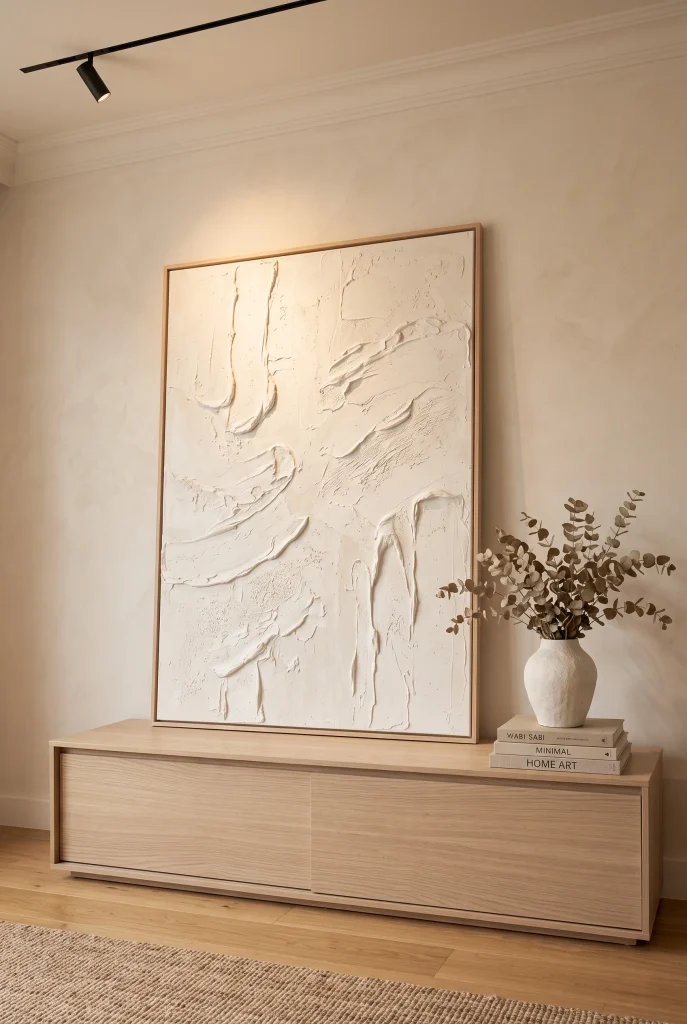
- Establishes a confident, curated focal point that prevents walls from looking cluttered.
- Introduces tactile plaster depth while keeping the color palette serene and unified.
- Eliminates the visual noise created by fragmented, uncoordinated wall arrangements.
- Pairs seamlessly with both traditional moldings and contemporary furniture shapes.
A single dramatic piece of artwork brings an undeniable sense of scale and confidence into any living space or hallway. Many homeowners try to cover empty drywall using multiple smaller frames, which often creates an accidental feeling of visual clutter rather than intentional design. By crafting or sourcing one grand statement piece featuring subtle textural plaster in tone-on-tone ivory, you instantly replicate high-end modern gallery styling. I’ve noticed that when a wall showcases one substantial focal point, the entire room suddenly feels significantly larger, more thought-out, and decidedly sophisticated even if the canvas itself was a simple afternoon DIY project.
Texture does the heavy lifting when your color scheme remains strictly minimal, reflecting light across varied physical depths and layers. Heavy modeling paste applied with a cheap drywall taping knife creates lovely organic ridges that catch both warm table lamp lighting and shifting daylight. The quiet simplicity of monochromatic art provides breathing room for your furniture while grounding the seating arrangement directly underneath it. It delivers instant artistic maturity without clashing with existing textiles, letting you enjoy a refined architectural aesthetic that looks like an original gallery acquisition bought for thousands of dollars.
3. Sculptural Ceramic Branch Vessel
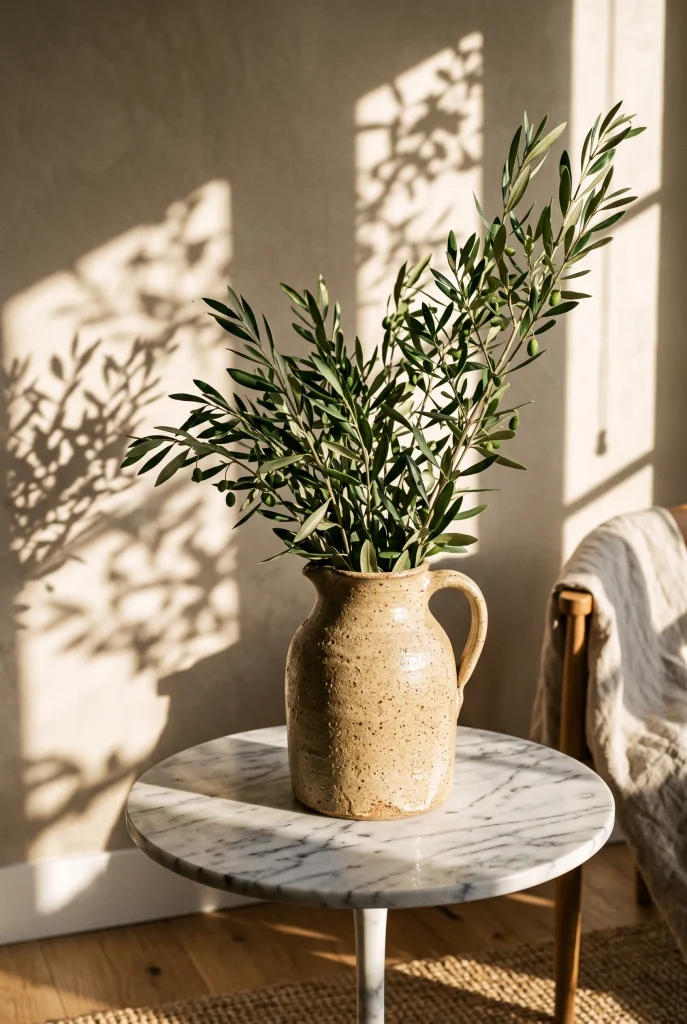
- Brings vibrant, organic architecture indoors using freely sourced seasonal garden foliage.
- Balances angular furniture pieces with the soft, grounding curve of earthy stoneware.
- Eliminates the need for costly, high-maintenance weekly florist bouquets.
- Establishes dynamic height variations on dining tables, consoles, or entry shelves.
Nothing elevates a bare console table faster than a substantial, earthy ceramic vessel filled with tall, structural green branches. Petite glass vases often look lost on larger furniture surfaces, but a vessel with substantial silhouette and textural presence grounds the entire surface effortlessly. Instead of buying delicate floral arrangements that fade in days, step outside with garden shears and clip two or three architectural tree stems to display. That’s why many designers recommend using real, oversized greenery—it introduces immediate vitality, height, and movement while quietly hinting at a connection to nature that feels timeless and curated.
The secret to achieving an authentic artisan feel lies entirely in matte, hand-finished surfaces rather than glossy modern glazes. You can easily transform thrifted glass jugs or basic urns into sculptural treasures using baking soda and chalk paint for that porous pottery look. Fill them with hearty varieties like olive, ficus, or eucalyptus boughs that can dry naturally in place without dropping excessive foliage across surfaces. This single dynamic element draws attention, fills dead vertical corners, and imparts that effortless, lived-in luxury found across today’s most saved aesthetic pinboards.
4. Layered Low-Level Ambient Lighting
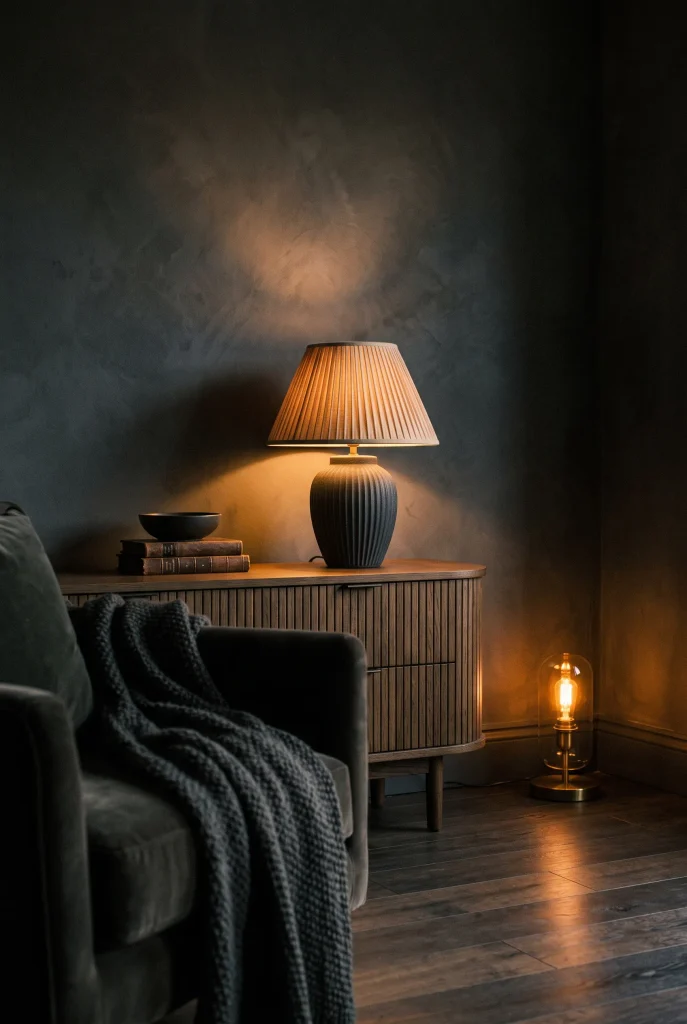
- Eliminates harsh overhead glare in favor of warm, calming evening pools of light.
- Emphasizes room corners and surface textures that daylight often leaves looking flat.
- Replaces clinical ceiling downlights with cozy, hospitality-inspired golden ambience.
- Provides versatile lighting levels that make everyday furnishings look refined and intentional.
Turning off the central ceiling fixture completely alters the emotional temperature and visual sophistication of any living space. Overhead can lights create harsh, unflattering downward shadows that flatten room architecture and make even the finest furnishings feel utilitarian. By scattering three or four soft-glow lamps across varied room heights, you establish layered illumination that gently wraps corners and alcoves in a soothing amber glow. In my experience, choosing warm-toned 2700K smart bulbs paired with diffused linen or pleated paper lampshades makes an ordinary space feel just like an intimate, high-end boutique lounge after dusk.
You do not need designer floor fixtures to build this high-end atmosphere when strategic placement carries the aesthetic weight. Position a petite portable cordless lamp on a bookshelf, set an earthy ceramic base on your media unit, and place a task fixture near your reading chair. These soft pools of light create intentional pockets that invite conversation and relaxation, emphasizing rich wood grains and soft upholstery folds. Swapping bright functional utility for ambient warmth is one of the smartest budget home decor ideas that upgrades your everyday lifestyle without breaking the bank.
5. Architectural Baseboard Picture Ledge
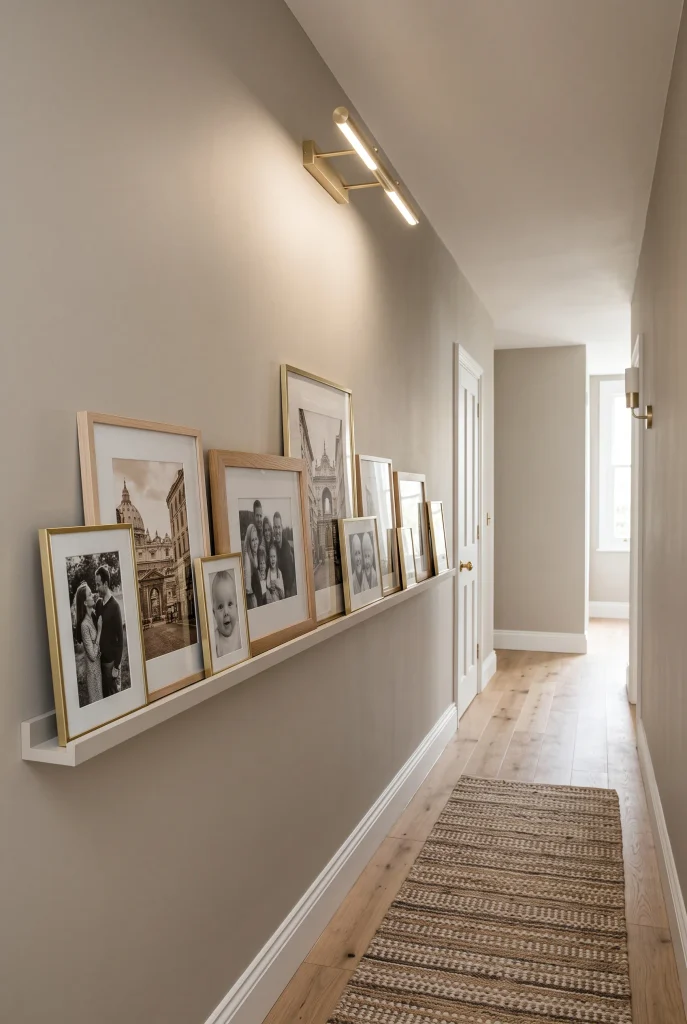
- Solves awkward hallway emptiness with an evolving, easily refreshed display footprint.
- Merges multiple frame finishes without requiring complicated, permanent wall nail holes.
- Coordinates directly with wall paint to look like built-in custom wall molding.
- Lets you rotate thrifted art and vintage prints seasonally with zero wall damage.
A slim picture rail finished in the exact color of your surrounding wall delivers bespoke architectural character for pennies. Hanging mismatched art frames across an expansive blank hallway frequently results in an unbalanced arrangement that draws critical attention to wall imperfections. By installing a narrow pine ledge painted monochrome with the drywall, you introduce a handsome structural line that anchors the entire corridor. I’ve seen this work well in many homes because it immediately mimics expensive pre-war millwork while serving as a flexible stage for rotating seasonal art collections with total ease.
The true secret to an expensive gallery feel lies in overlapping frames of varied heights, widths, and finishes naturally. Layer a wide, unlacquered wood frame in front of a thin matte black frame, tucking vintage botanical sketches slightly behind sepia-toned family portraits. This tiered arrangement produces depth and curiosity, preventing your framed memories from looking static or overly symmetrical like commercial office hallways. The subtle shadow cast beneath the wooden rail adds an extra layer of dimension that feels built-in, curated over time, and deeply personal to your household story.
View: 23 Neutral Home Decor Ideas That Look So Expensive
6. Heavy Fluted Glass Accents
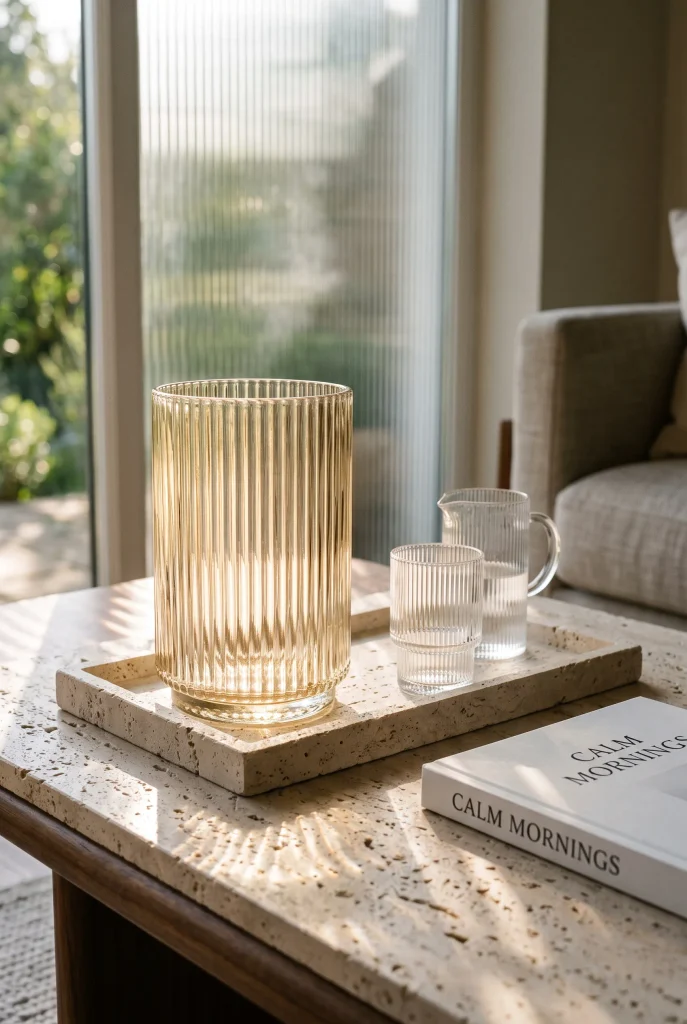
- Catches and refracts indoor and outdoor light with dynamic linear shadow patterns.
- Conceals mundane clutter inside storage cabinets while maintaining a bright, open feeling.
- Injects architectural mid-century texture into otherwise smooth and flat surfaces.
- Upgrades standard clear glass vessels into tactile, high-end sculptural tabletop objects.
Textured glass instantly lends weight, luxury, and tactile interest to flat tables, consoles, or everyday kitchen open shelving. Smooth, thin glass pieces can often feel lightweight and generic, blending into the background without adding distinct personality to your vignettes. Fluted surfaces, however, naturally catch moving daylight, scattering delicate striped light patterns across your surfaces that shift and evolve throughout the day. I’ve noticed that reeded vessels bring a refined, vintage-modern sensibility that quietly echoes classic European brasseries, giving even simple table arrangements a distinct and thoughtful designer polish.
Achieving this distinctive textured look requires very little financial investment, especially if you repurpose plain glass with adhesive ribbed film. Applying reeded privacy vinyl to simple picture frame glass or thrifted display cabinets mimics bespoke cast-glass furniture costing thousands. On tabletops, using heavy textured glass carafes or ribbed hurricane lanterns creates visual distortion that elevates ordinary water or pillar candles into artistic statements. The dense ridges reflect ambient lamplight brilliantly during dinner, proving that small material choices can alter how people perceive the craftsmanship of your decorative space.
7. Oversized Dark Woven Baskets
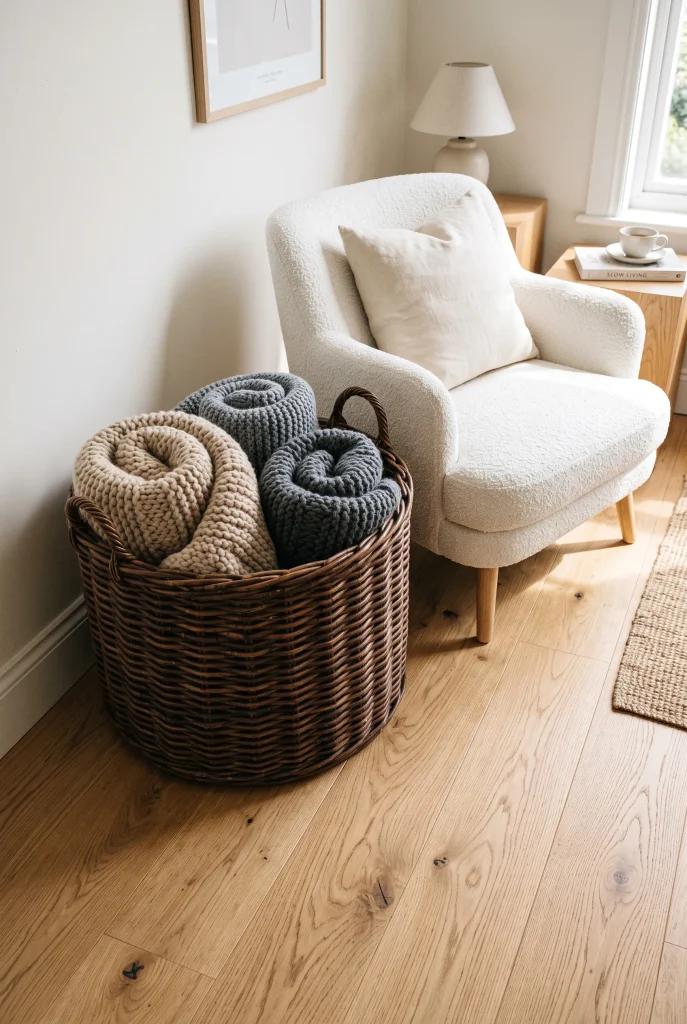
- Hides everyday household clutter instantly while contributing beautiful organic texture.
- Grounds pale, airy rooms with a necessary pop of deep, anchoring visual contrast.
- Replaces plastic storage bins with a sculptural, natural element that looks deliberate.
- Provides easily accessible storage for bulky items like seasonal throws and extra pillows.
Incorporating large-scale natural storage elements effortlessly bridges the gap between chaotic real life and polished interior design styling. Standard storage boxes or small wire bins often draw attention to the very clutter you are attempting to conceal from guests. By introducing one massive, deeply toned woven basket to a bare corner, you create an intentional, earthy focal point that silently swallows messy blankets and toys. That’s why many designers recommend oversized baskets—they introduce substantial scale to floor plans, ensuring the storage solution itself feels like a significant, curated piece of rustic furniture.
The visual magic happens when you select materials featuring rich, dark undertones like espresso rattan or deep charcoal water hyacinth. These darker finishes create a necessary grounding effect in bright, neutral spaces, preventing light-colored rooms from feeling sterile or unanchored. Tuck a huge woven piece under a floating console or place it confidently beside your main sofa to soften rigid furniture lines. This straightforward addition effortlessly organizes your living area while injecting warmth, proving that effective storage can absolutely enhance rather than detract from a beautifully styled home.
8. Tonal Paint Drenching
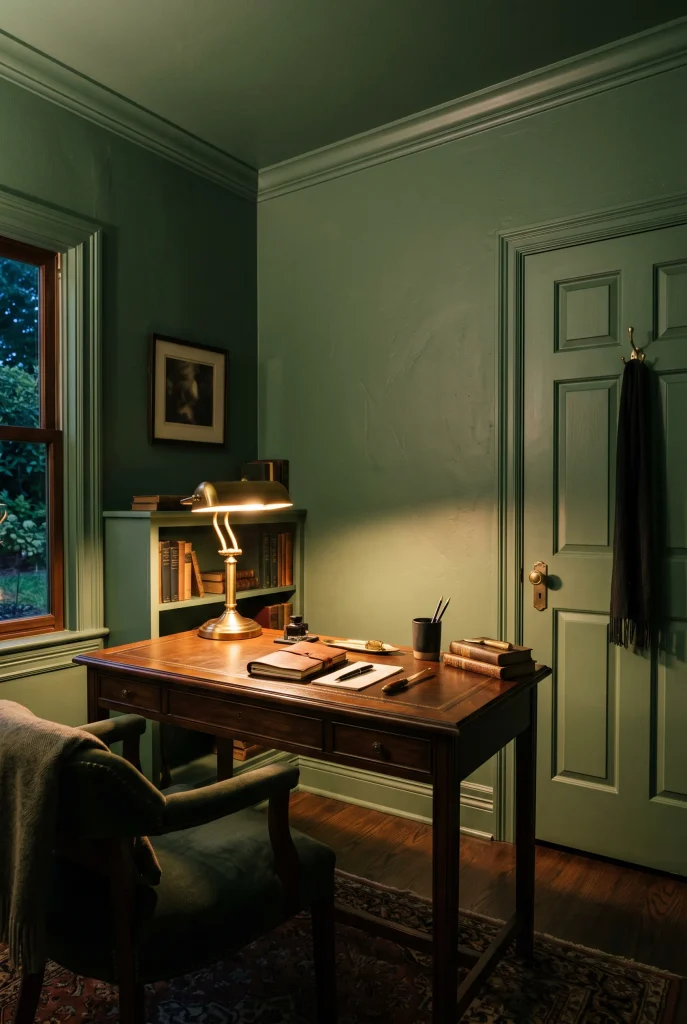
- Erases choppy architectural lines to make small, awkward rooms feel unified and expansive.
- Wraps the entire space in a cohesive, moody blanket that feels incredibly bespoke.
- Eliminates the harsh contrast of stark white baseboards against colored drywall surfaces.
- Creates a rich, velvety background that makes brass fixtures and art pop brilliantly.
Applying one single paint color across walls, trim, doors, and ceilings completely reinvents a room’s architectural perception with just a brush. Traditionally, painting baseboards and trim bright white creates horizontal stripes that visually chop up walls and highlight awkward room proportions. By drenching the entire space in one continuous shade, you blur the boundaries of the room, creating an enveloping, custom-designed atmosphere. I’ve tried this approach in smaller, darker spaces, and instead of feeling cramped, the room instantly transforms into a jewel-box sanctuary that radiates an intentional, expensive, and cozy sophistication.
This technique shines brightest when executed with muddy, complex colors rather than primary brights or standard pastels. A matte finish in deep olive, muted terracotta, or dusty charcoal allows the natural shadows of your molding and door panels to provide subtle, elegant contrast. The seamless color application mimics historic European estates and high-end modern libraries where color is treated as an immersive experience. It is a bold, transformative strategy that dramatically elevates basic builder-grade architecture, making your walls feel luxuriously finished without installing a single piece of new woodwork.
9. Minimalist Hardware Swaps
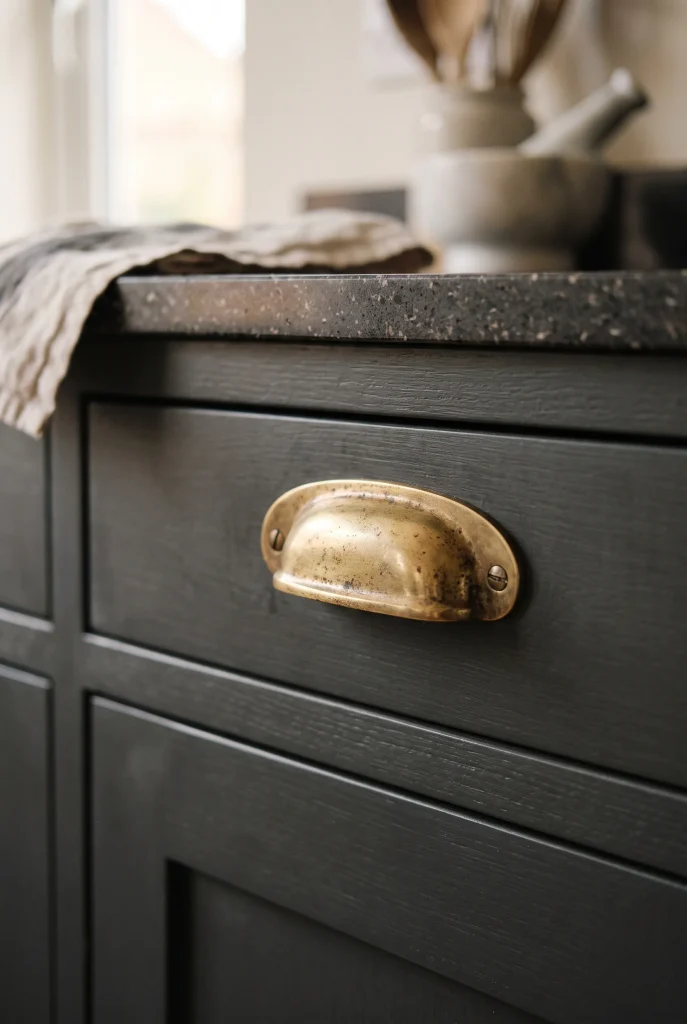
- Replaces generic builder-grade silver knobs with heavy, custom-feeling tactile touchpoints.
- Introduces living finishes that age beautifully, adding authentic character over time.
- Unifies mismatched furniture pieces by applying a consistent, elevated metal finish throughout.
- Offers the visual impact of a full cabinetry renovation for a fraction of the cost.
Upgrading your cabinet pulls and knobs is arguably the fastest way to inject instant luxury into kitchens, bathrooms, or thrifted dressers. Standard factory hardware often feels lightweight and features generic finishes that visually downgrade otherwise beautifully painted cabinetry and solid furniture pieces. By swapping out those basic pieces for substantial, heavy-weight hardware, you fundamentally change how the furniture feels in your hand every single day. I’ve noticed that when you upgrade touchpoints to materials like unlacquered brass or matte black iron, the entire room suddenly feels custom-built and meticulously detailed.
The key to achieving an expensive look is selecting hardware with a “living finish” or a deliberate, solid profile. Unlacquered brass, for instance, naturally patinas over time, developing a rich, uneven warmth that mimics antique, high-end kitchen fixtures perfectly. Even if you are simply updating a basic bathroom vanity, installing oversized, knurled matte black pulls instantly modernizes the piece with a tactile, industrial edge. This small, easily reversible change requires only a screwdriver, yet it completely redefines the quality and style of your cabinetry with immediate, undeniable impact.
10. Linen Mat Gallery Framing
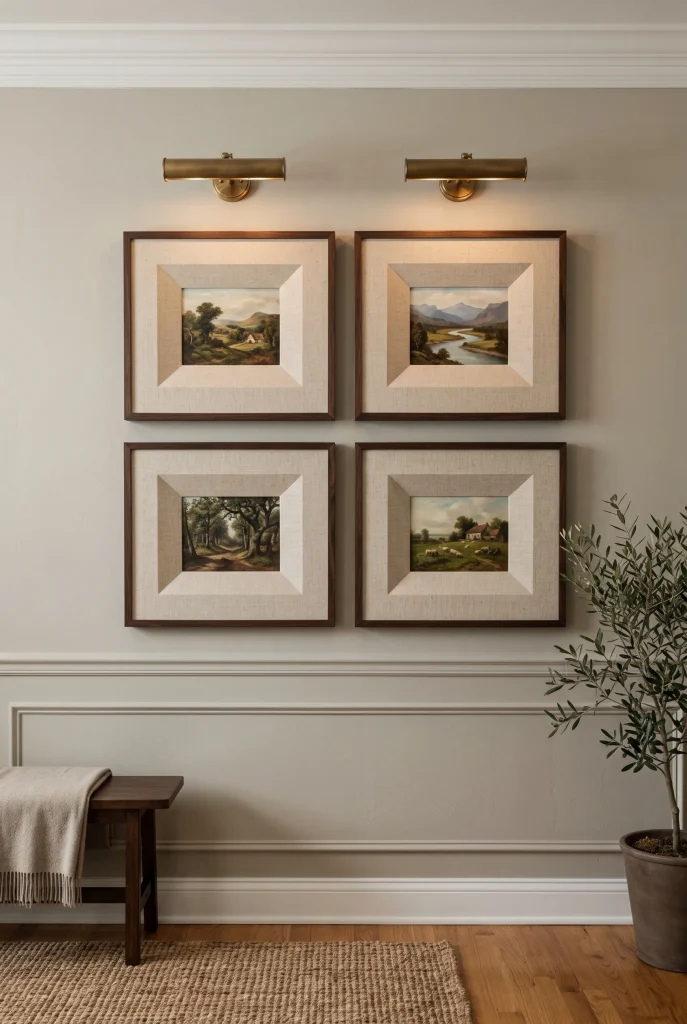
- Elevates affordable postcard-sized prints into substantial, museum-grade artistic focal points.
- Adds a rich, tactile textile layer that contrasts against smooth glass and painted drywall.
- Solves the flat, inexpensive look of paper mats by introducing natural linen weave.
- Creates uniform cohesion across varied, thrifted sketches and modern photograph subjects.
The secret to making tiny art pieces look remarkably valuable is providing them with generous breathing room. Standard paper mats often look sterile and flat, subtly revealing the modest origins of small digital prints, postcards, or family snapshots. When you introduce a thick, natural linen mat within a slim wooden frame, the rich textile weave immediately establishes visual prestige. In my experience, pairing a generous four-inch textured border with a tiny, two-inch vintage oil sketch creates an arresting scale contrast that commands instant attention, resembling high-end bespoke framing found in historic European townhomes.
You can easily recreate this luxury look at home using remnant linen fabric, spray adhesive, and simple thrifted frames. Wrapping standard cardboard mat boards in raw oatmeal or off-white linen gives your framed items depth, tactile appeal, and an undeniable artisan craftsmanship. This cohesive textile treatment visually unifies mismatched illustrations, creating an intentional, orderly grid arrangement that immediately dignifies empty entryways or quiet reading nooks. It turns humble prints into an impressive collection of gallery-grade art, showcasing how clever budget home decor ideas can radically transform bare walls without substantial expenses.
11. Sculptural Travertine Riser Trays
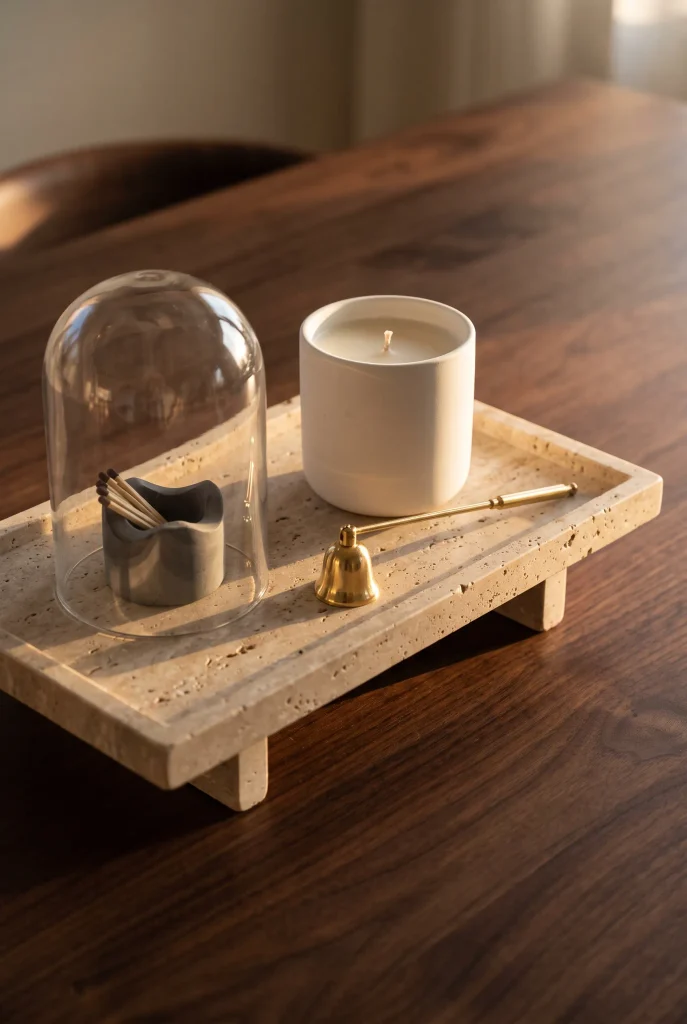
- Introduces luxurious, heavy natural stone texture onto lightweight timber surfaces.
- Corrals loose vanity, kitchen, or coffee table items into one neat, intentional display.
- Softens straight lines with rounded, tactile stone edges that catch natural light.
- Emulates modern sculptural Italian design without the massive price tag of stone tables.
A simple stone slab can anchor floating tabletop objects and transform chaotic clutter into an artistic vignette. Tables often look untidy simply because daily essentials—like candles, matches, or remotes—are scattered loosely across wide flat tops without boundaries. By setting down a petite travertine or limestone riser, you instantly create a curated stage that grounds your decorative objects in natural majesty. I’ve noticed that stone brings a cool, porous, and grounded presence that effortlessly balances the smooth surfaces of painted consoles, wood desks, or ceramic kitchen countertops.
Finding genuine stone off-cuts from local countertop fabrication shops allows you to score high-end marble or travertine scraps practically free. Alternatively, affordable travertine pavers from home improvement stores can be easily backed with protective felt pads to create stunning, durable trays. The raw, unpolished holes and earthy veining of real travertine convey an unmistakable sense of enduring quality and quiet luxury. Stacking your favorite candle and everyday objects on such a tactile base ensures your coffee table looks thoughtfully styled, organic, and effortlessly high-end.
12. High-Contrast Archival Matting
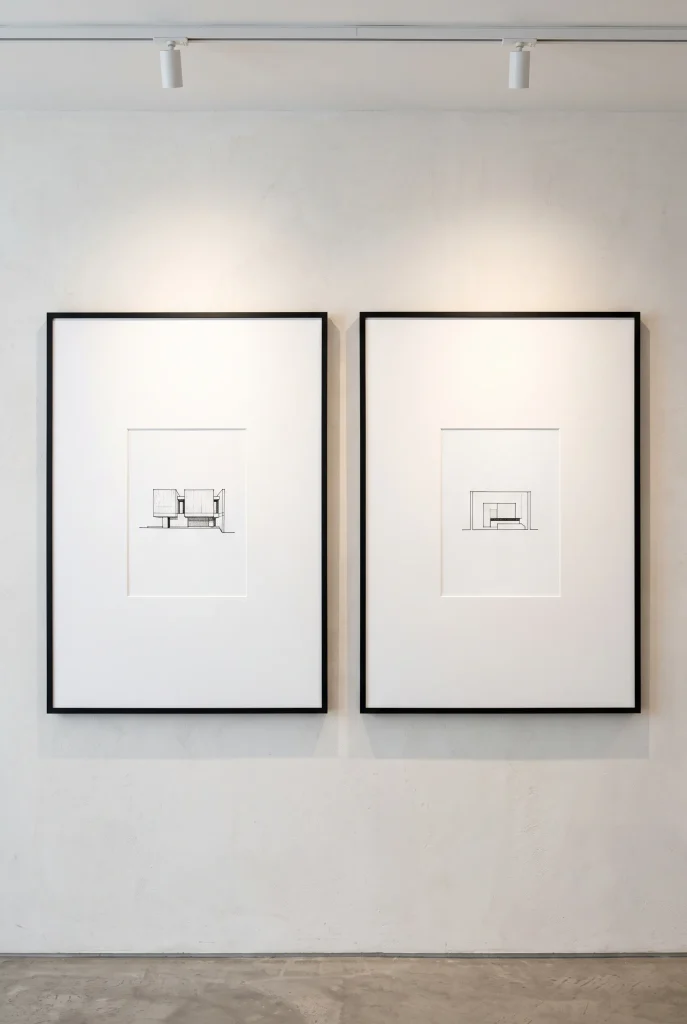
- Maximizes visual impact by pairing dramatic, crisp contrast with diminutive artwork.
- Imparts an authoritative, curated gallery aesthetic to inexpensive line drawings or sketches.
- Fills expansive vertical wall space without the high cost of giant original art.
- Protects cherished paper prints with an expansive, crisp border that draws the eye inward.
Dramatic proportions have an incredible ability to make simple drawings look like prestigious, irreplaceable museum artifacts. When tiny art floats inside standard-sized frames, it often feels timid, lost, and visibly inexpensive against a vast living room wall. By choosing a surprisingly large frame with an ultra-wide, brilliant white archival mat, you command the viewer’s focus directly into the subject matter. That’s why many designers recommend oversized matting—it creates high-contrast breathing space that celebrates the simplicity of an inexpensive line drawing, lending the modest piece unmistakable authority and architectural poise.
Selecting a sharp, contrasting frame—such as deep matte black or brushed graphite—creates a definitive perimeter that accentuates the pure white matting. The sheer expanse of stark, unadorned border mimics custom museum framing, disguising the fact that the art inside might be a cut-out from an antique book. This technique works exceptionally well above sofas or long console tables, where you need substantial visual scale without cluttering the wall with lots of frames. It produces an unapologetically clean, sophisticated statement that looks endlessly chic and remarkably high-end.
13. Statement Pedestal Lighting
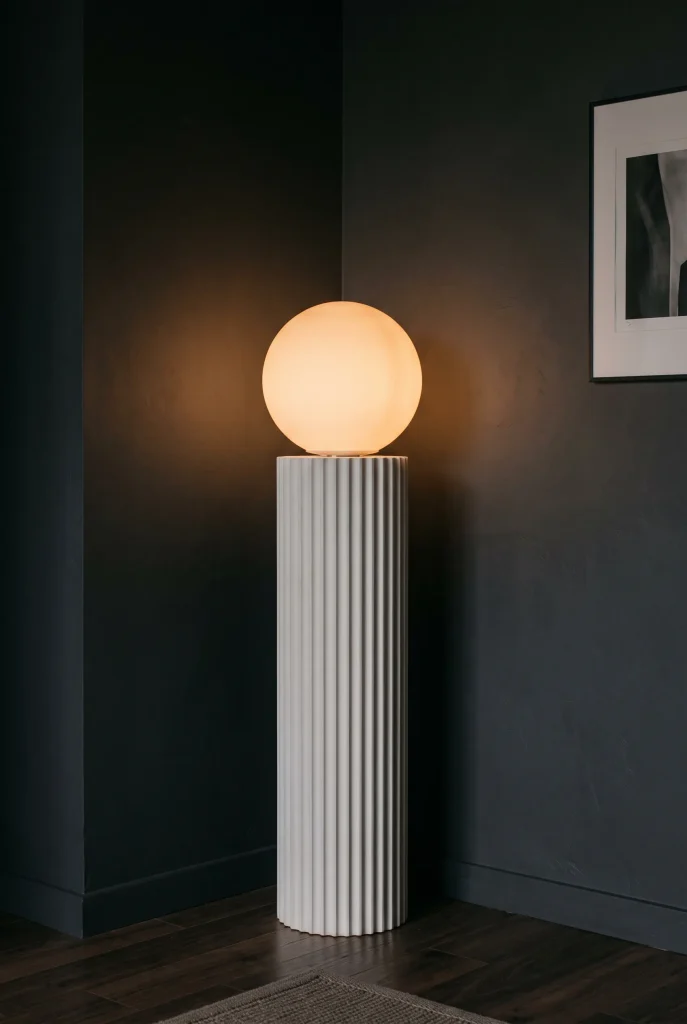
- Transforms forgotten, awkward empty room corners into striking sculptural focal points.
- Raises smaller, affordable table lamps to the height of expensive designer floor fixtures.
- Replaces clunky side tables with a sleek, vertical architectural element that saves space.
- Introduces varied height dimensions that break up the monotony of low-sitting lounge furniture.
Raising a beautiful light source onto a dedicated pedestal introduces an instant feeling of museum-like curation into a basic room. Often, table lamps are relegated to crowded sideboards or bedside tables, where their design impact is diminished by surrounding clutter. By placing a striking table lamp atop a slender column in a bare corner, you elevate the fixture into a standalone piece of illuminated art. In my experience, this unexpected vertical element draws the eye upward and turns an overlooked shadow into an intentional, glowing feature, rivaling the dramatic impact of high-end custom floor lighting.
You can easily build your own sculptural pedestal using basic MDF wood panels painted in a rich, chalky hue or wrapped in textured plaster. Placing a simple frosted glass globe lamp or a textured ceramic fixture on this column creates an ambient glow that washes the adjacent walls beautifully. This setup is particularly effective in small spaces where a traditional bulky side table would feel cramped and heavy. It is a brilliant, space-saving strategy that immediately signals a thoughtful, gallery-inspired approach to home styling.
14. Seamless Drapery Hardware
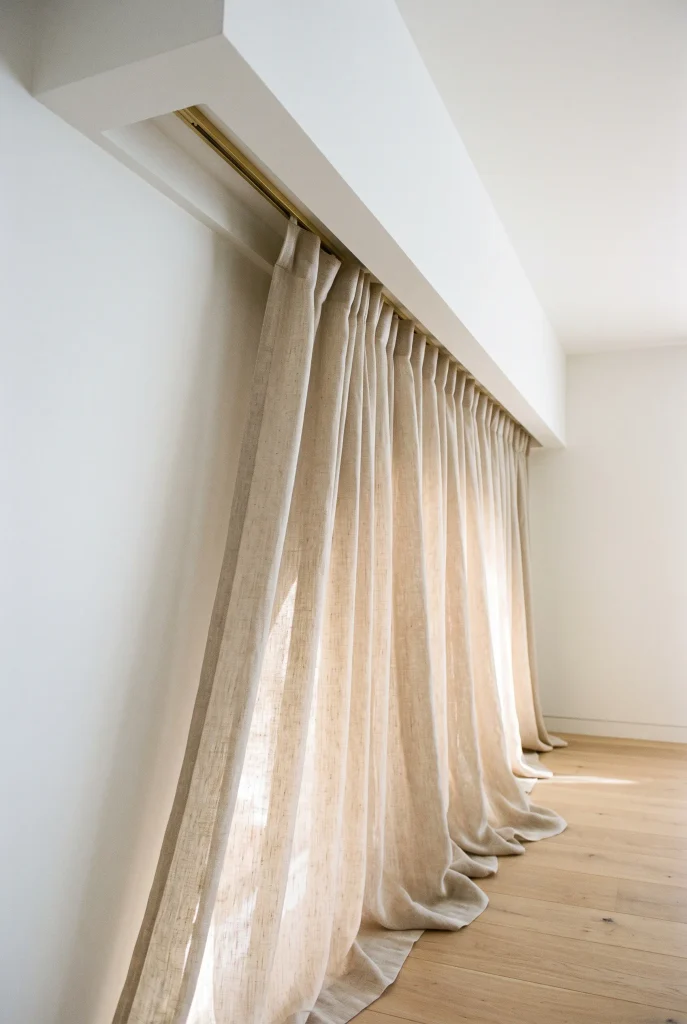
- Eliminates visually heavy, distracting curtain rods to maintain clean architectural sightlines.
- Creates the illusion that drapery flows directly from the ceiling, maximizing height.
- Offers a smoother, quieter operational glide compared to standard metal grommets or rings.
- Mimics the bespoke, custom-built drapery recesses commonly found in luxury penthouse interiors.
Transitioning from bulky curtain rods to sleek, ceiling-mounted tracks fundamentally modernizes how window treatments feel and function. Standard rods with decorative finials often act as a harsh horizontal line that visually lowers the ceiling and dates the surrounding architecture. A slim, low-profile track, especially when painted to match the ceiling, practically disappears, allowing the fabric itself to take center stage. I’ve noticed that when curtains seem to cascade directly from the ceiling line, the entire room immediately feels taller, calmer, and significantly more expensive.
Installing this seamless hardware is a straightforward weekend upgrade that provides a massive aesthetic payoff. It allows you to use sleek, pinch-pleat headers that glide effortlessly, rather than clunky grommets that often struggle over rod joints. For an even more custom look, you can easily install a simple painted wooden fascia board to completely conceal the track, mimicking high-end hotel installations. This clean, uninterrupted flow of fabric from ceiling to floor imparts a subtle, architectural elegance that quietly defines luxury living spaces.
15. Tonal Open Shelving Vignettes
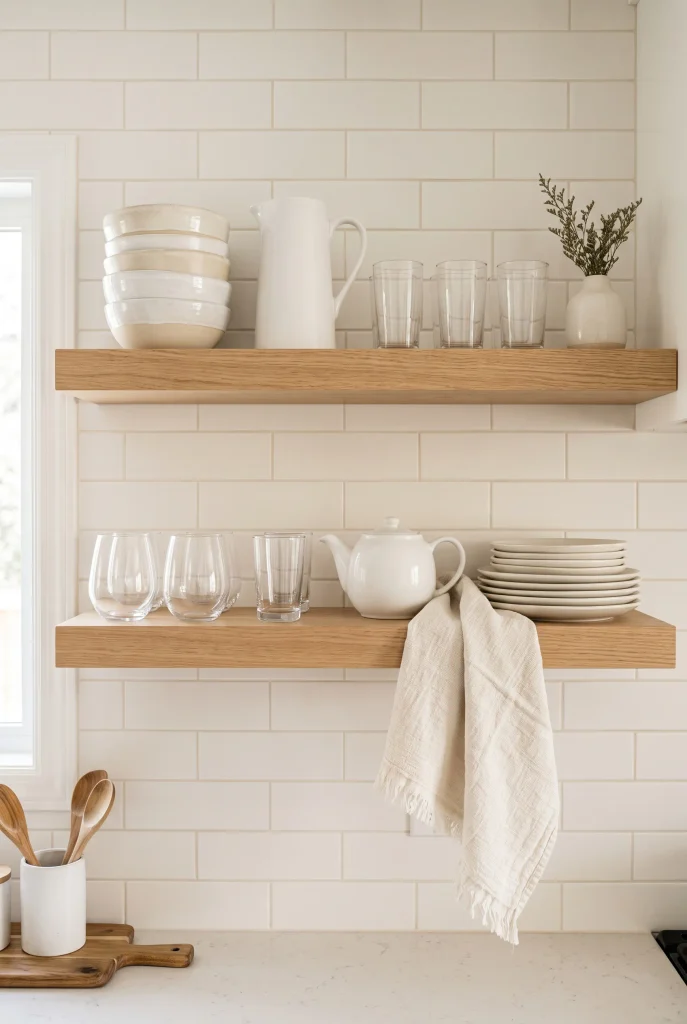
- Replaces visual chaos with a calming, organized, and beautifully intentional display.
- Makes affordable everyday dishware look like a curated collection of artisan ceramics.
- Expands the feeling of space in small kitchens by eliminating heavy upper cabinet blocks.
- Encourages daily neatness since the limited color palette highlights simplicity over clutter.
Curating open shelves using a strict, monochromatic color palette instantly turns functional kitchen storage into a calming, visual masterpiece. When open shelving holds a chaotic mix of branded boxes, mismatched mugs, and brightly colored plastics, it quickly devolves into visual noise that makes the whole kitchen feel messy. By deliberately displaying only items within a single color family—like warm whites, creams, and earthy natural woods—you create a cohesive, gallery-like vignette. That’s why many designers recommend tonal styling; it forces a disciplined, editorial look that elevates inexpensive, everyday dishes into a sophisticated collection.
You do not need to purchase an entirely new set of expensive ceramics to achieve this serene, expensive look. Simply edit your existing collection, keeping only the pieces that fit your chosen neutral palette, and tuck the rest behind closed doors. Grouping similar shapes together, like stacking identical white bowls or lining up clear drinking glasses, creates a pleasing rhythm and orderly repetition. This mindful approach to display transforms your shelves from basic storage into a deliberate architectural feature, proving that restraint is often the most powerful tool in luxury design.
16. Symmetrical Botanical Grid
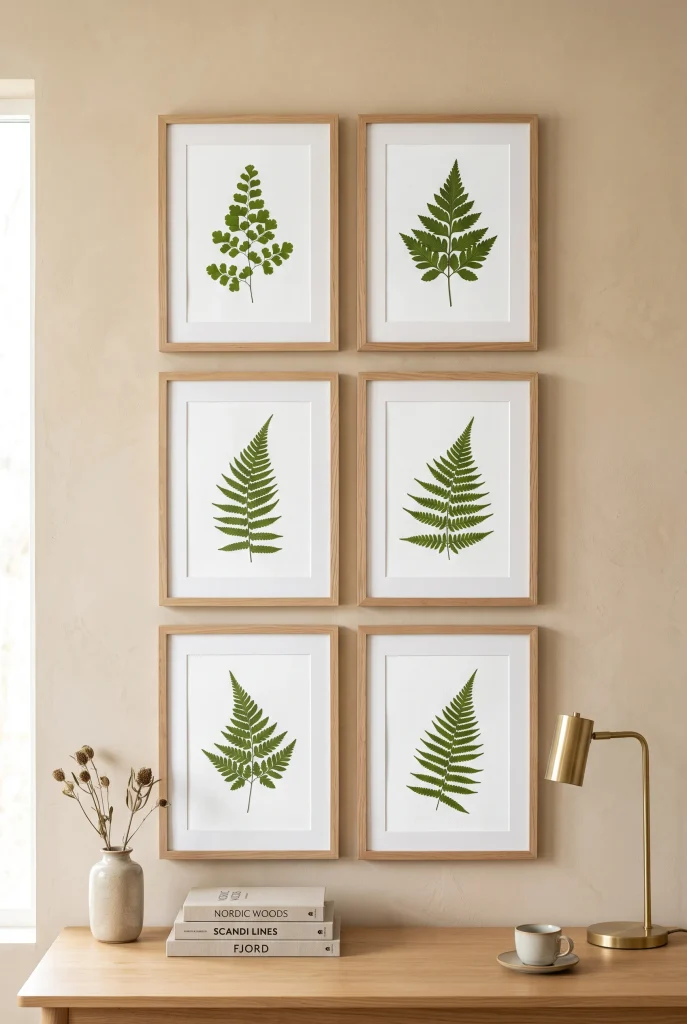
- Turns inexpensive paper prints into a substantial, structured architectural wall statement.
- Fills expansive vertical or horizontal drywall without the cost of oversized art.
- Imparts order, calm, and visual symmetry that balances casual, relaxed room furniture.
- Unifies budget-friendly vintage botanical illustrations into a cohesive designer collection.
Arranging identical frames in a tight, disciplined grid immediately delivers the ordered elegance of a private art gallery. When homeowners scatter mismatched framed pictures across an open wall, the space often feels accidental and disorganized rather than thoughtfully curated. By grouping six or nine uniform oak or black frames in a measured alignment, you trick the eye into reading the entire arrangement as one grand, cohesive installation. I’ve noticed that this symmetrical rhythm provides a sense of balance and calm, making even simple budget home decor ideas feel intentional and architectural.
The secret to keeping this display looking upscale lies in consistent spacing and cohesive subject matter across every frame. You can source copyright-free vintage plant illustrations online, print them locally on heavyweight matte cardstock, and frame them yourself for minimal cost. Hanging each frame exactly two inches apart creates crisp negative space that catches ambient room light naturally. This precise, geometric grouping anchors living rooms, dining nooks, or bedrooms, giving plain walls the authoritative, high-end polish of a luxury interior design spread.
17. Matte Black Picture Lights
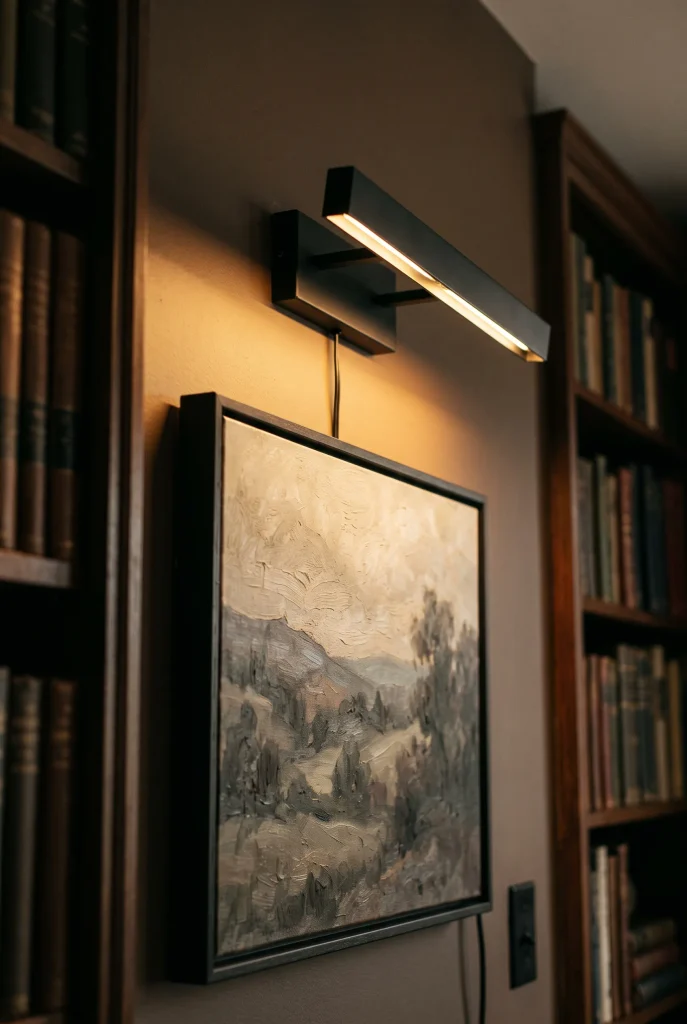
- Spotlights focal wall art with an intentional wash of soft, curated evening illumination.
- Replaces flat daylight with dramatic directional highlights that emphasize paint brushwork.
- Provides high-end museum styling using affordable, easily installed plug-in or cordless hardware.
- Introduces a sleek, modern metallic finish that contrasts softly against textured walls.
Installing an overhead art fixture turns a simple framed print into a deeply sophisticated, museum-inspired focal feature after sundown. Most wall decor tends to fade into the background during evening hours when standard room lighting fails to reach vertical drywall surfaces. By mounting a slim picture sconce directly above your primary canvas, you introduce directional task illumination that gently highlights the print’s delicate color subtleties. In my experience, adding this single hardware piece brings an air of historic luxury, making ordinary living rooms look like carefully curated private collectors’ spaces.
Modern battery-powered and plug-in options eliminate the need to hire an electrician to run complicated wiring inside finished walls. Look for minimalist profiles finished in matte black, antique bronze, or brushed brass to complement your existing hardware choices. Directing the fixture’s warm beam across a canvas accentuates the physical ridges of textured paper or linen mats beneath the glass. This simple addition introduces an extra layer of ambient warmth, proving that strategic accent lighting instantly elevates the perceived value of your wall decor.
18. Monolithic Timber Plinths
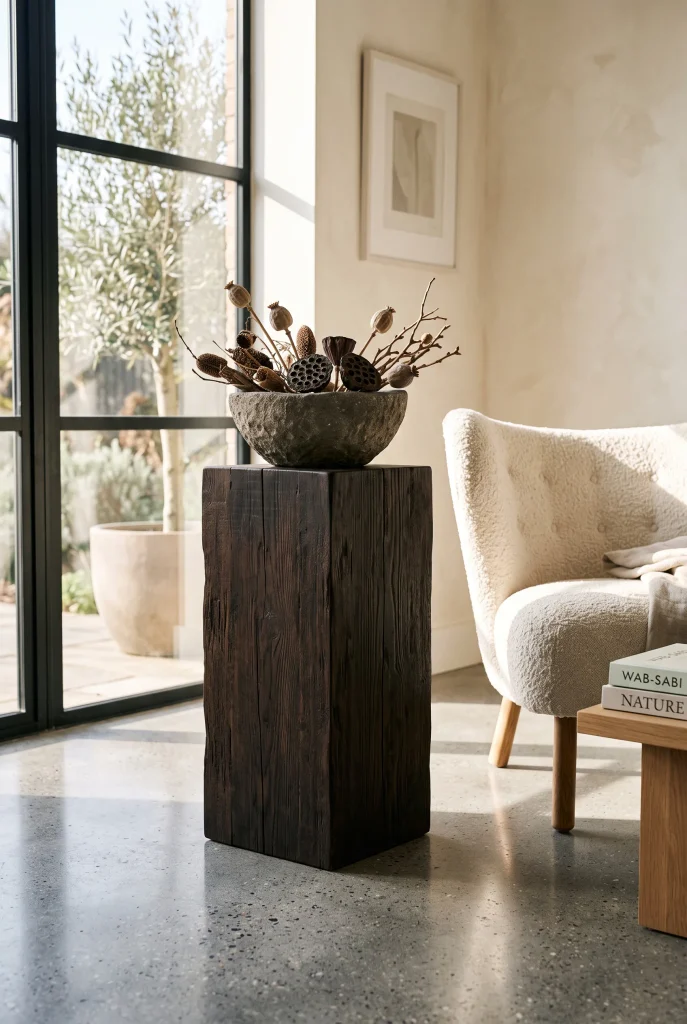
- Introduces heavy, grounding organic mass that balances lightweight modern furniture legs.
- Replaces generic spindly accent tables with a sculptural, solid artisan statement piece.
- Warms up sleek contemporary layouts with rich, deeply textured and patinated timber grains.
- Functions flexibly as a plant riser, book display stand, or minimalist drink perch.
Solid wooden pedestals bring an undeniable presence, rustic weight, and artisan craft to contemporary living areas and quiet corners. Light modern furnishings often feature thin metal legs and floating profiles, leaving lower room levels feeling unsubstantial, lightweight, and visually unanchored. By resting a chunky, solid block of wood beside your sofa, you anchor the floor plan with grounded mass and authentic natural charm. That’s why many designers recommend monolithic plinths; their pure, unadorned geometry lets natural wood grain and subtle fissures shine like curated, modern sculptures.
You can craft this high-end look yourself using untreated construction timber glued together, sanded smooth, and finished with deep stain. Weathered salvage yards and local woodworkers often carry off-cut log slices or beam sections that cost virtually nothing compared to showroom pedestals. Placing an earthy ceramic bowl or a favorite candle atop the rough-hewn surface creates a stunning, dynamic juxtaposition of refined and primitive elements. This tactile pedestal bridges modern functionality with timeless craftsmanship, instantly delivering that coveted, high-end organic aesthetic.
19. Layered Organic Textiles
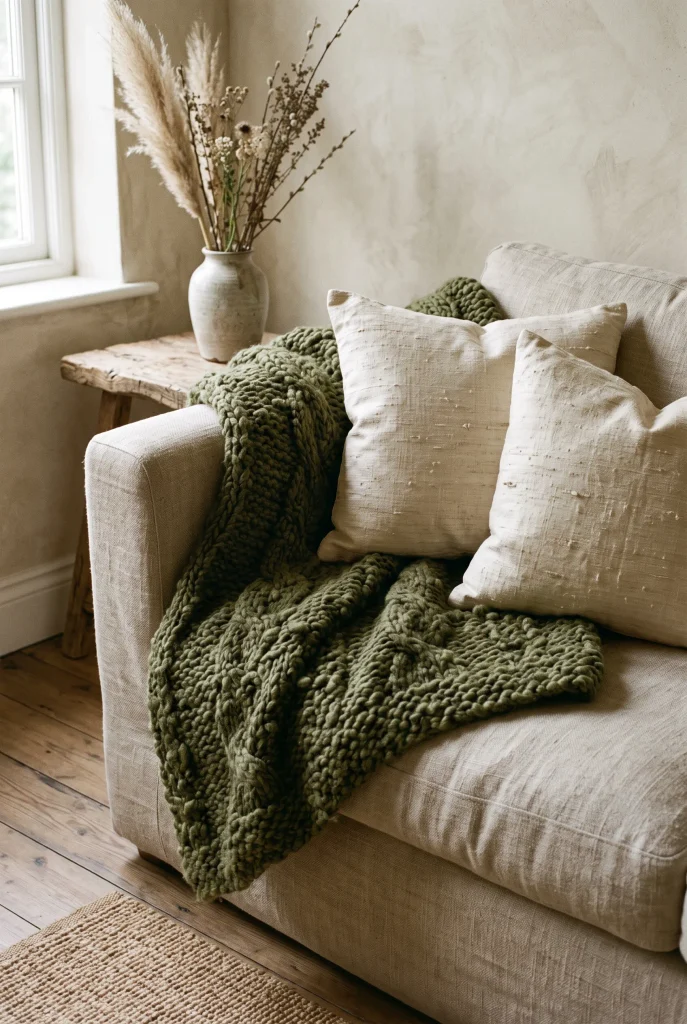
- Softens rigid furniture frames with touchable, lived-in layers that invite deep relaxation.
- Injects quiet, natural color variation without requiring permanent paint or wallpaper changes.
- Replaces thin, synthetic polyester throws with breathable, high-quality authentic natural fibers.
- Adds essential visual depth and comforting dimension to otherwise flat, monochromatic seating areas.
Thoughtfully layering high-quality fabrics instantly transforms a stiff, showroom-style sofa into a deeply inviting and personalized sanctuary. Often, homeowners purchase matching pillow sets made from shiny synthetic blends that slide off upholstery and look decidedly inexpensive. By intentionally mixing different organic fibers—such as raw silk, heavy linen, and chunky wool knits—you introduce rich, varied tactile experiences that capture light beautifully. I’ve noticed that when seating areas feature deep, touchable textures, the entire room immediately feels more relaxed, sophisticated, and undeniably expensive.
The secret to mastering this casual, high-end drape is prioritizing texture over bold, graphic patterns that quickly feel dated. Choose a muted, earthy color palette, combining muddy sage greens, warm terracottas, or deep charcoals to ground lighter neutral upholstery. Toss a heavy wool blanket casually over an armrest rather than folding it rigidly, allowing the natural drape of the heavy fabric to feel effortless. These small textile investments completely alter the visual weight of your furniture, giving your living space that coveted, relaxed architectural digest aesthetic.
20. Hidden Wire Management
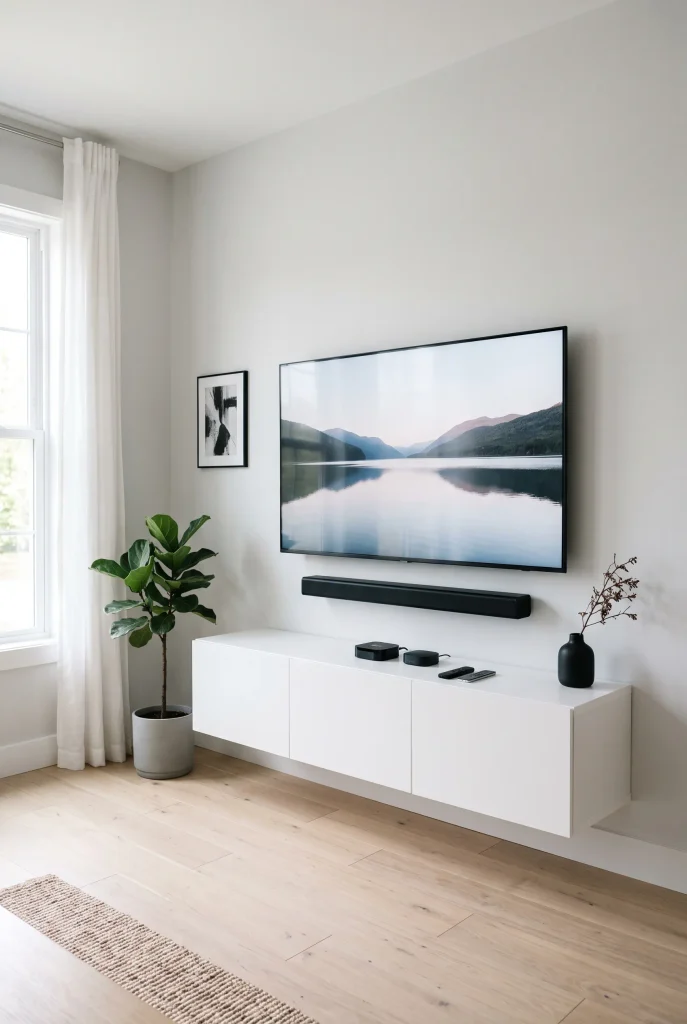
- Instantly upgrades a messy, distracting media zone into a sleek, streamlined entertainment center.
- Highlights the clean lines of floating furniture by removing chaotic, drooping plastic tangles.
- Creates a calming, hotel-like atmosphere by deliberately hiding mundane functional technology elements.
- Costs practically nothing while delivering a massive, immediate improvement to room neatness.
Eliminating visible power cords is perhaps the most crucial yet frequently ignored step in achieving a polished, high-end interior. Beautifully styled media consoles and chic floating desks are instantly ruined when a chaotic nest of black plastic wires droops underneath them. By taking the time to bundle, route, and conceal every cord behind furniture or within paintable raceways, you create an uninterrupted, seamless visual flow. That’s why many designers recommend rigorous wire management; it is a zero-cost detail that fundamentally shifts a space from looking chaotic to meticulously architect-designed.
You do not need to tear down drywall to achieve this clean, wireless illusion in your own living space. Inexpensive cable sleeves, zip ties, and adhesive wire clips easily route cords flush along the backs of furniture legs, rendering them practically invisible. For wall-mounted televisions, simple paintable cord covers blend directly into your wall color, maintaining an uncluttered, distraction-free environment. This simple organizational discipline makes standard electronics look intentionally integrated, elevating the entire room’s aesthetic with minimal effort and maximum visual reward.
21. Limewash Accent Walls
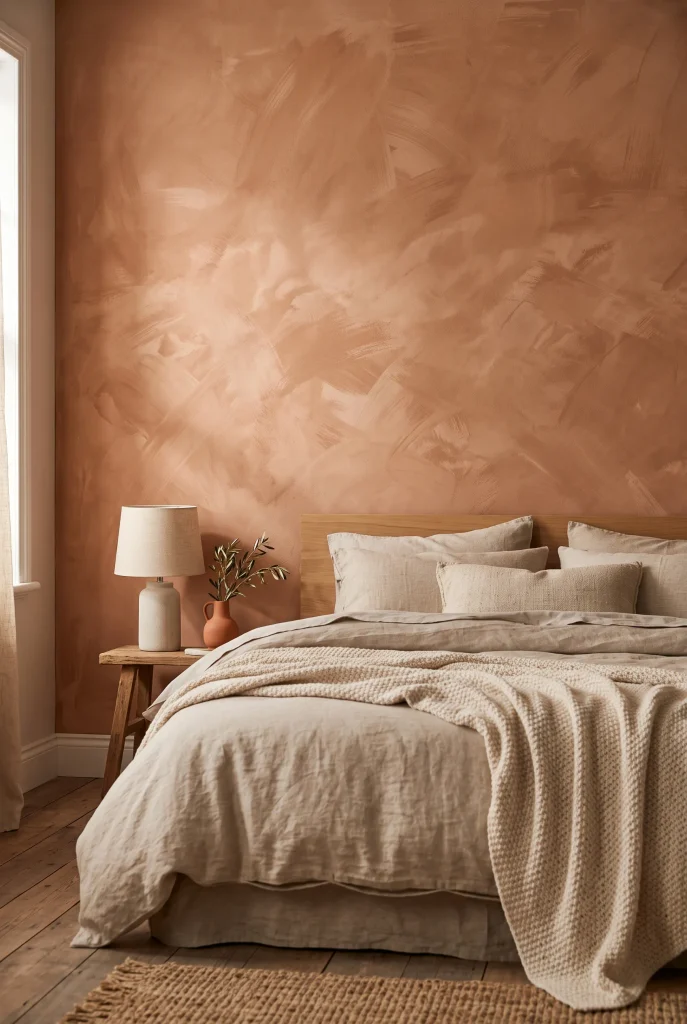
- Replaces flat, generic latex paint with deep, cloudy dimension and old-world architectural soul.
- Warms up sterile, boxy rooms by introducing a soft, suede-like visual and physical texture.
- Reflects daylight dynamically throughout the day, creating an evolving, moody atmospheric background.
- Delivers the look of expensive custom plasterwork for the price of standard decorative paint.
Applying a specialized mineral finish transforms a standard drywall surface into a rich, cloudy backdrop reminiscent of historic European estates. Standard flat latex paint often looks uninspired and fails to catch ambient room lighting in an interesting or dynamic way. By brushing on a specialized limewash or Roman clay treatment, you introduce a delicate, mottled texture that completely alters the room’s emotional resonance. I’ve tried this finish in small bedrooms, and the subtle, suede-like movement instantly gives plain walls an architectural soul, making the space feel incredibly grounded and expensive.
Achieving this custom, handcrafted look is a surprisingly forgiving weekend project that requires no special plastering skills. Using a large, block brush, you simply apply the mineral mixture in overlapping, cross-hatching strokes, allowing the natural variations to develop as it dries. Opt for muddy, earthy tones like warm plaster pink, deep olive, or soft bone to maximize the organic, aged aesthetic. This technique imbues basic rooms with an undeniable sense of craftsmanship and history, acting as a stunning canvas for simple, minimalist furniture.
22. Tall Faux Olive Trees
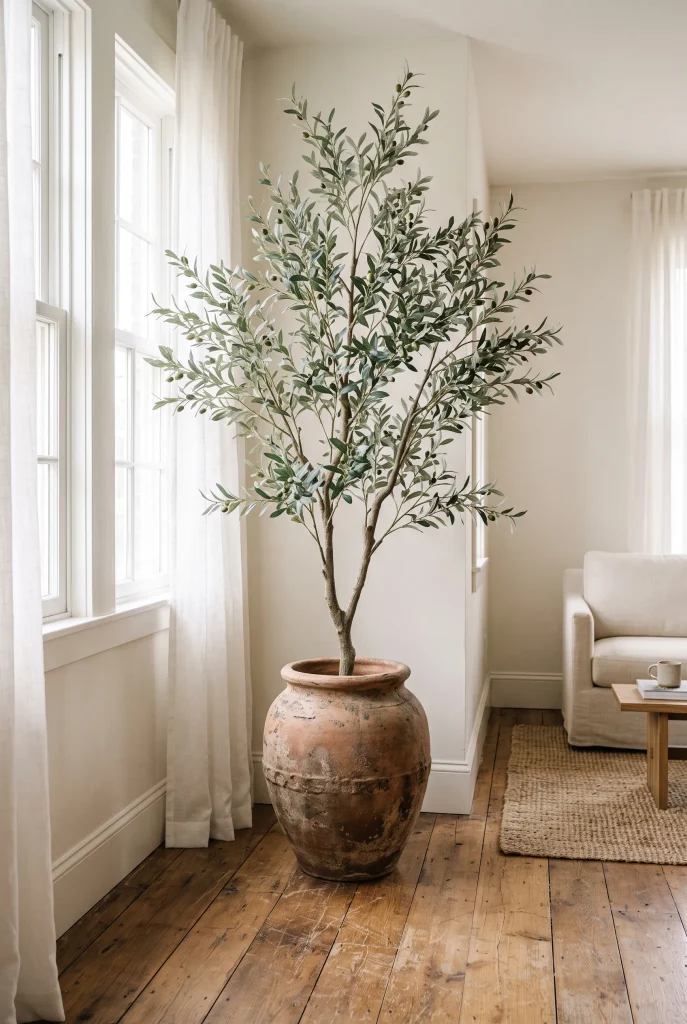
- Fills awkward vertical dead space with delicate, leafy height without cluttering the floorplan.
- Introduces a timeless, Mediterranean-inspired botanical element that requires absolutely zero maintenance.
- Replaces sad, dusty plastic plants with realistic, high-quality botanical replicas that look authentic.
- Balances heavy, boxy furniture arrangements with soft, organic, sweeping upward movement.
Introducing a substantial, towering botanical element instantly breathes life and deliberate scale into empty, difficult-to-style room corners. Smaller, tabletop plants often get lost in expansive living spaces, failing to make a significant visual impact or draw the eye vertically. By investing in a high-quality, tall artificial olive tree, you establish a commanding, graceful focal point that softens rigid architectural angles effortlessly. In my experience, selecting a faux tree with delicate, airy foliage provides necessary height and vibrant green color without overwhelming the room or blocking precious window light.
The absolute key to making an artificial tree look expensive is replacing its tiny nursery pot immediately. Drop the entire base into a large, heavy, aged terracotta urn or a substantial woven basket to ground the piece with authentic visual weight. Top the planter with a generous layer of real dried moss to completely conceal the artificial trunk base and create a lifelike, organic finish. This easy styling trick elevates a faux plant into a permanent architectural feature, delivering that effortless, high-end California casual aesthetic to your home.
23. Strategic Mirror Placement
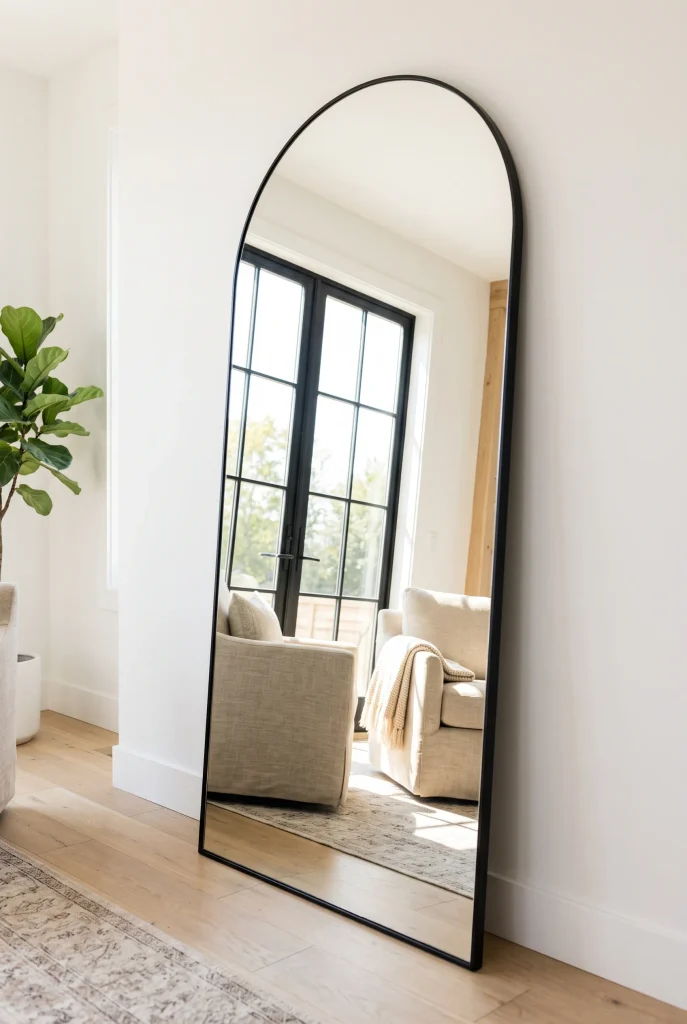
- Instantly doubles the perceived square footage of cramped or narrow living spaces effortlessly.
- Bounces precious natural daylight into dark, shadowy corners that windows cannot directly reach.
- Replaces chaotic gallery walls with a calm, singular focal point that expands visual breathing room.
- Mimics custom, built-in architectural features when leaning a large, dramatic floor-length frame.
Positioning a massive mirror strategically transforms the fundamental architecture of a room by manipulating light and expanding visual depth. Hanging small, decorative mirrors often feels cluttered and fails to reflect enough light to actually change the room’s atmosphere. By leaning one oversized, floor-to-ceiling mirror against a blank wall, you create a virtual window that dramatically opens up tight or dark spaces. That’s why many designers recommend oversized mirrors; they act as an architectural illusion, bouncing natural sunshine deep into the room and making ordinary layouts feel expansive and airy.
To maximize this expensive aesthetic, place the mirror directly opposite or adjacent to your largest window source. This precise placement captures the outdoors, reflecting greenery and sky to double the amount of natural light flooding your interior. Select simple, slim frames in matte brass or brushed black to ensure the reflection remains the true star of the arrangement. This single, high-impact addition provides the luxurious illusion of extra square footage, completely altering how spacious and bright your home feels every day.
Conclusion
You truly don’t need an unlimited budget to create a space that feels luxurious, curated, and entirely your own. I’ve seen how small changes like these can completely transform a space, proving that thoughtful details matter far more than expensive price tags. By focusing on lighting, scale, and texture, you can elevate any room with these budget home decor ideas. I hope these simple tricks inspire you to look at your home with fresh eyes and try a few updates this weekend. Don’t forget to save this post on Pinterest so you can reference these ideas whenever you’re ready for a refresh, and be sure to share it with anyone else looking to add a little affordable luxury to their home!